Discover Affordable Organic Beauty Products US
affordable organic beauty products US

Discover Affordable Organic Beauty Products US

Unlock the secret to natural beauty without breaking the bank, with top organic picks available nationwide.

Find Your Glow Now

Key Takeaways

  • ✓ The US organic beauty market is projected to grow significantly, indicating increasing consumer demand for natural ingredients.
  • ✓ Many affordable organic brands prioritize sustainable sourcing and ethical production practices.
  • ✓ Certification labels like USDA Organic or Ecocert can help consumers identify truly organic products.
  • ✓ Switching to organic beauty can reduce exposure to synthetic chemicals often found in conventional products.

How It Works

1
Identify Your Needs

Determine your skin type and specific concerns (e.g., acne, dryness, anti-aging). This helps narrow down product categories and ingredients to look for.

2
Research Affordable Brands

Explore brands known for their commitment to organic ingredients and reasonable price points. Look for transparency in ingredient lists and certifications.

3
Check Certifications & Ingredients

Prioritize products with recognized organic certifications and clean ingredient lists. Avoid common irritants or questionable synthetics, even in natural products.

4
Read Reviews and Compare

Consult customer reviews and compare products across different retailers. This helps ensure you're getting effective products that align with your budget and values.

Navigating the World of Affordable Organic Skincare in the US
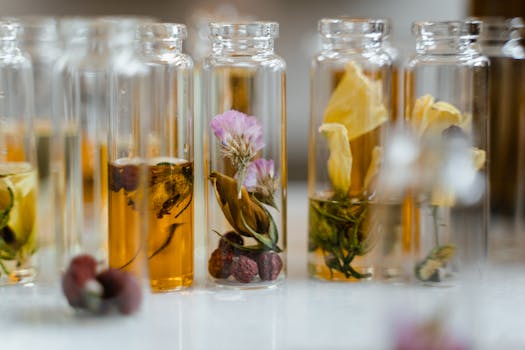
Close-up of assorted dry flowers immersed in glass vials, ideal for natural fragrance products. Photo: MART PRODUCTION / Pexels
The quest for truly effective and affordable organic beauty products in the US can feel like searching for a needle in a haystack. With a burgeoning market flooded with 'natural' and 'clean' labels, deciphering what genuinely qualifies as organic and budget-friendly requires a discerning eye. Many consumers are under the misconception that organic necessarily equates to expensive, but this is far from the truth. The reality is that numerous American brands are dedicated to providing high-quality, ethically sourced organic ingredients without the prohibitive price tag. These brands often leverage smart formulation, direct-to-consumer models, and efficient production processes to keep costs down, making organic beauty accessible to a wider audience. The key lies in understanding what to look for and where to shop. When we talk about 'organic' in beauty, we're referring to ingredients cultivated without synthetic pesticides, herbicides, or genetically modified organisms (GMOs). This commitment extends beyond just the raw materials; it often encompasses sustainable farming practices, cruelty-free testing, and eco-friendly packaging. For the budget-conscious consumer, this can present a challenge, as premium organic certifications can add to the final product cost. However, a growing number of brands are finding innovative ways to offer certified or highly organic products at competitive prices. They might focus on essential, multi-purpose ingredients, simplify their packaging, or offer larger sizes for better value. Furthermore, the definition of 'affordable' varies for everyone. For some, it might mean under $15 per product, while for others, it could extend to $30-$40 for a high-performing serum. Our focus here is on identifying brands and products that consistently deliver on their organic promise without demanding a luxury price point, ensuring that quality organic skincare is within reach for the average American consumer. This includes everything from daily cleansers and moisturizers to targeted treatments and body care. The market is dynamic, with new brands emerging regularly, so staying informed about rising stars and established value champions is crucial. Navigating ingredient lists is another vital skill. While a product might boast a few organic ingredients, true organic integrity means a significant percentage of the formula is derived from organic sources. Look for certifications like USDA Organic, Ecocert, or COSMOS Organic, which provide a stamp of authenticity. These certifications are not just marketing ploys; they involve rigorous standards and auditing processes that ensure the product meets specific organic criteria. By focusing on these indicators, consumers can confidently choose products that align with their health and environmental values without overspending. For more general insights into the beauty landscape, check out our guide on understanding beauty trends.

Top US Brands Delivering Organic Quality on a Budget
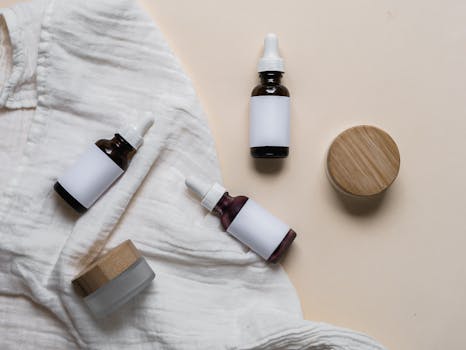
Elegant glass skincare bottles with labels on a textured fabric, perfect for cosmetic branding and product display. Photo: Polina ⠀ / Pexels
The US market is rich with brands that have successfully bridged the gap between organic integrity and affordability. One such trailblazer is Acure Organics, widely available in health food stores and major retailers like Target. Acure offers a comprehensive range of skincare and hair care products, often priced under $20, featuring USDA-certified organic ingredients or a high percentage of natural, plant-based components. Their commitment to sustainability and efficacy without the hefty price tag has made them a go-to for budget-conscious organic enthusiasts. From their brightening facial scrubs to their argan oil-based hair treatments, Acure proves that organic doesn't have to be a luxury. Another brand making waves is Andalou Naturals. While not exclusively 100% organic, Andalou Naturals emphasizes 'Fruit Stem Cell Science' and a significant proportion of certified organic ingredients in their formulations. Their products are often found in similar retail spaces as Acure, with price points that remain highly competitive, typically ranging from $15 to $25. They offer diverse lines catering to various skin concerns, from sensitive to age-defying, all while maintaining a strong commitment to non-GMO, gluten-free, and cruelty-free practices. Their transparency about ingredient sourcing and their dedication to environmental stewardship further solidify their position as an affordable organic option. For those seeking even more accessible options, brands like Everyday Minerals offer organic and natural makeup products that are both high-performing and wallet-friendly. Their mineral foundations, blushes, and eye shadows are formulated with minimal ingredients, often including organic botanicals, and are free from common irritants. Their direct-to-consumer model often allows them to offer these products at a fraction of the cost of conventional prestige makeup brands, typically between $10 and $20 per item. This makes it possible to build a full organic makeup routine without a significant financial outlay. Furthermore, smaller, independent brands found on platforms like Etsy or at local farmers' markets are often a goldmine for truly affordable organic finds. These artisans frequently use locally sourced, organic ingredients, and their lower overheads mean they can offer products like organic soaps, balms, and facial oils at incredibly competitive prices. While they might not carry broad certifications, their transparency and direct communication with customers often provide a high level of trust and insight into their ingredient sourcing and production methods. Exploring these local options can not only save money but also support small businesses and local economies, adding another layer of ethical consumption to your beauty routine.

Smart Shopping Strategies for Budget Organic Beauty Enthusiasts

A minimalist image featuring a shopping cart with cosmetics and a white paper bag, ideal for Black Friday promotions. Photo: www.kaboompics.com / Pexels
Finding affordable organic beauty products in the US isn't just about knowing which brands to look for; it's also about employing smart shopping strategies. One of the most effective tactics is to buy in bulk or opt for larger sizes when available. Many organic brands offer economy-sized versions of popular products like body lotions, shampoos, and conditioners, which significantly reduce the cost per ounce. While the initial outlay might be slightly higher, the long-term savings are substantial. Keep an eye out for these options at health food stores, online retailers, and even some mainstream supermarkets that are expanding their organic sections. Another crucial strategy is to utilize sales, discounts, and loyalty programs. Many organic beauty retailers, both online and brick-and-mortar, frequently run promotions. Signing up for newsletters from your favorite brands or stores can alert you to upcoming sales, exclusive discounts, and even free shipping offers. Loyalty programs can also accumulate points that translate into discounts on future purchases. Platforms like Thrive Market, for instance, offer a membership model that provides significant discounts on organic and natural products, often including beauty items, making it a valuable resource for consistent savings. Similarly, online aggregators and marketplaces sometimes have flash sales or bundle deals that can make premium organic products more accessible. Considering multi-purpose products is another excellent way to save money and reduce clutter. An organic argan oil, for example, can serve as a facial moisturizer, hair serum, body oil, and even a cuticle treatment. Similarly, castile soap, when organic, can be diluted for use as a body wash, shampoo, household cleaner, and more. Investing in versatile products means you buy fewer items overall, leading to considerable savings. This approach also aligns with a minimalist beauty philosophy, reducing consumption and waste. Furthermore, don't overlook private label organic brands offered by retailers. Stores like Trader Joe's, Whole Foods (with their 365 Everyday Value line), and even some larger chains are developing their own lines of organic skincare and personal care items. These products often meet high organic standards but are priced more competitively due to streamlined supply chains and direct distribution. While they might not always carry the same extensive certifications as independent brands, they often provide excellent value for everyday organic essentials. Always check the ingredient list and any available certifications to ensure they meet your organic criteria. For additional advice on making informed choices, explore our guide on understanding product labels.

DIY Organic Beauty Hacks and Common Mistakes to Avoid
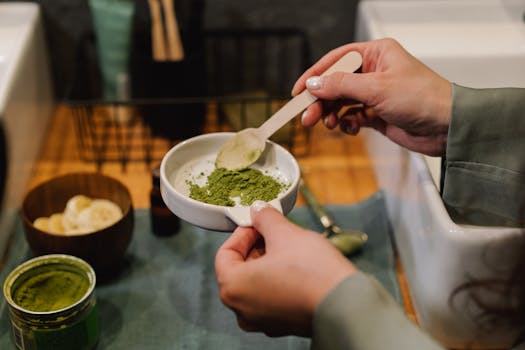
Close-up of hands blending green powder for beauty treatment in a home setting. Photo: Mikhail Nilov / Pexels
Venturing into the world of affordable organic beauty products in the US doesn't always mean buying off the shelf. Embracing DIY organic beauty can be an incredibly cost-effective and empowering way to control exactly what goes onto your skin. Simple ingredients found in your kitchen or local health store can be transformed into potent, natural remedies. For instance, organic apple cider vinegar, diluted with water, makes an excellent toner that helps balance skin pH and fight acne. Organic honey can be used as a gentle cleanser or a hydrating face mask, while organic oats, ground into a fine powder, create a soothing exfoliator suitable for even sensitive skin. **Here are some popular DIY organic beauty hacks:** * **Hydrating Face Mask:** Mix organic avocado with a spoonful of organic honey for a deeply moisturizing treatment. * **Brightening Scrub:** Combine organic coffee grounds with organic coconut oil for an invigorating body scrub that helps with circulation. * **Hair Rinse:** Use diluted organic apple cider vinegar as a final rinse to add shine and remove product buildup. * **Simple Moisturizer:** Pure organic jojoba oil closely mimics skin's natural sebum and is excellent for all skin types. * **Soothing Balm:** Melt organic shea butter with a few drops of organic lavender essential oil for a calming and nourishing balm. However, it's crucial to be aware of common mistakes when exploring affordable organic beauty, especially with DIY or lesser-known brands. **Common Mistakes to Avoid:** 1. **Falling for Greenwashing:** Many brands use terms like 'natural,' 'clean,' or 'eco-friendly' without actually being certified organic or using a significant percentage of organic ingredients. Always scrutinize ingredient lists and look for reputable certifications. 2. **Ignoring Expiration Dates:** Organic products, especially those with fewer preservatives, often have shorter shelf lives. Pay attention to 'period after opening' (PAO) symbols and discard products past their prime to avoid bacterial contamination or reduced efficacy. 3. **Overlooking Ingredient Quality:** Not all 'natural' ingredients are created equal. Ensure that even non-organic components are ethically sourced and high-quality. Some natural ingredients can still cause irritation if not properly processed or if you have sensitivities. 4. **Skipping Patch Tests:** Even organic ingredients can cause allergic reactions. Always perform a patch test on a small area of skin before applying a new product or DIY concoction to your entire face or body. 5. **Believing 'More Expensive Equals Better':** While some high-end organic products are fantastic, their price often reflects branding, packaging, or marketing rather than superior ingredients or efficacy. Many affordable options deliver comparable or even better results. 6. **Neglecting Storage:** Organic products, particularly those with delicate natural oils, can degrade quickly if exposed to heat, light, or air. Store them in cool, dark places and ensure lids are tightly sealed to preserve their potency and extend their shelf life.

Comparison

FeatureBest Option (Acure Organics)Alternative 1 (Andalou Naturals)Alternative 2 (Everyday Minerals)
Average Price Range (USD)$10-$20$15-$25$10-$20
Primary Product FocusSkincare & HaircareSkincare & Body CareMineral Makeup
Organic Certification LevelHigh (USDA, Ecocert)Moderate (Key ingredients)Moderate (Botanicals)
Availability (US)✓ (Target, Whole Foods, etc.)✓ (Target, Whole Foods, etc.)✓ (Online, select boutiques)
Cruelty-Free
Vegan OptionsExtensiveManyMany
Packaging SustainabilityGood (Recyclable)Good (Recyclable)Good (Minimal, recyclable)

What Readers Say

"I've struggled to find truly affordable organic beauty products in the US that actually work for my sensitive skin. Acure's Radically Rejuvenating Cleansing Cream is a game-changer – gentle, effective, and less than $10!"

Sarah J. · Austin, TX

"Andalou Naturals' 1000 Roses line has transformed my dry skin. It's organic, smells amazing, and I can pick it up at my local grocery store without feeling like I'm splurging. Highly recommend their day cream."

Mark D. · Portland, OR

"Switching to Everyday Minerals foundation was the best decision for my acne-prone skin. It's lightweight, offers great coverage, and it's organic – plus, it cleared up my breakouts within a month!"

Jessica L. · Miami, FL

"While I love the quality of many affordable organic beauty products in the US, sometimes finding certified options under $15 can be tough. Still, brands like Acure and Andalou offer fantastic value and performance."

Emily R. · Denver, CO

"My wife introduced me to organic skincare from Trader Joe's, and their tea tree oil face wash is incredible. It's incredibly cheap, smells fresh, and keeps my skin clear. Who knew organic could be so accessible?"

David S. · Chicago, IL

Frequently Asked Questions

What does 'organic' truly mean in beauty products available in the US?

In the US, 'organic' in beauty products generally means that agricultural ingredients were grown and processed without synthetic pesticides, GMOs, or petroleum-based fertilizers. For a product to be labeled 'USDA Organic', it must contain at least 95% organically produced ingredients (excluding water and salt) and be certified by a USDA-accredited agent. Other certifications like Ecocert also ensure a high percentage of natural and organic components.

Are affordable organic beauty products less effective than expensive ones?

Not necessarily. The effectiveness of a product depends more on its formulation, ingredient quality, and suitability for your skin type than its price tag. Many affordable organic brands prioritize effective, high-quality organic ingredients and streamline their operations to keep costs down, proving that efficacy doesn't have to come with a premium price.

How can I identify truly organic products when shopping in the US?

Look for reputable third-party certifications like the USDA Organic seal, Ecocert, or COSMOS Organic. These seals indicate that the product has undergone rigorous testing and meets specific organic standards. Also, scrutinize the ingredient list; 'organic' should be clearly stated next to the ingredients, and a higher percentage of organic ingredients is always better.

Is it worth switching to affordable organic beauty products for my budget?

Absolutely. Switching to affordable organic beauty products can be a smart financial decision in the long run. Not only do you often get products free from harsh chemicals and artificial fragrances, but many brands offer great value through multi-purpose products or larger sizes, reducing your overall spending on various beauty items while promoting healthier skin.

How do organic beauty products compare to 'natural' or 'clean' beauty?

Organic beauty has stricter standards and often requires third-party certification, meaning ingredients are grown without synthetic pesticides or GMOs. 'Natural' is a less regulated term, implying ingredients from natural sources but without specific organic farming requirements. 'Clean beauty' is an industry-defined term focusing on avoiding certain 'toxic' ingredients, but its definition varies widely by brand and lacks universal certification, making organic the most stringent category.

Who should use affordable organic beauty products US?

Anyone looking to reduce their exposure to synthetic chemicals, support sustainable practices, and achieve healthy skin and hair without breaking the bank can benefit. They are particularly suitable for individuals with sensitive skin, allergies, or those committed to an eco-conscious lifestyle seeking effective, budget-friendly solutions.

Are there any risks associated with using affordable organic beauty products?

While generally safer due to fewer synthetic chemicals, risks are minimal but include potential allergic reactions to natural ingredients (e.g., essential oils), shorter shelf lives requiring proper storage, and the need to verify 'organic' claims to avoid greenwashing. Always patch test new products and check expiration dates.

What are the future trends for affordable organic beauty products in the US?

Future trends point towards greater transparency in sourcing, increased availability in mainstream retail, innovative sustainable packaging solutions, and a focus on highly effective, multi-tasking formulas. Expect more brands to offer refillable options and to leverage upcycled ingredients, making organic beauty even more accessible and environmentally friendly.

Embrace a healthier, more sustainable beauty routine today. With the abundance of affordable organic beauty products in the US, achieving your skin and hair goals without compromising your budget or values has never been easier. Start exploring these amazing options and discover your natural glow!

Topics: affordable organic beauty products USbudget natural skincareeco-friendly makeup USAclean beauty on a budgetorganic personal care US
Leo List
Brampton weed
Adultwork EstrelaBet Vai de Bet R7 Bet Betão Galera Bet Rainbet Bet9ja Shop SportyBet BetKing Sisal Loto Foot Hollywoodbets YesPlay Odibets RushBet Jugabet BetWarrior BetCity MSport betPawa Fortebet