Unlock Radiant Skin: The Benefits of Vitamin C Serum for Face
benefits of vitamin C serum for face

Unlock Radiant Skin: The Benefits of Vitamin C Serum for Face

Transform your complexion with this powerful antioxidant, revealing brighter, firmer, and more youthful-looking skin.

Reveal Your Glow

Key Takeaways

  • ✓ Vitamin C is a potent antioxidant that protects skin from free radical damage.
  • ✓ It is essential for collagen synthesis, which maintains skin elasticity and firmness.
  • ✓ Vitamin C serum helps to brighten skin tone and reduce hyperpigmentation.
  • ✓ It can improve skin texture, reducing the appearance of fine lines and wrinkles.

How It Works

1
Neutralizes Free Radicals

Vitamin C, specifically L-Ascorbic Acid, acts as a powerful antioxidant. It scavenges harmful free radicals generated by UV radiation and pollution, preventing cellular damage.

2
Boosts Collagen Production

It plays a crucial role in the synthesis of new collagen, the protein responsible for skin's structure and elasticity. This helps to reduce wrinkles and improve skin firmness over time.

3
Brightens and Evens Tone

Vitamin C inhibits tyrosinase, an enzyme necessary for melanin production. This action helps to fade dark spots, hyperpigmentation, and promotes a more even, luminous complexion.

4
Enhances Skin Repair

By strengthening the skin's barrier function and promoting wound healing, vitamin C helps the skin recover from environmental stressors. It supports overall skin health and resilience.

The Science Behind Vitamin C: A Potent Antioxidant Powerhouse
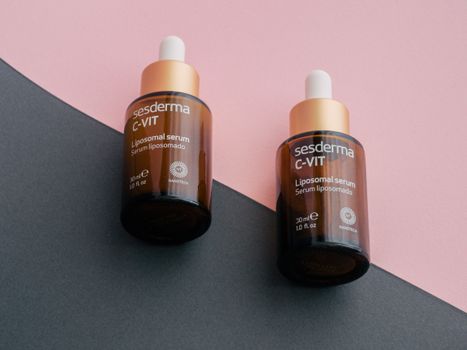
Two dropper bottles of Sesderma C-Vit liposomal serum on a pink and gray background. Photo: by Natallia / Pexels
Vitamin C, scientifically known as L-Ascorbic Acid, is far more than just a nutrient essential for overall health; it's a skincare superstar with scientifically proven benefits for the face. As a potent antioxidant, its primary role in skin health is to combat oxidative stress caused by free radicals. These unstable molecules are generated by various environmental aggressors, including ultraviolet (UV) radiation from the sun, pollution, and even stress. When free radicals accumulate, they can damage skin cells, leading to premature aging, inflammation, and a dull complexion. Vitamin C neutralizes these free radicals, effectively safeguarding your skin from their detrimental effects. This protective action is crucial, as it helps to prevent the breakdown of collagen and elastin, two vital proteins that maintain the skin's structure and elasticity. Without adequate antioxidant protection, your skin is more susceptible to photoaging, characterized by fine lines, wrinkles, and hyperpigmentation. Beyond its antioxidant prowess, vitamin C is indispensable for the body's natural collagen synthesis. Collagen is the most abundant protein in the skin, providing its firmness and resilience. As we age, our natural collagen production declines, leading to sagging skin and the formation of wrinkles. Topical application of vitamin C serum stimulates fibroblasts, the cells responsible for producing collagen, effectively boosting the skin's ability to repair itself and maintain a youthful appearance. This makes vitamin C serum a cornerstone ingredient in any anti-aging skincare regimen. Furthermore, vitamin C aids in skin repair and regeneration, helping to heal minor wounds and reduce inflammation. It strengthens the skin's barrier function, making it more resilient against external irritants and improving overall skin health. The stability of vitamin C in a serum formulation is key; many advanced serums use stabilized forms or combinations with other antioxidants like Vitamin E or Ferulic Acid to enhance its efficacy and prevent degradation. This ensures that the active ingredient remains potent and delivers maximum benefits to your skin. Understanding this fundamental science reveals why incorporating vitamin C serum into your daily routine is not just a trend, but a strategic investment in long-term skin health and radiance. For more on essential skincare ingredients, check out our guide on anti-aging skincare ingredients.

Brightening Your Complexion and Fading Hyperpigmentation

A woman with eyes closed enjoying skincare routine with under eye masks and towel wrap. Photo: Yan Krukau / Pexels
One of the most sought-after benefits of vitamin C serum for face is its remarkable ability to brighten the complexion and address issues of uneven skin tone and hyperpigmentation. If you struggle with dark spots, sun spots, age spots, or post-inflammatory hyperpigmentation (PIH) from acne scars, vitamin C serum can be a game-changer. The mechanism behind this brightening effect lies in its ability to interfere with melanin production. Melanin is the pigment responsible for skin color, and overproduction or uneven distribution of melanin leads to dark spots and an overall dull appearance. Vitamin C, particularly L-Ascorbic Acid, inhibits the activity of tyrosinase, an enzyme critical for the synthesis of melanin. By slowing down this process, vitamin C helps to prevent new dark spots from forming and gradually fades existing ones, leading to a more uniform and luminous skin tone. Consistent use of a high-quality vitamin C serum can significantly reduce the visibility of these pigmented areas, revealing a clearer and more radiant complexion. Unlike harsh exfoliants that can sometimes irritate sensitive skin, vitamin C offers a gentler yet highly effective approach to brightening. It works synergistically with your skin's natural processes, rather than stripping away layers. This makes it suitable for many skin types, though those with very sensitive skin should start with lower concentrations. Beyond treating existing hyperpigmentation, vitamin C also contributes to an overall glow by improving skin texture and boosting circulation. A healthier, more vibrant complexion naturally reflects light better, creating that coveted 'lit-from-within' radiance. For individuals looking to achieve a brighter, more even skin tone without resorting to more aggressive treatments, vitamin C serum presents an excellent, scientifically-backed solution. Its ability to lighten dark spots and improve overall skin clarity makes it an indispensable tool for anyone seeking a flawless and luminous complexion, irrespective of their skin type or age. The visible results often include a reduction in dullness and a noticeable improvement in skin luminosity, making your skin look healthier and more youthful.

Anti-Aging Marvel: Reducing Fine Lines and Boosting Collagen

Two senior women engaging in a joyful self-care routine with beauty products and laughter. Photo: Anastasia Shuraeva / Pexels
The anti-aging benefits of vitamin C serum for face are extensive and well-documented, making it a cornerstone ingredient in any effective regimen targeting youthful skin. As we age, our skin's natural collagen production declines, leading to the formation of fine lines, wrinkles, and a loss of firmness. Collagen, a fibrous protein, provides the structural support that keeps our skin plump and smooth. Without adequate collagen, skin begins to sag and lose its youthful resilience. This is where vitamin C steps in as a true anti-aging marvel. It is a critical cofactor in the enzymatic processes involved in collagen synthesis. Specifically, it helps stabilize the collagen molecules and promotes the cross-linking of collagen fibers, which is essential for strong, healthy skin tissue. By stimulating the production of new collagen, vitamin C serum works to plump up the skin from within, effectively reducing the depth and appearance of existing fine lines and wrinkles. Moreover, the protective antioxidant properties of vitamin C also play a vital role in its anti-aging prowess. Free radicals, generated by UV exposure and environmental pollution, can degrade existing collagen and elastin, accelerating the aging process. By neutralizing these damaging free radicals, vitamin C helps to preserve the integrity of your skin's structural proteins, thereby preventing premature aging. This dual action – both stimulating new collagen production and protecting existing collagen – makes vitamin C serum exceptionally effective in maintaining skin elasticity and firmness. Regular application can lead to a noticeable improvement in skin texture, a reduction in the visible signs of aging, and a more youthful, resilient complexion. It's not just about treating existing damage; it's also about preventing future damage, making it a proactive and reactive solution for age management. For further reading on maintaining youthful skin, explore our insights on effective anti-aging strategies. This comprehensive approach to skin health ensures that your complexion not only looks younger but also functions healthier for longer, resisting the daily onslaught of environmental stressors.

Maximizing Your Results: Tips for Using Vitamin C Serum
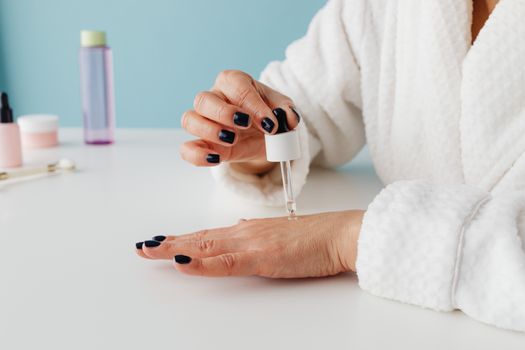
Close-up of a woman in a bathrobe using a dropper to apply serum to her hand, showcasing skincare routine. Photo: www.kaboompics.com / Pexels
To truly unlock the full benefits of vitamin C serum for face, proper application and product selection are crucial. First and foremost, choose a stable formulation. L-Ascorbic Acid, the purest form of vitamin C, is highly effective but also highly unstable, meaning it can degrade rapidly when exposed to light, air, or heat. Look for serums packaged in dark, opaque bottles, preferably with an airtight pump or dropper, to protect the active ingredient. Ingredients like Ferulic Acid and Vitamin E often stabilize Vitamin C and enhance its antioxidant power. Next, consider the concentration; for beginners, a 10-15% concentration is ideal, gradually increasing to 20% if your skin tolerates it well. Higher concentrations aren't always better and can sometimes cause irritation, especially for sensitive skin types. **Application Tips:** * **Cleanse First:** Always apply vitamin C serum to clean, dry skin. This ensures maximum absorption. * **Morning Routine:** While it can be used at night, applying it in the morning offers superior antioxidant protection against daily environmental aggressors. * **Layering:** Apply your vitamin C serum after cleansing and toning, but before heavier creams, moisturizers, or sunscreen. Serums are generally lighter and should be applied closer to the skin. * **Sunscreen is Non-Negotiable:** Vitamin C boosts your skin's natural defense against UV damage, but it is NOT a substitute for sunscreen. Always follow with a broad-spectrum SPF 30 or higher. * **Patch Test:** Before applying to your entire face, do a patch test on a small, inconspicuous area to check for any adverse reactions. * **Consistency is Key:** Like any skincare product, visible results take time. Consistent daily use (or every other day, if sensitive) for several weeks to months is necessary to see significant improvements. * **Storage:** Store your serum in a cool, dark place, away from direct sunlight, to maintain its potency. If the serum turns dark orange or brown, it has likely oxidized and should be discarded. **Common Mistakes to Avoid:** * **Using Oxidized Serum:** An oxidized serum is ineffective and can even cause skin irritation. Discard if it changes color or smell. * **Over-Exfoliating:** Combining vitamin C with strong exfoliants like AHAs/BHAs or retinoids without proper spacing can lead to irritation. If using both, apply them at different times of the day or on alternate days. * **Not Using Sunscreen:** Neglecting sunscreen undoes all the protective benefits of vitamin C and can exacerbate sun damage. * **Impatience:** Don't expect overnight miracles. Skin cell turnover takes time, and consistent use is vital for noticeable improvements. Adhering to these guidelines will help you harness the full potential of your vitamin C serum, leading to healthier, more radiant skin.

Comparison

FeatureVitamin C Serum (L-Ascorbic Acid)Niacinamide SerumHyaluronic Acid Serum
Primary BenefitAntioxidant, Brightening, Collagen BoostPore Refining, Barrier Repair, Anti-inflammatoryHydration, Plumping
Anti-Aging✓ (Collagen, Wrinkles)✓ (Elasticity, Fine Lines)✓ (Plumps, Reduces Lines)
Skin Brightening✓ (Fades dark spots)✓ (Evens tone)
Texture Improvement✓ (Smoothness)
Best Application TimeMorning (for protection)Morning or NightMorning or Night

What Readers Say

"I've been using a vitamin C serum for my face for about three months, and the benefits are incredible. My skin looks so much brighter and the dark spots from old acne have significantly faded. It truly gives me a healthy glow."

Sarah J. · Austin, TX

"As someone concerned with sun damage, the protective benefits of vitamin C serum for face were a huge draw. I've noticed my skin feels firmer and looks more even-toned, even after spending time outdoors. It's a daily essential."

David R. · Miami, FL

"My fine lines around my eyes and mouth have visibly softened since I started incorporating vitamin C serum into my routine. I wasn't expecting such dramatic anti-aging benefits, but my skin genuinely looks years younger and feels incredibly smooth."

Emily P. · Los Angeles, CA

"This serum has definitely helped with my dull complexion and a few persistent sunspots. While it took a bit longer than I expected to see results, the improvement in overall skin radiance is undeniable. I just wish it absorbed a little faster."

Michael T. · Chicago, IL

"After struggling with post-inflammatory hyperpigmentation for years, the benefits of vitamin C serum for face have been a miracle. My complexion is finally clear and bright, and I feel confident going without makeup. It's truly transformative."

Jessica L. · New York, NY

Frequently Asked Questions

What are the primary benefits of vitamin C serum for face?

The primary benefits include potent antioxidant protection against environmental damage, stimulation of collagen production for firmer skin, significant brightening of the complexion by fading dark spots and hyperpigmentation, and overall improvement in skin texture and radiance. It helps combat signs of aging and promotes a healthy glow.

Can vitamin C serum irritate sensitive skin?

While generally well-tolerated, vitamin C serum can sometimes cause mild irritation, redness, or tingling, especially in higher concentrations or for very sensitive skin types. It's advisable to start with a lower concentration (e.g., 10%) and perform a patch test before full facial application to assess your skin's reaction.

How often should I use vitamin C serum on my face?

Most experts recommend applying vitamin C serum once daily, typically in the morning. This allows it to provide antioxidant protection throughout the day. Apply it after cleansing and toning, but before moisturizer and sunscreen. Consistency is more important than frequency for optimal results.

Is a more expensive vitamin C serum always better?

Not necessarily. While some premium serums offer advanced formulations, stable vitamin C derivatives, and synergistic ingredients, a higher price doesn't guarantee superior efficacy. Focus on key factors like the form of vitamin C (L-Ascorbic Acid is potent), concentration (10-20% is effective), packaging (dark, airtight), and the presence of stabilizers like Vitamin E and Ferulic Acid. Many affordable options deliver excellent benefits.

How does vitamin C serum compare to retinol for anti-aging?

Vitamin C serum and retinol are both powerful anti-aging ingredients but work through different mechanisms. Vitamin C primarily acts as an antioxidant and collagen booster, brightening skin and protecting from free radicals. Retinol, a derivative of Vitamin A, accelerates cell turnover and boosts collagen production, effectively reducing wrinkles and improving skin texture. They can be complementary; many dermatologists recommend using vitamin C in the morning and retinol at night for comprehensive anti-aging benefits.

Who should use vitamin C serum for face?

Vitamin C serum is beneficial for almost anyone looking to improve their skin's health and appearance. It's particularly recommended for individuals concerned with uneven skin tone, dark spots, dullness, fine lines, wrinkles, and those seeking antioxidant protection against environmental damage. It's a versatile ingredient suitable for most skin types, including mature, sun-damaged, and acne-prone skin.

Are there any ingredients I shouldn't mix with vitamin C serum?

While many ingredients combine well with vitamin C, caution should be exercised with certain strong actives. High concentrations of AHAs/BHAs (like glycolic or salicylic acid) and retinoids, if used simultaneously, can potentially lower vitamin C's pH or cause irritation. It's often recommended to use them at different times of the day (e.g., vitamin C in the morning, retinol at night) or on alternate days to avoid potential conflicts and maintain ingredient stability.

What are the latest innovations in vitamin C serum formulations?

Recent innovations focus on enhanced stability and penetration. This includes using encapsulated vitamin C, developing novel, more stable derivatives (like Tetrahexyldecyl Ascorbate), and combining it with other antioxidants such as Ferulic Acid and Vitamin E to create synergistic effects that boost efficacy and photoprotection. Some formulations also incorporate timed-release technology to deliver sustained benefits throughout the day.

Embrace the transformative power of vitamin C serum for face and witness your skin evolve. From unparalleled antioxidant protection to radiant brightening and robust anti-aging, the benefits are clear. Make this skincare staple a cornerstone of your daily routine and reveal the luminous, healthy complexion you deserve.

Topics: benefits of vitamin C serum for facevitamin C serum anti-agingbrightening skin serumcollagen boost serumantioxidant serum for skin
Leo List
Brampton weed
Adultwork