Unveiling the Best Anti-Aging Serum for Sensitive Skin
best anti-aging serum for sensitive skin

Unveiling the Best Anti-Aging Serum for Sensitive Skin

Achieve a youthful glow and diminish signs of aging without irritation, even for the most delicate complexions.

Find Your Perfect Serum

Key Takeaways

  • ✓ Sensitive skin requires anti-aging serums free from common irritants like fragrance and harsh alcohols.
  • ✓ Key ingredients for sensitive, aging skin include hyaluronic acid, ceramides, peptides, and bakuchiol.
  • ✓ Patch testing new products is crucial to prevent adverse reactions.
  • ✓ Consistency in a gentle skincare routine amplifies the benefits of anti-aging serums.

How It Works

1
Identify Your Skin's Triggers

Understand what ingredients or environmental factors typically cause your sensitive skin to react. This knowledge is your first line of defense in selecting a compatible serum.

2
Prioritize Gentle Formulations

Look for serums specifically labeled 'hypoallergenic,' 'fragrance-free,' and 'dermatologist-tested.' These indicators suggest a formulation designed to minimize irritation.

3
Introduce Gradually & Patch Test

Start by applying a new anti-aging serum every other day, and always perform a patch test on a small, inconspicuous area first. This helps your skin adjust and alerts you to potential sensitivities.

4
Layer Correctly for Efficacy

Apply your anti-aging serum after cleansing and toning, but before heavier moisturizers. This ensures optimal absorption of the active ingredients, maximizing their benefits.

Understanding Sensitive Skin and the Aging Process

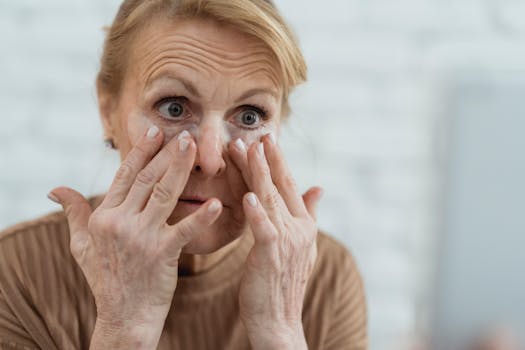
Detailed black and white portrait capturing the wisdom of an elderly woman's face. Photo: Benan Sude / Pexels
For many, the quest for youthful skin is often complicated by the unique challenges of sensitive skin. Redness, itching, stinging, and breakouts are common reactions to products that might work wonders for others. When you add the complexities of anti-aging, the search for the perfect serum can feel like navigating a minefield. Sensitive skin is characterized by a compromised skin barrier, making it more permeable and susceptible to irritants. This means that while traditional anti-aging ingredients like retinoids or alpha hydroxy acids (AHAs) are highly effective at stimulating cell turnover and collagen production, they can also be too aggressive for delicate complexions, leading to inflammation and further irritation. The aging process itself brings new sensitivities. As we age, our skin naturally becomes thinner, drier, and less resilient. Collagen and elastin production decrease, leading to fine lines, wrinkles, and a loss of firmness. The skin's natural healing capabilities also slow down, meaning it takes longer to recover from damage or irritation. This combination of inherent sensitivity and age-related changes necessitates a highly specialized approach to anti-aging skincare. It's not just about finding powerful ingredients; it's about finding powerful ingredients delivered in a gentle, supportive matrix that respects the skin's delicate balance. Many conventional anti-aging serums contain common irritants such as synthetic fragrances, dyes, essential oils, alcohol, and certain preservatives. While these might be fine for resilient skin types, they can trigger a cascade of adverse reactions in sensitive skin, exacerbating existing conditions or creating new ones. The goal for someone with sensitive skin is to find formulations that actively avoid these known culprits while still delivering potent anti-aging benefits. This often means looking for products that are hypoallergenic, non-comedogenic, and rigorously tested by dermatologists. The market has responded to this need, and fortunately, there are now numerous sophisticated options designed to provide effective anti-aging solutions without compromising skin comfort. Understanding the delicate interplay between aging and sensitivity is the first step toward choosing the right anti-aging products that will truly make a difference without causing distress. It's a journey of careful selection, informed choices, and patient observation to find what truly works for your unique skin needs.

Key Ingredients for Anti-Aging Serums on Sensitive Skin

Flat lay of skincare essentials with cotton pads and cotton swabs on a white background. Photo: ROMAN ODINTSOV / Pexels
When selecting an anti-aging serum for sensitive skin, the ingredient list is your most valuable guide. Rather than avoiding all active ingredients, the focus shifts to identifying those that deliver anti-aging benefits with a low risk of irritation. Several key players stand out for their efficacy and gentle nature. First and foremost is Hyaluronic Acid (HA). While not directly an anti-aging 'active' in the traditional sense, HA is a powerful humectant that draws moisture from the environment into the skin, plumping it up and reducing the appearance of fine lines and wrinkles caused by dehydration. Its ability to hold up to 1,000 times its weight in water makes it an indispensable ingredient for sensitive skin, as it also helps to fortify the skin's barrier function, making it less reactive. Peptides are another excellent choice. These are short chains of amino acids that act as building blocks for proteins like collagen and elastin. Different types of peptides can signal the skin to produce more collagen, improve firmness, or even relax muscle contractions to reduce expression lines. Because they work by communicating with skin cells rather than exfoliating or stimulating aggressively, they are generally very well-tolerated by sensitive skin types. Ceramides are lipids that are naturally found in high concentrations in the uppermost layers of the skin. They are crucial for maintaining a healthy skin barrier, preventing moisture loss, and protecting against environmental aggressors. Serums rich in ceramides can help repair a compromised barrier, reducing sensitivity and enhancing the skin's overall resilience, which is particularly beneficial as skin ages and its natural ceramide levels decline. For those seeking a retinoid alternative, Bakuchiol has emerged as a game-changer. Derived from the Psoralea corylifolia plant, bakuchiol offers similar anti-aging benefits to retinol—such as reducing fine lines, wrinkles, and improving skin elasticity—but without the common irritation, redness, and photosensitivity associated with traditional retinoids. It's a powerful antioxidant and anti-inflammatory ingredient, making it ideal for sensitive skin that still wants to address signs of aging. Niacinamide, a form of Vitamin B3, is a multi-tasking powerhouse. It helps to improve skin elasticity, reduce the appearance of fine lines, minimize pore size, and even out skin tone. Crucially for sensitive skin, niacinamide also strengthens the skin barrier, reduces inflammation, and calms redness. It's an incredibly versatile ingredient that supports overall skin health while delivering noticeable anti-aging results. When combined, these ingredients form the backbone of an effective yet gentle anti-aging strategy for sensitive skin, providing comprehensive care without the unwanted side effects.

Formulation Matters: What to Look For (and Avoid)

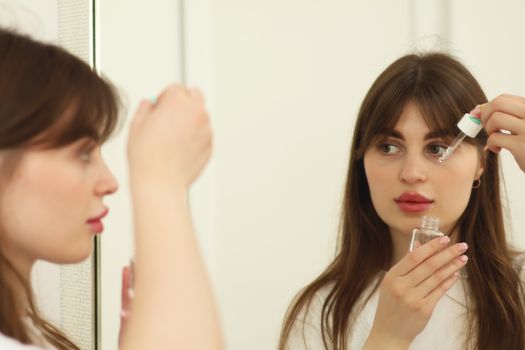
A young woman applying skincare serum in front of a mirror indoors. Perfect for beauty and self-care themes. Photo: Anna Keibalo / Pexels
Beyond individual ingredients, the overall formulation of an anti-aging serum is paramount for sensitive skin. A product might boast beneficial actives, but if it's laden with irritants, it's counterproductive. Therefore, becoming an expert label reader is essential. Start by scrutinizing the 'free-from' claims, but don't stop there, as marketing can sometimes be misleading. Look for explicit statements that indicate the product has been designed with sensitivity in mind. First, prioritize serums labeled 'fragrance-free' or 'parfum-free.' This is crucial, as both natural and synthetic fragrances are among the most common culprits for allergic reactions and irritation in sensitive skin. Even products claiming to use 'natural fragrances' can be problematic. Similarly, avoid essential oils, which, despite their natural origin, are potent compounds that can cause significant irritation for delicate complexions. Next, check for alcohol content. While not all alcohols are bad (fatty alcohols like cetyl alcohol are beneficial emollients), denatured alcohol or ethanol, often listed as 'alcohol denat.' or 'SD alcohol,' can be extremely drying and irritating, stripping the skin's natural barrier. These should be avoided in anti-aging serums for sensitive skin. Dyes and synthetic colorants are another unnecessary addition that can trigger sensitivity. They offer no skincare benefits and only serve an aesthetic purpose, making them easy to eliminate from your sensitive skin anti-aging regimen. Also, be wary of harsh preservatives like parabens or formaldehyde-releasing agents if you have known sensitivities to them. While many preservatives are safe and necessary to prevent bacterial growth, some individuals react to specific types. Opt for brands that use milder, broad-spectrum preservative systems. Look for serums that are 'hypoallergenic' and 'non-comedogenic.' Hypoallergenic means the product is formulated to minimize the risk of allergic reactions, though it's not a guarantee. Non-comedogenic indicates it won't clog pores, which is important for sensitive skin that can also be prone to breakouts. Products that have undergone 'dermatologist-testing' or are 'clinically proven for sensitive skin' also offer an additional layer of assurance. These claims suggest the product has been vetted for its compatibility with reactive skin types. Always remember that less is often more when it comes to sensitive skin. A serum with a shorter, more transparent ingredient list, focusing on proven gentle actives and minimal potential irritants, is usually a safer bet for achieving effective anti-aging results without discomfort. For more insights on general skincare, explore our comprehensive guide to beauty.

Applying and Integrating Your Serum: Tips for Best Results

Integrating a new anti-aging serum into a sensitive skin routine requires a methodical approach to ensure both efficacy and comfort. The goal is to maximize the benefits of the serum while minimizing any potential for irritation. Here’s how to do it right: **1. Patch Testing is Non-Negotiable:** Before applying any new product to your entire face, always perform a patch test. Apply a small amount of the serum to an inconspicuous area, such as behind your ear or on a small patch of skin on your neck or inner forearm. Observe the area for 24-48 hours for any signs of redness, itching, stinging, or swelling. If no reaction occurs, proceed with caution. **2. Introduce Gradually:** Don't jump straight into daily use. Start by applying the serum every other day, or even just 2-3 times a week, for the first two weeks. This allows your skin to gradually acclimate to the new ingredients. If your skin tolerates it well, you can then slowly increase the frequency to daily use, or as directed by the product instructions. **3. Application Order Matters:** Serums are generally applied after cleansing and toning, but before heavier creams or oils. This ensures that the active ingredients in the serum can penetrate the skin effectively without being hindered by thicker barriers. Dispense 2-3 drops into your palm, gently warm it between your hands, and then lightly press or pat it onto your face and neck. Avoid rubbing aggressively, which can irritate sensitive skin. **4. Less is More:** With potent anti-aging serums, a small amount is often sufficient. Using too much product won't necessarily yield faster or better results and can sometimes lead to increased irritation, especially for sensitive skin. Follow the product’s specific usage recommendations. **5. Be Patient and Consistent:** Skincare results, particularly anti-aging ones, don't happen overnight. It takes time for skin cells to renew and for ingredients to make a noticeable difference. Consistent use over several weeks or months is key to seeing the full benefits of your anti-aging serum. Erratic application can hinder progress and make it harder to assess the product’s effectiveness. **6. Complement with a Gentle Routine:** Your anti-aging serum will work best within a supportive skincare framework. Use a mild, hydrating cleanser, a non-irritating moisturizer, and always finish with a broad-spectrum sunscreen with SPF 30 or higher, especially if your serum contains any ingredients that might increase sun sensitivity (like bakuchiol, though less so than traditional retinoids). Sun protection is the ultimate anti-aging step for all skin types, but particularly crucial for sensitive skin. **7. Listen to Your Skin:** Pay close attention to how your skin responds. If you experience persistent redness, stinging, peeling, or discomfort, scale back the frequency of use or discontinue the product. Your skin's comfort and health should always be the priority. Adjust your routine as needed, and don't hesitate to consult a dermatologist if you're unsure.

Comparison

FeatureBest Option (Gentle Bakuchiol Serum)Alternative 1 (Peptide-Rich Serum)Alternative 2 (Ceramide-Boosting Serum)
Key Anti-Aging IngredientBakuchiolVarious PeptidesCeramides, Hyaluronic Acid
Primary BenefitCollagen boost, fine line reduction without irritationFirmness, elasticity, wrinkle reductionBarrier repair, hydration, redness reduction
Irritation RiskVery LowLowVery Low
TextureLightweight oil/gelLightweight fluidMilky emulsion
Suitable forAll sensitive skin types, esp. those avoiding retinoidsSensitive skin seeking firmnessExtremely sensitive, dry, compromised barrier
Cost (approx.)$$$$$$
Fragrance-Free
Dermatologist-Tested

What Readers Say

"This anti-aging serum is a miracle for my reactive skin! I’ve tried so many products that promised gentleness but always ended up with redness. This one truly delivers on being the best anti-aging serum for sensitive skin; my fine lines are softer, and my skin feels calm and hydrated."

Sarah J. · Austin, TX

"As someone with rosacea, I'm always hesitant with anti-aging products. This serum has been a game-changer. My skin feels firmer and looks brighter without any flare-ups. Definitely the best anti-aging serum for sensitive skin I've found."

Mark D. · Seattle, WA

"After 6 weeks of consistent use, I've noticed a significant reduction in the fine lines around my eyes and mouth. My skin feels incredibly smooth and plump, and there's absolutely no irritation, which is a huge win for my usually temperamental complexion."

Emily R. · Denver, CO

"While I haven't seen dramatic wrinkle reduction yet after a month, my skin feels much more resilient and hydrated. It's definitely improved my skin barrier, and I appreciate that it hasn't caused any breakouts or redness, which is a common issue for me with other serums."

Jessica L. · Boston, MA

"I was looking for a gentle way to address sun damage and early signs of aging. This serum absorbed beautifully and has made my skin feel much softer and less prone to redness, even in humid weather. A fantastic find for aging sensitive skin."

David P. · Miami, FL

Frequently Asked Questions

What is the single best anti-aging serum for sensitive skin?

There isn't one single 'best' for everyone, as individual sensitivities vary. However, serums featuring bakuchiol, peptides, ceramides, and hyaluronic acid, specifically formulated to be fragrance-free and hypoallergenic, are generally considered top contenders for the best anti-aging serum for sensitive skin.

Will anti-aging serums make my sensitive skin red or irritated?

While some anti-aging ingredients can cause irritation, serums specifically designed for sensitive skin are formulated to minimize this risk. By choosing products free of common irritants and patch testing, you can significantly reduce the chance of redness or irritation.

How often should I apply an anti-aging serum if I have sensitive skin?

Start by applying your anti-aging serum 2-3 times a week, gradually increasing frequency to daily or as tolerated. This allows your sensitive skin to adapt and helps prevent potential irritation while still delivering benefits.

Are expensive anti-aging serums always better for sensitive skin?

Not necessarily. While some high-end serums offer advanced formulations, many affordable options contain excellent, gentle ingredients that are highly effective. Focus on the ingredient list and formulation rather than just the price tag.

Can I use an anti-aging serum with other active ingredients like Vitamin C on sensitive skin?

It depends on the specific ingredients and your skin's tolerance. Some actives can be combined, while others are best used at different times of day or on alternate days. Always introduce new actives slowly and consult a dermatologist if unsure.

Who should use the best anti-aging serum for sensitive skin?

Anyone experiencing signs of aging (fine lines, wrinkles, loss of firmness) who also has a tendency for their skin to react negatively to common skincare ingredients, showing redness, itching, or stinging, should opt for an anti-aging serum specifically formulated for sensitive skin.

Are natural anti-aging serums always safe for sensitive skin?

Not all 'natural' ingredients are automatically safe for sensitive skin. Many natural extracts and essential oils can be potent irritants or allergens. Always check the full ingredient list and perform a patch test, even for natural products.

What future innovations can we expect in anti-aging serums for sensitive skin?

Future innovations are likely to focus on even more sophisticated delivery systems for active ingredients, enhanced biomimetic peptides, personalized formulations based on genetic data, and continued development of gentler, plant-derived alternatives to traditional actives, ensuring highly effective and irritation-free anti-aging solutions.

Finding the best anti-aging serum for sensitive skin doesn't have to be a compromise between efficacy and comfort. By understanding your skin, prioritizing gentle yet powerful ingredients, and adopting a smart application strategy, you can achieve a youthful, radiant complexion without irritation. Embrace this knowledge and embark on your journey to discover the perfect serum that respects your skin's delicate balance while fighting the signs of aging.

Topics: best anti-aging serum for sensitive skinanti-aging serum sensitive skingentle anti-aging serumsensitive skin wrinklesanti-aging ingredients sensitive skin
Leo List
Brampton weed
Adultwork