Find the Best Drugstore Moisturizer for Acne-Prone Skin
July 15, 2026 14 min read 2,852 words
Unlock clear, hydrated skin without breaking the bank. Your guide to affordable, effective solutions starts here.
Discover Your Match
Understanding Acne-Prone Skin and Its Hydration Needs
 Photo: cottonbro studio / Pexels
Acne-prone skin often gets a bad rap, mistakenly believed to be perpetually oily and therefore in no need of moisture. This couldn't be further from the truth. In fact, one of the biggest misconceptions in skincare is that drying out acne will make it disappear. On the contrary, stripping your skin of its natural oils can trigger a rebound effect, causing your sebaceous glands to produce even more oil to compensate, leading to a vicious cycle of breakouts. This is precisely why finding the best drugstore moisturizer for acne-prone skin is not just beneficial, but absolutely essential for maintaining a healthy skin barrier and managing breakouts effectively.
Acne itself is a complex condition influenced by a myriad of factors, including genetics, hormones, diet, and lifestyle, but at its core, it involves clogged pores, excess oil production, bacteria (P. acnes), and inflammation. When your skin lacks adequate hydration, its natural barrier function—the outermost layer responsible for protecting against environmental aggressors and retaining moisture—becomes compromised. A weakened skin barrier is more susceptible to irritation, inflammation, and bacterial invasion, all of which exacerbate acne. Furthermore, many common acne treatments, such as retinoids, salicylic acid, and benzoyl peroxide, can be incredibly drying. While effective at targeting acne, they can leave your skin feeling tight, flaky, and uncomfortable. A good moisturizer acts as a buffer, mitigating these side effects and allowing you to continue using your active treatments without undue irritation.
So, what does 'hydrating acne-prone skin' actually mean? It means providing your skin with water-based moisture, often in conjunction with occlusive and emollient ingredients that help to seal that moisture in without clogging pores. The goal is to achieve a balanced state where your skin is plump, supple, and comfortable, but not greasy. This balance is crucial because well-hydrated skin functions optimally, promoting faster healing of existing blemishes and reducing the likelihood of new ones forming. It also helps to minimize the appearance of post-inflammatory hyperpigmentation (PIH), the dark spots left behind after acne clears, by supporting the skin's natural regeneration process.
When searching for the best drugstore moisturizer for acne-prone skin, it's vital to look beyond just the price tag and focus on formulation. Drugstore brands have invested heavily in research and development, creating sophisticated formulas that often rival their high-end counterparts. These products are rigorously tested to ensure they meet specific criteria, especially for sensitive and acne-prone skin types. The accessibility and affordability of drugstore options mean that consistent use, which is key to seeing results, is much more feasible for most individuals. Ultimately, understanding that hydration is a cornerstone of effective acne management, rather than an optional step, is the first and most critical step towards achieving a clearer, healthier complexion.
Explore more about skincare fundamentals here.
Key Ingredients to Look For and Avoid in Acne-Safe Moisturizers
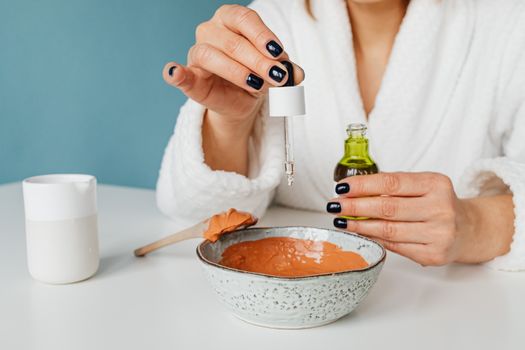 Photo: www.kaboompics.com / Pexels
Navigating the ingredient lists of skincare products can feel like deciphering a secret code, especially when you're trying to find the best drugstore moisturizer for acne-prone skin. However, understanding a few key players—both beneficial and detrimental—can significantly simplify your search and lead you to products that truly support your skin's health. The right ingredients can soothe inflammation, control oil, prevent breakouts, and maintain hydration without exacerbating your acne.
Firstly, let's talk about the superstars. Hyaluronic acid (HA) is a powerhouse hydrator that can hold up to 1,000 times its weight in water. It draws moisture from the atmosphere into your skin, providing intense hydration without feeling heavy or greasy. For acne-prone skin, this means plump, dewy skin without the risk of clogged pores. Niacinamide, a form of Vitamin B3, is another incredible multi-tasker. It helps to reduce inflammation and redness, minimize the appearance of pores, regulate oil production, and strengthen the skin barrier. Its calming properties make it ideal for irritated, breakout-prone skin. Salicylic acid (BHA) is a chemical exfoliant that is oil-soluble, meaning it can penetrate deep into pores to dissolve sebum and dead skin cells, preventing blockages that lead to blackheads, whiteheads, and pimples. While primarily an active treatment, some moisturizers incorporate it at lower concentrations for a gentle, continuous exfoliating effect. Ceramides are lipids that are naturally found in your skin barrier. Including them in your moisturizer helps to repair and strengthen this barrier, preventing moisture loss and protecting against irritants. Glycerin, like hyaluronic acid, is a humectant that attracts water to the skin, offering another excellent source of lightweight hydration. Lastly, aloe vera and green tea extract are often found for their soothing and antioxidant properties, helping to calm irritated skin and reduce redness.
Equally important is knowing what to avoid. The golden rule for acne-prone skin is 'non-comedogenic,' meaning the product is formulated not to clog pores. Always look for this label. Beyond that, steer clear of heavy, occlusive oils like mineral oil and petrolatum in large quantities, as they can be too rich for many acne-prone skin types, though some formulations are designed to be non-comedogenic. Fragrances, both synthetic and natural (e.g., essential oils), are common irritants that can trigger redness, itching, and inflammation, especially in sensitive, acne-prone skin. Similarly, artificial dyes offer no skincare benefit and can cause irritation. Alcohol (specifically drying alcohols like ethanol, isopropyl alcohol, alcohol denat.) can strip the skin of its natural oils, leading to dryness and irritation, which, as discussed, can provoke more oil production and breakouts. Silicones, such as dimethicone, are often debated. While many silicones are non-comedogenic and provide a silky texture, some individuals find they can create an occlusive layer that traps sweat and oil, potentially leading to breakouts. It's often a matter of personal trial and error with silicones. By carefully selecting moisturizers with beneficial ingredients and diligently avoiding known irritants and pore-cloggers, you can significantly improve the health and appearance of your acne-prone skin. This diligent approach is key to finding the best drugstore moisturizer for acne-prone skin that works for you.
Top Drugstore Picks: The Best Moisturizers for Acne-Prone Skin
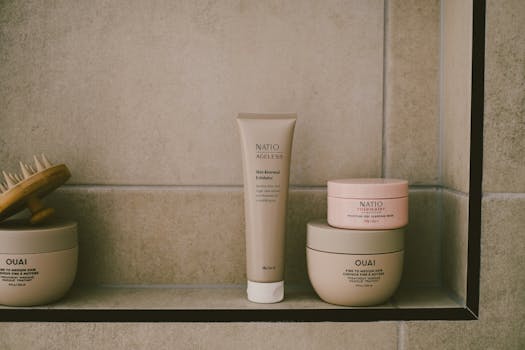 Photo: Valeriia Miller / Pexels
When it comes to finding the best drugstore moisturizer for acne-prone skin, the market is surprisingly robust, offering a plethora of effective and affordable options. Gone are the days when 'drugstore' equated to 'lower quality.' Many of these accessible brands leverage extensive research to create sophisticated formulas that deliver real results without the hefty price tag. Here, we delve into some of the standout products that consistently earn top marks from dermatologists and users alike, providing a detailed look at why they are ideal for managing acne-prone complexions.
One perennial favorite is the **CeraVe PM Facial Moisturizing Lotion**. This lightweight, oil-free formula is a true gem. It's packed with ceramides, which are essential for restoring and maintaining the skin's natural barrier, and niacinamide, a hero ingredient known for its ability to calm inflammation, reduce redness, and regulate oil production. Its non-comedogenic status and fragrance-free formulation make it suitable even for the most sensitive, acne-prone skin. While designed for night, its light texture makes it perfectly acceptable for daytime use, especially under makeup. Another strong contender is the **La Roche-Posay Toleriane Double Repair Face Moisturizer**. This product focuses on repairing the skin barrier and providing long-lasting hydration. It contains a high concentration of Prebiotic Thermal Water, niacinamide, and ceramides. It's oil-free, non-comedogenic, and safe for sensitive skin, making it an excellent choice for those whose acne is accompanied by sensitivity or irritation. Its rich yet non-greasy texture provides comfort without feeling heavy.
For those battling persistent oiliness and shine, the **Neutrogena Hydro Boost Water Gel (for oily skin)** is a game-changer. While the original Hydro Boost is fantastic, the version specifically for oily skin is tailored to provide intense hydration with hyaluronic acid while maintaining a matte finish. Its gel-cream texture absorbs almost instantly, making it ideal for layering under SPF and makeup. It's oil-free and non-comedogenic, ensuring pores remain clear. Similarly, the **Differin Oil Absorbing Moisturizer with SPF 30** combines hydration with sun protection, a crucial step for acne-prone skin, especially when using active treatments that increase sun sensitivity. It uses Micropearl technology to absorb surface oil, providing a matte finish, and is gentle enough for daily use alongside retinoids.
Finally, the **Vanicream Daily Facial Moisturizer** is an excellent option for extremely sensitive or reactive acne-prone skin. It's free of common irritants like dyes, fragrance, parabens, and formaldehyde, and is non-comedogenic. Formulated with hyaluronic acid and ceramides, it provides robust hydration and barrier support in a simple, no-frills manner. Its minimalist approach makes it a safe bet when you're unsure how your skin will react to other ingredients. Each of these moisturizers offers distinct benefits, but all share the common thread of being thoughtfully formulated to support acne-prone skin without exacerbating breakouts.
Discover more about balancing oily skin here.
Application Tips and Common Mistakes to Avoid for Acne-Prone Skin
Finding the best drugstore moisturizer for acne-prone skin is only half the battle; knowing how to properly apply it and avoiding common pitfalls is equally crucial for achieving optimal results. Even the most perfectly formulated product can underperform if not used correctly, and certain habits can inadvertently sabotage your efforts to achieve clearer, healthier skin.
**Application Tips for Maximum Benefit:**
* **Cleanse First, Then Moisturize:** Always apply your moisturizer to freshly cleansed skin. This ensures that the product can penetrate effectively and isn't sitting on top of dirt, oil, or makeup residue. Gently pat your face dry with a clean towel, leaving it slightly damp to help lock in extra moisture.
* **Less is More:** You don't need a huge dollop of moisturizer. A pea-sized amount is usually sufficient for your entire face and neck. Over-applying can lead to a greasy feeling and, in some cases, might feel heavy on acne-prone skin.
* **Gentle Application:** Use clean fingertips to gently massage the moisturizer into your skin using upward and outward motions. Avoid harsh rubbing or pulling, which can irritate sensitive skin and potentially spread bacteria.
* **Layering with Actives:** If you're using active acne treatments like salicylic acid, benzoyl peroxide, or retinoids, apply them to clean, dry skin first. Allow them to fully absorb (usually 5-10 minutes) before applying your moisturizer. This ensures the actives can work unimpeded and your moisturizer can then provide a protective, hydrating layer.
* **Consistency is Key:** Apply your moisturizer twice daily, in the morning and evening, even if your skin feels oily. Consistent hydration helps regulate oil production and strengthens your skin barrier.
**Common Mistakes to Avoid:**
* **Skipping Moisturizer Altogether:** As discussed, drying out your skin can worsen acne. It's a myth that oily skin doesn't need moisture. This is perhaps the biggest mistake acne-prone individuals make.
* **Using Comedogenic Products:** Not checking labels for 'non-comedogenic' can quickly lead to clogged pores and new breakouts. Be diligent about this, even with products marketed for acne.
* **Over-Exfoliating:** While exfoliation is important, over-doing it (whether with physical scrubs or chemical exfoliants) can compromise your skin barrier, leading to increased sensitivity, redness, and more breakouts. Your moisturizer won't be able to fully compensate for an over-stripped barrier.
* **Ignoring SPF:** Many acne treatments increase sun sensitivity. Failing to use a broad-spectrum SPF 30 or higher daily (after your moisturizer) can lead to sunburn, post-inflammatory hyperpigmentation, and further skin damage. Consider a moisturizer with built-in SPF for convenience.
* **Not Patch Testing:** Introducing new products, even highly recommended ones, without a patch test can lead to widespread irritation or breakouts. Always test a small area first.
* **Expecting Instant Results:** Skincare, especially for acne, takes time. Give new products at least 4-6 weeks of consistent use before deciding if they are effective. Patience is a virtue in skincare.
By following these application tips and consciously avoiding these common mistakes, you can significantly enhance the efficacy of your chosen drugstore moisturizer and pave the way for clearer, more comfortable skin.
