What are the best essential oils for hair growth? Your ultimate guide
June 21, 2026 16 min read 3,193 words
Unlock the secrets to a fuller, healthier mane with nature's potent elixirs, applied safely and effectively.
Explore Your Options
Understanding Hair Growth and Essential Oils
 Photo: SHVETS production / Pexels
Hair loss and thinning are common concerns affecting millions of people across the United States. Factors like genetics, stress, hormonal imbalances, nutritional deficiencies, and environmental stressors can all contribute to a lackluster mane. While numerous synthetic treatments promise miraculous results, many individuals are turning to natural alternatives, particularly essential oils, for their proven efficacy and minimal side effects. But what exactly makes essential oils so potent for hair growth, and how do they interact with our complex hair follicles?
Essential oils are highly concentrated plant extracts, capturing the plant's 'essence' – its aroma, flavor, and therapeutic properties. These oils contain a myriad of bioactive compounds that, when applied topically, can stimulate blood circulation, reduce inflammation, balance scalp sebum production, and even possess antimicrobial properties that combat scalp issues detrimental to hair health. The science behind their effectiveness lies in their ability to penetrate the hair follicle and surrounding tissues, delivering these beneficial compounds directly where they are needed most. For instance, some essential oils are known vasodilators, meaning they widen blood vessels, increasing nutrient and oxygen delivery to the hair follicles, which is crucial for healthy hair growth. Others exhibit anti-androgenic effects, helping to counteract hormones like DHT (dihydrotestosterone) that are often implicated in pattern baldness. Moreover, their anti-inflammatory and antiseptic qualities can create an optimal scalp environment, free from irritation and microbial overgrowth, paving the way for stronger, healthier hair to emerge.
It's important to differentiate between hair loss and hair breakage. While essential oils can support the growth of new hair and strengthen existing strands, they primarily target the scalp and hair follicles. If your concern is primarily breakage, addressing issues like dryness, chemical damage, or improper hair care routines is also vital. Essential oils can still play a supportive role by nourishing the scalp and improving hair elasticity, but a holistic approach is often best. Understanding the specific mechanism of action for each essential oil is key to selecting the most effective blend for your individual needs. This article will delve into the specific benefits of the top essential oils, providing you with a comprehensive guide to harnessing their power for optimal hair health. For a deeper dive into overall hair care, explore our guide on
maintaining healthy hair.
The Top Essential Oils Scientifically Backed for Hair Growth
When seeking what are the best essential oils for hair growth, several stand out due to scientific research and anecdotal evidence. Let's explore the most effective ones:
**Rosemary Essential Oil (Rosmarinus officinalis):** Often hailed as the king of hair growth essential oils, rosemary oil has garnered significant attention. A landmark study published in the International Journal of Biotechnology compared rosemary oil to minoxidil (a common over-the-counter hair growth treatment) and found it to be just as effective in increasing hair count after six months, with fewer scalp itching side effects. Its primary mechanism involves stimulating blood circulation to the scalp, ensuring that hair follicles receive a rich supply of nutrients and oxygen necessary for growth. It also possesses anti-inflammatory properties that can soothe an irritated scalp and may help block DHT, a hormone linked to hair loss. Regular use can lead to thicker, stronger hair and improved scalp health.
**Peppermint Essential Oil (Mentha piperita):** The invigorating tingle you feel from peppermint oil is a sign of its powerful vasodilating effects. Studies, particularly on mice, have shown that peppermint oil can significantly increase the number and depth of hair follicles, leading to accelerated hair growth. It works by stimulating blood flow to the scalp, providing a fresh surge of nutrients to dormant follicles. The menthol content also offers a refreshing and purifying effect, helping to clear clogged pores and create an optimal environment for hair to flourish. It's crucial to dilute peppermint oil properly due to its potency.
**Lavender Essential Oil (Lavandula angustifolia):** Beyond its famously calming aroma, lavender oil is a powerhouse for hair growth. Research suggests it can promote hair growth and prevent hair thinning, particularly when linked to stress-related hair loss. Lavender oil boasts strong anti-inflammatory, antimicrobial, and antiseptic properties, which are excellent for maintaining a healthy scalp. A healthy scalp is the foundation for healthy hair growth, as it prevents issues like dandruff and fungal infections that can impede follicle function. Its soothing properties can also help reduce stress, a known contributor to hair loss.
**Cedarwood Essential Oil (Juniperus virginiana):** Cedarwood oil is particularly beneficial for those struggling with hair thinning and conditions like alopecia areata. It's known for its ability to stimulate hair follicles by improving circulation to the scalp. Additionally, cedarwood oil has antifungal and antiseptic properties, making it effective in treating dandruff and other scalp irritations that can hinder hair growth. It helps balance the oil-producing glands on the scalp, which can be helpful for both oily and dry scalp conditions, promoting a balanced environment for hair to thrive.
**Thyme Essential Oil (Thymus vulgaris):** Thyme oil is a potent essential oil that can significantly stimulate hair growth by improving circulation to the scalp. It's particularly effective in treating alopecia areata, a condition causing patchy hair loss. Thyme oil contains carvacrol, a compound with powerful antimicrobial properties that can help keep the scalp free from infections. However, due to its potency, thyme oil must always be used in very low concentrations and properly diluted with a carrier oil to avoid skin irritation. Its stimulating effects make it a valuable addition to a hair growth blend.
**Clary Sage Essential Oil (Salvia sclarea):** Clary sage oil contains a natural ester called Linalyl Acetate, which can help strengthen hair and reduce breakage, making it appear thicker and fuller. It also balances scalp oils, which can be beneficial for both excessively oily and dry scalps. By promoting a healthy sebaceous gland function, clary sage creates an ideal environment for hair follicles. Its estrogen-mimicking properties are also thought to help regulate hormones that might contribute to hair loss. This oil is particularly good for reducing stress, another factor in hair loss, contributing to overall hair health.
How to Safely and Effectively Use Essential Oils for Hair Growth
Harnessing the power of essential oils for hair growth requires understanding proper dilution, application techniques, and safety precautions. Essential oils are highly concentrated and can cause irritation or sensitization if not used correctly. The golden rule is always to dilute them with a carrier oil before applying them to your scalp. Carrier oils not only help to disperse the essential oil safely but also provide their own set of nourishing benefits for hair and scalp.
**Choosing Your Carrier Oil:**
* **Jojoba Oil:** Mimics the natural sebum of the scalp, making it an excellent choice for all hair types, especially oily or combination. It's lightweight and non-comedogenic.
* **Argan Oil:** Rich in Vitamin E and fatty acids, argan oil nourishes and protects hair, adds shine, and is great for dry or damaged hair.
* **Coconut Oil:** Penetrates the hair shaft deeply, reducing protein loss. Best for dry, coarse, or damaged hair, but can be heavy for fine hair.
* **Castor Oil:** Known for its thick consistency and ricinoleic acid content, which can improve blood circulation and hair growth. It's very viscous, so often blended with lighter oils.
* **Sweet Almond Oil:** A good all-around oil, rich in vitamins and minerals, excellent for conditioning and strengthening hair.
**Dilution Ratios:** A general guideline for scalp application is a 1-2% dilution. This means for every 1 tablespoon (about 15 ml) of carrier oil, you would add 3-6 drops of essential oil. For very sensitive skin, start with a 0.5% dilution (1-2 drops per tablespoon).
**Application Methods:**
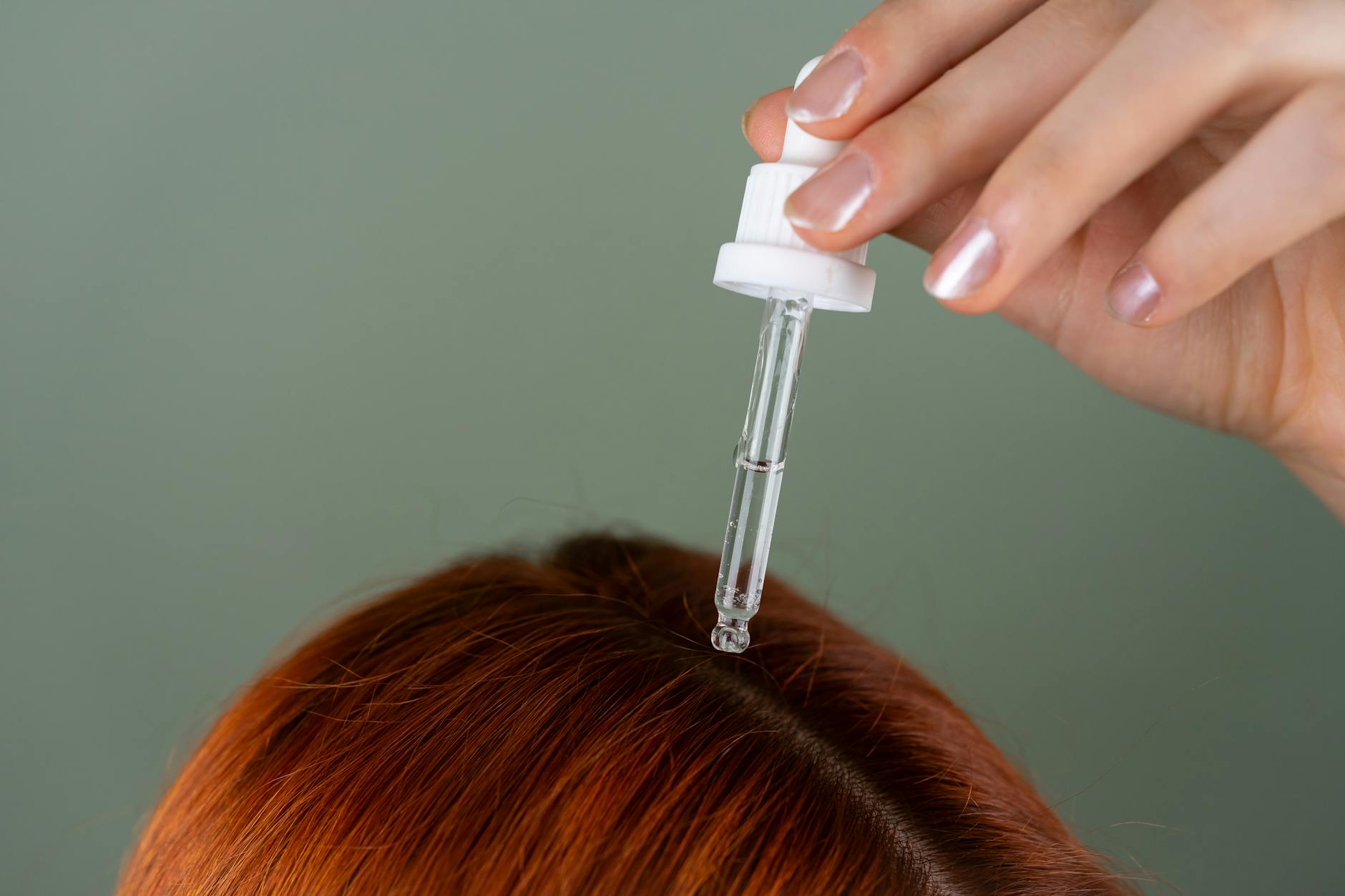
1. **Scalp Massage Blend:** This is the most common and effective method. Mix your chosen essential oils with a carrier oil. Part your hair and apply a few drops of the blend directly to your scalp. Use your fingertips to gently massage the oil into your scalp for 5-10 minutes. This increases blood flow and helps the oils penetrate. Leave it on for at least 30 minutes, or preferably overnight, before shampooing. Do this 2-3 times a week.
2. **Add to Shampoo or Conditioner:** For a less intensive approach, you can add 2-3 drops of essential oil per ounce of your shampoo or conditioner. Mix well before each use. While this is convenient, the contact time with your scalp is much shorter, so the effects may be less pronounced than direct scalp application.
3. **Hair Mask:** Create a more potent treatment by combining your essential oils with a carrier oil and other beneficial ingredients like honey, aloe vera, or yogurt. Apply to the scalp and hair, leave on for 30-60 minutes, then rinse thoroughly.
**Safety Precautions:**
* **Patch Test:** Before applying any new essential oil blend to your entire scalp, perform a patch test. Apply a small amount of the diluted oil to a discreet area of your skin (like behind your ear or on your inner arm) and wait 24 hours to check for any redness, itching, or irritation.
* **Quality Matters:** Always use high-quality, pure, therapeutic-grade essential oils from reputable brands. Avoid synthetic fragrances or oils labeled as 'fragrance oil.'
* **Avoid Eyes and Mucous Membranes:** Essential oils can be irritating to sensitive areas. If contact occurs, rinse immediately with a carrier oil (not water, as oils and water don't mix).
* **Pregnancy and Medical Conditions:** If you are pregnant, nursing, or have any underlying medical conditions, consult with a healthcare professional before using essential oils.
* **Storage:** Store essential oils in dark glass bottles in a cool, dark place to preserve their potency. For more tips on natural beauty, check out our insights on
DIY beauty remedies.
Common Mistakes and Expert Tips for Optimal Results
While essential oils offer a promising natural path to healthier hair, some common pitfalls can hinder your progress or even cause adverse reactions. Being aware of these and following expert tips will ensure you get the most out of your hair growth journey.
**Common Mistakes to Avoid:**
* **Applying Undiluted Oils:** This is the most significant and dangerous mistake. Pure essential oils are extremely concentrated and can cause severe skin irritation, burns, or allergic reactions. Always, always dilute them with a carrier oil.
* **Expecting Instant Results:** Hair growth is a slow process. It takes time for follicles to respond and for new hair to visibly grow. Don't get discouraged if you don't see changes in a few weeks. Consistency over several months (3-6 minimum) is key.
* **Using Low-Quality Oils:** Cheap essential oils are often adulterated with synthetic chemicals or diluted with inexpensive carrier oils, rendering them ineffective or potentially harmful. Invest in pure, therapeutic-grade oils from reputable suppliers.
* **Overuse:** More is not always better. Using too much essential oil, even diluted, can still lead to sensitization or an overly oily scalp. Stick to recommended dilution ratios.
* **Ignoring Patch Tests:** Skipping a patch test can lead to widespread irritation if you have an unknown sensitivity. Always test a new oil or blend on a small skin area first.
* **Not Addressing Underlying Issues:** Essential oils can be a powerful tool, but they aren't a magic bullet for all hair loss. If your hair loss is severe or persistent, it might be due to an underlying medical condition (e.g., thyroid issues, severe nutritional deficiencies, autoimmune diseases). Consult a doctor or dermatologist if you suspect this.
* **Inconsistent Application:** Sporadic use will yield sporadic results. Regular, consistent application is crucial for stimulating follicles and seeing noticeable improvements.
**Expert Tips for Optimal Results:**
* **Combine Oils for Synergy:** Many essential oils work synergistically. Creating a blend with 2-3 different oils (e.g., rosemary, peppermint, and lavender) can often provide more comprehensive benefits than using a single oil.
* **Scalp Massage is Key:** The act of massaging the scalp itself stimulates blood flow, regardless of the oil used. Combine your essential oil application with a thorough, gentle scalp massage to maximize benefits.
* **Warm Your Carrier Oil:** Slightly warming your carrier oil (e.g., in a bowl of warm water) before mixing with essential oils can enhance absorption and make for a more pleasant application experience.
* **Integrate into a Holistic Routine:** Support your essential oil treatment with a balanced diet rich in hair-healthy nutrients (biotin, zinc, iron, vitamins A, C, D, E), adequate hydration, stress management, and gentle hair care practices.
* **Patience and Persistence:** This cannot be stressed enough. Natural remedies work gradually by supporting the body's natural processes. Be patient, stay consistent, and document your progress (e.g., take monthly photos) to see the subtle changes over time.
* **Listen to Your Body:** Pay attention to how your scalp reacts. If you experience any irritation, discontinue use or adjust your dilution. Everyone's skin and hair are unique.
* **Clean Your Scalp Regularly:** A clean scalp free from product buildup, excess sebum, and dead skin cells allows essential oils to penetrate more effectively. Use a clarifying shampoo occasionally if needed.
By avoiding common mistakes and implementing these expert tips, you can significantly enhance the effectiveness of essential oils in your quest for healthier, thicker, and longer hair.