Find Your Best Foundation for Oily Acne-Prone Skin
best foundation for oily acne-prone skin

Find Your Best Foundation for Oily Acne-Prone Skin

Unlock the secrets to a flawless, shine-free complexion that won't exacerbate breakouts or clog pores.

Discover Your Match

Key Takeaways

  • ✓ Look for 'non-comedogenic' and 'oil-free' labels.
  • ✓ Matte or semi-matte finishes are ideal for controlling shine.
  • ✓ Salicylic acid or niacinamide can offer additional skin benefits.
  • ✓ Always patch test new foundations to prevent irritation.

How It Works

1
Prep Your Skin

Start with a clean, moisturized face. Use an oil-controlling primer to create a smooth, long-lasting base.

2
Choose the Right Formula

Opt for liquid or powder foundations specifically designed for oily and acne-prone skin. Avoid heavy, emollient creams.

3
Apply Strategically

Apply foundation using a clean sponge or brush, focusing on areas with redness or blemishes. Build coverage gradually.

4
Set and Maintain

Set your foundation with a translucent setting powder to lock it in place and absorb excess oil throughout the day. Carry blotting papers for touch-ups.

Understanding Oily & Acne-Prone Skin: The Foundation Challenge
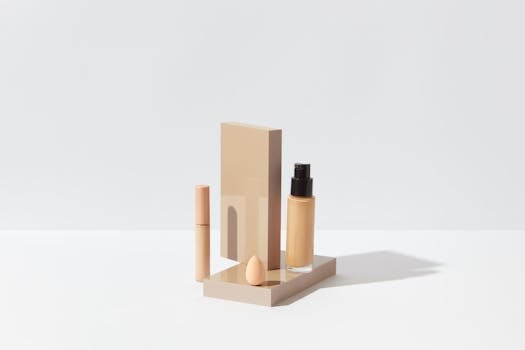
Elegant display of foundation, concealer, and sponge for a clean beauty setup on a white surface. Photo: DS stories / Pexels
Navigating the world of foundation when you have oily and acne-prone skin can often feel like a never-ending quest for the holy grail. It's a delicate balance: you want coverage to conceal blemishes and even out skin tone, but you absolutely do not want to exacerbate existing breakouts or trigger new ones. The wrong foundation can lead to a host of problems, including clogged pores, increased oil production, a greasy finish, and makeup that literally slides off your face by midday. This section delves into the fundamental challenges and common pitfalls associated with choosing makeup for this specific skin type, setting the stage for how to identify the best foundation for oily acne-prone skin. Oily skin is characterized by an overproduction of sebum, the natural oil produced by our sebaceous glands. While sebum is essential for skin health, too much of it can lead to a shiny complexion, enlarged pores, and a breeding ground for bacteria. When this excess sebum combines with dead skin cells, it can clog pores, leading to blackheads, whiteheads, and inflammatory acne. Acne-prone skin, by its very definition, is skin that is predisposed to these breakouts, often due to genetic factors, hormonal fluctuations, or environmental triggers. Therefore, any product applied to this skin type must be carefully vetted to ensure it doesn't contribute to these issues. The challenge with foundation lies in its formulation. Many traditional foundations contain heavy emollients, occlusive agents, and pore-clogging ingredients that, while beneficial for dry or mature skin, can be disastrous for oily and acne-prone types. Ingredients like mineral oil, lanolin, and certain synthetic fragrances are notorious for their comedogenic potential – meaning they can block pores. Furthermore, foundations with a dewy or luminous finish often achieve this effect through ingredients that add extra moisture or shine, which is the last thing oily skin needs. The goal is to find a formula that provides adequate coverage without adding to the skin's oiliness or suffocating the pores. It's not just about what's in the foundation, but also what's *not* in it. This means looking for specific labels and understanding ingredient lists. The quest for the ideal foundation for oily, acne-prone skin is a journey towards a clearer, more confident complexion, and it begins with a deep understanding of your skin's needs and how cosmetics interact with them. Understanding your skin type is the first step to making informed beauty choices. This foundational knowledge empowers you to select products that work harmoniously with your skin, rather than against it, ultimately leading to a more effective and satisfying makeup routine. The right foundation should feel like a second skin, allowing your skin to breathe while providing the coverage you desire, all without compromising its health.

Key Ingredients and Formulations: What to Look For (and Avoid)

When searching for the best foundation for oily acne-prone skin, the ingredient list is your most powerful tool. Beyond catchy marketing phrases, understanding specific components can make all the difference in achieving a flawless, breakout-free complexion. The primary focus should be on non-comedogenic (meaning it won't clog pores) and oil-free formulations. These are non-negotiable foundations for this skin type. **Ingredients to Seek Out:** * **Salicylic Acid:** Often found in foundations designed for acne-prone skin, salicylic acid is a beta-hydroxy acid (BHA) known for its ability to penetrate oil and exfoliate within the pore. It can help to unclog pores and reduce inflammation, making it a powerful ally in preventing and treating breakouts while you wear your makeup. Even a small percentage in your foundation can offer continuous, subtle treatment throughout the day. * **Niacinamide (Vitamin B3):** This powerhouse ingredient boasts multiple benefits. It helps to regulate sebum production, minimizing shine and reducing the appearance of enlarged pores. Niacinamide also has anti-inflammatory properties, which can calm redness and irritation associated with acne. Furthermore, it supports the skin barrier function, improving overall skin health. * **Dimethicone/Silicones:** While some people are wary of silicones, in foundations for oily skin, they play a crucial role. Dimethicone creates a smooth, silky texture that blurs imperfections and helps makeup last longer without feeling heavy. Importantly, it forms a breathable barrier on the skin, preventing moisture loss without clogging pores, making it an excellent non-comedogenic option for a matte finish. * **Kaolin Clay/Bentonite Clay:** These natural clays are renowned for their oil-absorbing properties. When incorporated into a foundation, they can help to mattify the skin, control shine throughout the day, and give the foundation a longer wear time, preventing that dreaded greasy look. * **Zinc Oxide/Titanium Dioxide:** Beyond their mineral sunscreen benefits, these ingredients also offer anti-inflammatory properties. They can be soothing for irritated skin and contribute to a matte finish, making them beneficial for acne-prone types. **Ingredients to Avoid or Use with Caution:** * **Heavy Oils and Butters:** Ingredients like mineral oil, lanolin, coconut oil, and shea butter are highly emollient and can be intensely moisturizing. While great for dry skin, they are often comedogenic and can lead to breakouts in oily, acne-prone individuals. Always check for these in the first few ingredients. * **Alcohol Denat. (Denatured Alcohol):** While some foundations use alcohol to create a quick-drying, matte finish, it can be extremely drying and irritating in the long run. This can strip the skin's natural oils, leading to a rebound effect where your skin produces even more oil to compensate, worsening oiliness and potentially triggering breakouts. Look for foundations that are alcohol-free. * **Synthetic Fragrances:** Fragrance, whether natural or synthetic, is a common irritant, especially for sensitive and acne-prone skin. It can cause redness, itching, and inflammation, which can exacerbate existing acne. Opt for fragrance-free formulations whenever possible. * **Heavy Emollients/Waxes:** Ingredients like isopropyl myristate, oleth-3, and certain waxes can be highly occlusive, forming a barrier that traps sebum and dead skin cells, leading to clogged pores. A quick search for the comedogenic rating of specific ingredients can be very helpful. By becoming an ingredient detective, you empower yourself to choose foundations that not only provide beautiful coverage but also actively support the health and clarity of your oily, acne-prone skin. It's about making an informed decision that goes beyond the brand name and focuses on what truly nurtures your complexion.

Application Techniques for a Flawless, Long-Lasting Finish

Even the best foundation for oily acne-prone skin can fall short if not applied correctly. Proper application techniques are crucial for maximizing coverage, ensuring longevity, and preventing your makeup from looking cakey or emphasizing texture. The goal is a seamless, natural-looking finish that stays put all day without aggravating your skin. This goes beyond just slapping on product; it involves thoughtful preparation, precise application, and strategic setting. Achieving a perfect base is an art, and for oily, acne-prone skin, it requires specific considerations. **1. Skin Preparation is Paramount:** Your foundation routine truly begins before any makeup touches your face. Start with a gentle cleanser suitable for oily and acne-prone skin to remove excess oil and impurities. Follow with a lightweight, oil-free moisturizer. Even oily skin needs hydration; skipping it can trick your skin into producing more oil to compensate. After moisturizing, an oil-controlling or mattifying primer is your best friend. Look for primers with ingredients like dimethicone or silica, which create a smooth canvas, blur pores, and crucially, help absorb oil and extend foundation wear. Allow your primer to set for a minute or two before moving on. **2. Application Tools Matter:** The tool you use can significantly impact the finish. For oily and acne-prone skin, a dense, flat-top kabuki brush or a damp beauty sponge are often preferred. Brushes can offer fuller coverage and help buff product into the skin for a seamless look. A damp beauty sponge can provide a more natural, airbrushed finish, and its dampness can prevent it from absorbing too much product, ensuring coverage where you need it. Fingers are generally not recommended as they can transfer oils and bacteria to your face, potentially worsening breakouts. **3. Less is More (Initially):** Resist the urge to apply a thick layer of foundation all over your face. Start with a small amount of product (a pea-sized drop for liquid foundation) and apply it to the areas where you need the most coverage first – typically the T-zone, around the nose, and any areas with blemishes or redness. Use light, stippling, or dabbing motions to blend the foundation outwards. Build coverage gradually, adding more only where necessary. This prevents a heavy, mask-like appearance and allows your natural skin to show through where possible. **4. Targeted Concealing:** For stubborn blemishes or dark spots, use a targeted concealer *after* applying foundation. This allows you to use less foundation overall and ensures that the concealer effectively covers the areas that need extra attention. Pat the concealer gently onto the blemish with a clean finger or small brush and blend only the edges. **5. Setting for Longevity:** This step is non-negotiable for oily skin. A good translucent setting powder is essential to lock your foundation in place, absorb excess oil, and mattify your complexion. Apply the powder with a large, fluffy brush, focusing on your T-zone and any other oily areas. For extra staying power, especially in humid climates, consider 'baking' in particularly oily areas: apply a generous amount of powder with a damp sponge, let it sit for 5-10 minutes, then dust off the excess. Finish with a mattifying setting spray to truly seal everything in and extend wear time. By meticulously following these application techniques, you can transform your foundation routine from a daily struggle into a confident step towards a beautifully flawless and long-lasting complexion, even with oily and acne-prone skin.

Top Tips for Maintaining a Matte, Breakout-Free Complexion All Day

Even with the best foundation for oily acne-prone skin and expert application, maintaining a matte, breakout-free complexion throughout the day requires ongoing effort and smart strategies. Oil breakthrough, shine, and makeup fading are common adversaries for those with oily skin, but with a few proactive steps and smart touch-up techniques, you can keep your foundation looking fresh and your skin feeling comfortable from morning to night. It’s about creating a holistic approach that supports your skin's unique needs. **1. The Power of Blotting Papers:** These are an oily skin's best friend. Instead of adding more powder throughout the day, which can lead to a cakey finish, use blotting papers to absorb excess oil without disturbing your makeup. Gently press a sheet onto shiny areas, hold for a few seconds, then peel away. You'll see the oil lifted, leaving your skin mattified without adding extra product. Keep a pack in your bag for quick touch-ups. **2. Strategic Powder Touch-Ups:** While blotting papers are great for initial oil absorption, if you need a little extra mattifying or coverage, a light dusting of translucent or pressed powder can help. Use a small, fluffy brush or a powder puff and focus only on the areas that are truly shiny, such as the T-zone. Avoid sweeping motions; instead, gently press the powder into the skin to prevent smudging your foundation underneath. **3. Reapplying Setting Spray:** A quick spritz of a mattifying setting spray can revitalize your makeup and help re-seal it, especially if you've done a mid-day powder touch-up. Look for setting sprays specifically formulated for oily skin, as they often contain oil-absorbing ingredients. This can help extend the wear of your foundation and keep shine at bay for a few more hours. **4. Avoid Touching Your Face:** This is a golden rule for acne-prone skin. Constantly touching your face transfers oils, dirt, and bacteria from your hands to your skin, which can clog pores and trigger new breakouts. It also smudges your foundation and compromises its longevity. Be mindful of resting your chin on your hand or constantly adjusting your makeup. **5. Clean Your Tools Regularly:** Dirty brushes and sponges are a breeding ground for bacteria and old makeup residue. Using them can reintroduce impurities to your skin, leading to breakouts, and they won't apply foundation as smoothly. Commit to cleaning your foundation brushes and sponges at least once a week with a gentle cleanser or brush shampoo. This is crucial for both skin health and makeup performance. **6. Consider a Mattifying Gel/Serum Underneath:** For particularly stubborn oiliness, integrating a mattifying gel or serum into your skincare routine, applied before primer, can provide an extra layer of oil control. These products often contain ingredients like silica or witch hazel that help to regulate sebum production and create a smoother, less oily base for your foundation. **7. Don't Over-Exfoliate:** While exfoliation is important for acne-prone skin, over-exfoliating can strip your skin's natural barrier, leading to increased oil production as your skin tries to compensate. Stick to a gentle exfoliation routine (1-2 times a week) and ensure your foundation and skincare products are working synergistically to manage oil without causing irritation. By incorporating these tips into your daily routine, you can significantly improve the wear time of your foundation and maintain a fresh, matte, and breakout-free complexion throughout your busiest days. It's about being prepared and proactive in managing the unique challenges that oily and acne-prone skin presents.

Comparison

FeatureBest OptionAlternative 1Alternative 2
Formula TypeLiquid (Oil-Free, Matte)Powder (Mineral-based)Tinted Moisturizer (Oil-Free)
Key IngredientsSalicylic Acid, Niacinamide, ClaysZinc Oxide, Titanium DioxideHyaluronic Acid, Glycerin (Non-comedogenic)
FinishMatte to Semi-MatteNatural MatteSheer to Natural
CoverageMedium to Full (Build.)Light to MediumSheer to Light
LongevityExcellent (8-12 hrs)Good (6-8 hrs)Moderate (4-6 hrs)
Pore-Clogging RiskLow (Non-comedogenic)Very LowLow (Non-comedogenic)
Oil ControlHighHighModerate
Skin BenefitsAcne Treatment, Sebum Reg.Anti-inflammatory, SPFHydration, Even Tone

What Readers Say

"This foundation is a game-changer for my oily, acne-prone skin. It covers my breakouts beautifully without feeling heavy or causing new ones. I can wear it all day without needing to blot constantly."

Sarah J. · Austin, TX

"Finally, a foundation that doesn't melt off my face in the humidity! My skin looks matte and smooth, and I've even noticed fewer breakouts since switching. It's truly the best foundation for oily acne-prone skin."

Michael P. · Miami, FL

"I struggled for years to find a foundation that wouldn't make my acne worse. This one not only provides excellent coverage but also contains salicylic acid, which has significantly improved my skin's clarity over time. My complexion has never looked better."

Jessica L. · Seattle, WA

"It's almost perfect for my skin. The coverage is fantastic, and it definitely controls oil. My only minor gripe is that I need to use a really good primer underneath to prevent it from looking a little dry around my nose by late afternoon, but it's still way better than anything else I've tried."

Emily R. · Denver, CO

"As someone who works long hours and has very oily skin, this foundation holds up incredibly well. It doesn't oxidize or get patchy, even after a full day. My skin feels like it can still breathe, which is a huge plus."

Chris T. · New York, NY

Frequently Asked Questions

What specifically makes a foundation 'best' for oily, acne-prone skin?

The best foundations for oily, acne-prone skin are non-comedogenic and oil-free, meaning they won't clog pores or add extra grease. They often contain oil-absorbing ingredients like clays or silicones, and sometimes include active ingredients like salicylic acid or niacinamide to help treat and prevent breakouts while providing coverage. A matte or semi-matte finish is also typically preferred to control shine.

Will using foundation make my acne worse?

Not if you choose the right one! Using foundations specifically formulated for acne-prone skin (non-comedogenic, oil-free, and ideally with beneficial active ingredients) should not make your acne worse. In fact, some can even help improve your skin. The key is to avoid heavy, pore-clogging formulas and always remove your makeup thoroughly before bed.

How do I prevent my foundation from looking cakey on oily skin?

To prevent a cakey look, start with well-prepped skin (clean, moisturized, and primed). Apply foundation sparingly, building coverage only where needed, rather than a thick layer all over. Use a damp beauty sponge or dense brush for blending. Finally, set with a light dusting of translucent powder, focusing on oily areas, and use blotting papers for touch-ups instead of adding more foundation.

Are expensive foundations always better for oily, acne-prone skin?

Not necessarily. While some high-end foundations offer excellent performance, many affordable drugstore options are also highly effective for oily, acne-prone skin. The price point doesn't always correlate with suitability for your skin type. Focus on the ingredient list, 'non-comedogenic' claims, and reviews from people with similar skin concerns rather than just the brand name or price.

What's the difference between 'oil-free' and 'non-comedogenic'?

'Oil-free' means the product does not contain petroleum-based or plant-based oils that could add extra grease to the skin. 'Non-comedogenic' means the product has been tested and found not to clog pores, which is crucial for preventing breakouts. While many oil-free products are also non-comedogenic, it's essential to look for both labels, especially if you have acne-prone skin, as some non-oil ingredients can still be comedogenic.

Who should use the best foundation for oily acne-prone skin?

Anyone experiencing excess oil production, frequent breakouts, enlarged pores, or a shiny complexion throughout the day should prioritize foundations designed for oily and acne-prone skin. This includes teenagers, adults with hormonal acne, and individuals in humid climates who need makeup that can withstand shine and prevent new blemishes.

Can I use a dewy foundation if I have oily acne-prone skin?

While dewy foundations are typically not recommended for oily skin as they can enhance shine and potentially contain more emollient ingredients, you *can* make them work with careful technique. Use a mattifying primer, apply the dewy foundation sparingly, and heavily powder your T-zone with a translucent setting powder. However, a matte or semi-matte foundation is generally a more straightforward and effective choice for oil control.

What are emerging trends in foundations for oily acne-prone skin?

Current trends lean towards 'skinimalism' and 'skin-caring' makeup. This means foundations are increasingly incorporating advanced skincare ingredients like prebiotics, postbiotics, and stronger concentrations of niacinamide or salicylic acid to actively improve skin health. There's also a move towards more breathable, lightweight formulas that offer buildable coverage without feeling heavy, catering to the desire for a natural yet perfected look.

Finding the best foundation for oily acne-prone skin doesn't have to be a struggle. By understanding your skin's needs, knowing what ingredients to look for, and mastering application techniques, you can achieve a flawless, long-lasting, and breakout-free complexion. Take control of your makeup routine and embrace the confidence that comes with truly great skin.

Topics: best foundation for oily acne-prone skinfoundation for oily skinnon-comedogenic foundationacne-safe makeupoil-free foundation
Leo List
Brampton weed
Adultwork