Uncover the best vitamin C serum for hyperpigmentation
Transform your skin, diminish dark spots, and reveal a luminous, even complexion with our expert guide.
Find Your Perfect SerumKey Takeaways
- ✓ Vitamin C is a powerful antioxidant crucial for collagen production and combating free radical damage.
- ✓ L-Ascorbic Acid is the most potent form of Vitamin C, but also the most unstable.
- ✓ Concentrations between 10-20% are generally most effective for hyperpigmentation.
- ✓ Pairing Vitamin C with Vitamin E and Ferulic Acid enhances its stability and efficacy.
How It Works
Vitamin C, a potent antioxidant, scavenges harmful free radicals caused by UV exposure and pollution. This prevents oxidative stress, a key contributor to skin damage and hyperpigmentation.
It interferes with the enzyme tyrosinase, which is essential for melanin synthesis. By reducing tyrosinase activity, Vitamin C helps to prevent the formation of new dark spots and lighten existing ones.
Vitamin C is vital for collagen production, which improves skin elasticity and firmness. This contributes to overall skin health and can help improve the texture of skin affected by hyperpigmentation.
Beyond targeting dark spots, Vitamin C promotes a more radiant and even skin tone. Regular use can lead to a noticeable improvement in overall skin luminosity and clarity.
Understanding Hyperpigmentation and Vitamin C's Role
Photo: www.kaboompics.com / Pexels
Vitamin C, scientifically known as L-Ascorbic Acid, is a potent antioxidant that plays a multifaceted role in skin health. Its primary benefit in the context of hyperpigmentation lies in its ability to inhibit tyrosinase, a key enzyme involved in the production of melanin. By interfering with this process, Vitamin C helps to prevent the formation of new dark spots and gradually lightens existing ones. Furthermore, as a powerful antioxidant, it neutralizes free radicals caused by environmental aggressors like UV radiation and pollution. These free radicals contribute to oxidative stress, which can trigger melanin overproduction and exacerbate hyperpigmentation. By mitigating this damage, Vitamin C not only treats existing dark spots but also acts as a protective shield, preventing future discoloration.
Beyond its direct impact on melanin, Vitamin C is also crucial for collagen synthesis, the protein responsible for skin's structure and elasticity. A robust collagen network contributes to healthier, more resilient skin, which can better recover from inflammation and damage that might otherwise lead to PIH. Regular use of a high-quality vitamin C serum can therefore lead to a visibly brighter, more even, and youthful complexion. The challenge, however, lies in choosing the right formulation, as not all vitamin C serums are created equal. The stability, concentration, and type of vitamin C used are critical factors that determine its efficacy. This guide will delve into these nuances, helping you identify the best vitamin C serum for hyperpigmentation to effectively address your skin concerns and achieve transformative results. Understanding the science behind this ingredient is the first step towards unlocking its full potential for radiant skin.
Key Factors for Selecting the Best Vitamin C Serum
Photo: Elena Druzhinina / Pexels
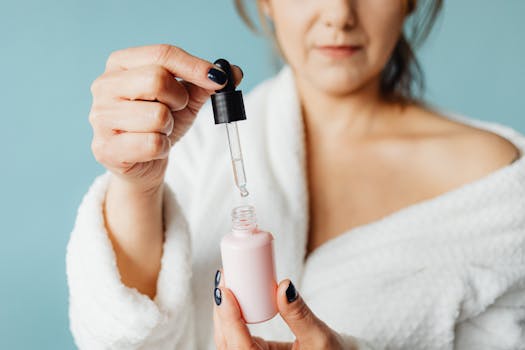
Firstly, the form of Vitamin C is paramount. L-Ascorbic Acid (L-AA) is the most biologically active and well-researched form of Vitamin C, known for its potent antioxidant and brightening properties. However, L-AA is notoriously unstable and can degrade quickly when exposed to light, air, and heat, rendering it ineffective. Therefore, look for serums that package L-AA in dark, opaque bottles, preferably with airless pumps or droppers, to minimize exposure. Other stable derivatives like Sodium Ascorbyl Phosphate (SAP), Magnesium Ascorbyl Phosphate (MAP), Ascorbyl Glucoside, or Tetrahexyldecyl Ascorbate (THD Ascorbate) are also effective, though often require higher concentrations to match L-AA's potency. THD Ascorbate, for instance, is oil-soluble and can penetrate deeper into the skin, making it an excellent choice for some individuals.
Secondly, concentration matters. For addressing hyperpigmentation, a vitamin C concentration between 10-20% is generally recommended for L-Ascorbic Acid. Anything lower might not be potent enough, while concentrations above 20% can sometimes lead to irritation without providing additional benefits. For derivatives, the optimal concentration might vary, often requiring higher percentages for comparable effects.
Thirdly, pay close attention to the ingredient list for supporting antioxidants. The famous 'CE Ferulic' combination, for example, pairs L-Ascorbic Acid with Vitamin E (Tocopherol) and Ferulic Acid. This synergistic blend not only stabilizes the Vitamin C, dramatically extending its shelf life, but also significantly boosts its antioxidant power, offering superior protection against environmental damage. Other beneficial ingredients to look for include hyaluronic acid for hydration, and botanical extracts that offer additional brightening or soothing properties.
Finally, consider the pH level of the serum. For L-Ascorbic Acid to be most effectively absorbed and stable, it generally needs to be formulated at a low pH (around 2.5-3.5). However, this low pH can sometimes be irritating for those with sensitive skin. If you have sensitive skin, consider a derivative form of Vitamin C or a L-AA serum formulated at a slightly higher, more gentle pH. By prioritizing these factors – the form of Vitamin C, its concentration, supporting antioxidants, and appropriate packaging – you can confidently select a vitamin C serum that will be a powerful ally in your journey towards a brighter, more even skin tone.
Top Formulations and Application Best Practices
Photo: Anna Keibalo / Pexels
For those with sensitive skin or who find L-AA too irritating, advanced derivatives offer excellent alternatives. Tetrahexyldecyl Ascorbate (THD Ascorbate) is a highly stable, oil-soluble form of Vitamin C that penetrates deeply into the skin, often without the irritation associated with L-AA. It's known for its potent brightening and collagen-boosting effects and is found in serums from brands like Sunday Riley and Drunk Elephant. Another gentle yet effective option is Magnesium Ascorbyl Phosphate (MAP), a water-soluble derivative that is very stable and well-tolerated, making it suitable for even the most reactive skin types. These derivatives often provide a more gradual but equally impressive improvement in hyperpigmentation over time.
Beyond selecting the right serum, proper application is crucial for maximizing its benefits and ensuring its stability. Always apply your vitamin C serum in the morning after cleansing and toning, but before moisturizing and sunscreen. A few drops (typically 3-5) are usually sufficient for the entire face and neck. Gently press or pat the serum into your skin until fully absorbed. The antioxidant protection offered by vitamin C is particularly beneficial during the day when your skin is most exposed to environmental aggressors.
Consistency is key. For noticeable results in fading hyperpigmentation, regular daily use for at least 8-12 weeks is typically required. Patience is a virtue in skincare, especially when dealing with stubborn dark spots. Store your vitamin C serum in a cool, dark place, away from direct sunlight and extreme temperatures, to preserve its potency. If your serum changes color (becomes dark orange or brown), it has likely oxidized and become less effective, or even irritating, and should be replaced. Pairing your vitamin C serum with a broad-spectrum SPF 30 or higher sunscreen every single day is non-negotiable. Sun exposure is the primary cause of hyperpigmentation and can undo all the hard work your vitamin C serum is doing. Sunscreen acts as the ultimate protective layer, preventing new dark spots and allowing existing ones to fade more effectively. Consider adding a gentle exfoliating ingredient like AHAs or PHAs a few times a week to further enhance cell turnover and aid in the shedding of pigmented skin cells, thereby boosting the efficacy of your best vitamin C serum for hyperpigmentation treatment. This holistic approach ensures you're giving your skin the best chance to recover and reveal its natural radiance.
Common Mistakes and Expert Tips for Optimal Results
Photo: Anna Keibalo / Pexels
### Common Mistakes to Avoid: * **Inconsistent Use:** Skipping days or using the serum sporadically will significantly delay results. Vitamin C works best when applied consistently, ideally every morning, to build up its protective and brightening effects. * **Incorrect Storage:** Exposure to light, air, and heat can rapidly degrade L-Ascorbic Acid. Storing your serum in a sunny bathroom cabinet is a recipe for oxidation. Always keep it in a cool, dark place, and ensure the cap is tightly sealed. * **Neglecting Sunscreen:** This is perhaps the biggest mistake. Without daily broad-spectrum SPF 30+ sunscreen, new hyperpigmentation will form, and existing dark spots will darken, rendering your vitamin C efforts futile. Sunscreen is your most crucial partner. * **Using Too High a Concentration Too Soon:** While 10-20% L-AA is effective, starting with a very high concentration if you have sensitive skin can lead to irritation, redness, and breakouts. Begin with a lower concentration (5-10%) or a gentler derivative and gradually increase as your skin adjusts. * **Mixing with Incompatible Ingredients:** While not as common a concern as once thought, some individuals find that applying L-Ascorbic Acid simultaneously with certain retinoids or strong exfoliants can cause irritation. It's often best to use Vitamin C in the morning and retinoids at night. If using strong AHAs, consider alternating days. * **Expecting Instant Results:** Fading hyperpigmentation takes time. Melanin is deeply embedded in the skin, and it takes several weeks to months of consistent use to see significant improvement. Patience is vital. ### Expert Tips for Optimal Results: * **Patch Test First:** Always apply a small amount of any new product, especially a potent active like vitamin C, to a discreet area of your skin (e.g., behind the ear or on your inner arm) for 24-48 hours to check for adverse reactions. * **Layer Correctly:** Apply your vitamin C serum immediately after cleansing and toning, on dry skin. Follow with moisturizer and then sunscreen. This ensures maximum absorption of the serum. * **Combine with Other Brighteners (Carefully):** For stubborn hyperpigmentation, you can strategically combine vitamin C with other brightening ingredients like Niacinamide, Alpha Arbutin, or Tranexamic Acid. However, introduce new actives one at a time to monitor your skin's reaction. * **Exfoliate Gently:** Incorporate a gentle chemical exfoliant (like a low-percentage AHA or PHA) 2-3 times a week to help shed pigmented skin cells, allowing your vitamin C serum to penetrate more effectively and work on newer, less pigmented cells. * **Monitor for Oxidation:** Pay attention to the color and smell of your serum. If it turns a deep orange or brown, or develops a metallic scent, it has likely oxidized and lost its potency. Replace it promptly. * **Consider Professional Treatments:** For very stubborn or severe hyperpigmentation (like melasma), consider complementing your at-home routine with professional treatments such as chemical peels, laser therapy, or microneedling, always under the guidance of a dermatologist.
Comparison
| Feature | Best Option (L-Ascorbic Acid) | Alternative 1 (THD Ascorbate) | Alternative 2 (Magnesium Ascorbyl Phosphate) |
|---|---|---|---|
| Potency for Hyperpigmentation | Very High | High | Moderate-High |
| Stability | Low (requires careful formulation) | Very High | High |
| Irritation Potential | Moderate-High (especially at low pH) | Low | Very Low |
| Penetration | Good (water-soluble) | Excellent (oil-soluble) | Good (water-soluble) |
| Typical Concentration | 10-20% | 5-15% | 3-10% |
| Best for Skin Type | Normal, Oily, Resilient | All, especially Dry/Sensitive | All, especially Sensitive |
| Antioxidant Boost | ✓ (often with Vit E & Ferulic) | ✓ | ✓ |
| Collagen Production | ✓ | ✓ | ✓ |
What Readers Say
"This vitamin C serum has been a game-changer for my sun spots. After just two months, my complexion is noticeably brighter and more even, and those stubborn dark patches are finally fading."
Sarah J. · Austin, TX"I've struggled with post-acne marks for years. This serum, especially when combined with daily SPF, has dramatically reduced their appearance. My skin feels smoother and looks so much clearer."
Michael R. · Miami, FL"My melasma felt impossible to treat, but this serum made a real difference. While it's not completely gone, the overall intensity has softened, and my skin has a healthy glow I haven't seen in ages."
Jessica L. · Chicago, IL"It took a little longer than I expected, about 10 weeks, to see significant results on my hyperpigmentation. However, my skin texture has improved immensely, and the brightening effect is undeniable. Worth the wait."
David K. · Los Angeles, CA"As someone with sensitive skin, finding an effective vitamin C without irritation was tough. This specific formulation was gentle yet powerful, visibly reducing my dark spots without any redness or breakouts."
Emily S. · Boston, MAFrequently Asked Questions
What is the best concentration of vitamin C for hyperpigmentation?
For L-Ascorbic Acid, a concentration between 10-20% is generally considered most effective for addressing hyperpigmentation. Lower concentrations might not be potent enough, while higher ones can sometimes cause irritation without significant added benefit. For derivatives like THD Ascorbate, effective concentrations can range from 5-15%.
Can vitamin C make hyperpigmentation worse?
No, vitamin C itself does not make hyperpigmentation worse. In fact, it actively helps to fade it. However, if a serum is oxidized (turned dark orange/brown) or if you experience irritation from a high concentration, it could potentially lead to post-inflammatory hyperpigmentation. Always use a stable product and introduce it slowly.
How long does it take to see results from vitamin C serum on dark spots?
Patience is key with hyperpigmentation. You can typically expect to see initial improvements in brightness and a reduction in dark spots after 8-12 weeks of consistent daily use. Significant fading of stubborn spots may take 3-6 months or longer, depending on the severity and type of hyperpigmentation.
Are expensive vitamin C serums always better for hyperpigmentation?
Not necessarily. While some premium brands invest heavily in research and patented stabilization technologies, there are excellent, more affordable options available. Focus on the formulation – specifically the type of vitamin C, its concentration, stabilization (e.g., with Vitamin E and Ferulic Acid), and appropriate packaging – rather than just the price tag.
How does vitamin C serum compare to other hyperpigmentation treatments?
Vitamin C is an excellent first-line treatment and adjunctive therapy for hyperpigmentation, especially for overall brightening and mild to moderate dark spots. It's often gentler than ingredients like hydroquinone or strong retinoids but works synergistically with them. For severe melasma or very stubborn spots, a dermatologist might recommend stronger prescription treatments or in-office procedures in combination with vitamin C.
Who should use the best vitamin C serum for hyperpigmentation?
Anyone experiencing dark spots, sun spots, post-inflammatory hyperpigmentation (PIH) from acne or injury, or melasma can benefit from a vitamin C serum. It's also excellent for individuals looking to brighten their overall complexion, even out skin tone, and protect against environmental damage. It's suitable for most skin types, though sensitive skin may prefer gentler derivatives.
Is it safe to use vitamin C serum every day?
Yes, for most individuals, it is safe and recommended to use vitamin C serum daily, preferably in the morning. Consistent daily application maximizes its antioxidant protection and brightening effects. However, if you have very sensitive skin, you might start with every other day and gradually increase frequency, or opt for a gentler derivative.
What are the future trends in vitamin C serums for hyperpigmentation?
Future trends are focusing on enhanced stability and delivery systems, including encapsulated vitamin C for prolonged release and improved penetration. We'll also see more complex formulations combining vitamin C with other synergistic ingredients like tranexamic acid, alpha arbutin, and advanced peptides for multi-pronged attacks on hyperpigmentation, offering even more comprehensive results with fewer side effects.
Embark on your journey to a clearer, more radiant complexion today. By choosing the best vitamin C serum for hyperpigmentation and committing to a consistent, protective routine, you can effectively diminish dark spots and reveal the luminous skin you deserve.