Unlock Radiant Skin: How Often Should You Exfoliate Your Face?
July 12, 2026 16 min read 3,257 words
Master the art of exfoliation for a glowing complexion, tailored to your unique skin needs and concerns.
Find Your Perfect Routine
The Science Behind Exfoliation and Skin Renewal
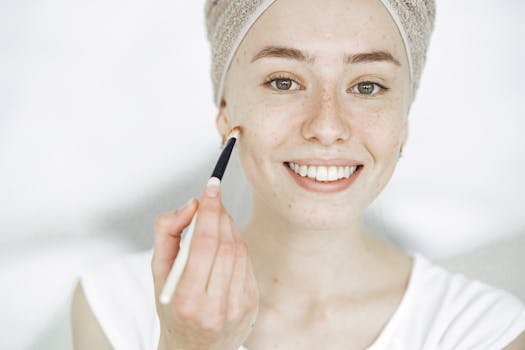 Photo: Gustavo Fring / Pexels
Exfoliation is a cornerstone of effective skincare, a process that removes dead skin cells from the outermost layer of your skin, the stratum corneum. Our skin naturally renews itself approximately every 28 days, a process known as cellular turnover. However, various factors can impede this natural shedding, leading to a buildup of dead cells. This accumulation can result in a dull complexion, clogged pores, uneven skin tone, and a rough texture. By actively assisting this process, exfoliation reveals the fresher, brighter skin underneath, allowing skincare products to penetrate more effectively and improving overall skin health and appearance.
There are primarily two categories of exfoliation: physical and chemical. Physical exfoliation involves manually scrubbing or rubbing the skin with abrasive particles or tools. Think of facial scrubs with microbeads (though these are largely phased out due to environmental concerns, natural alternatives like jojoba beads or finely milled oats are used), cleansing brushes, or even dermaplaning. The immediate gratification of smoother skin after a physical scrub can be appealing, but it carries a higher risk of irritation, especially if done too aggressively or with harsh ingredients. The key is to use gentle, rounded particles and a light touch to avoid micro-tears in the skin.
Chemical exfoliation, on the other hand, uses acids to dissolve the 'glue' that holds dead skin cells together. Alpha Hydroxy Acids (AHAs) like glycolic and lactic acid work on the skin's surface, improving texture and tone, and are water-soluble. Beta Hydroxy Acids (BHAs) like salicylic acid are oil-soluble, allowing them to penetrate deeper into pores, making them excellent for acne-prone and oily skin. Polyhydroxy Acids (PHAs) are a newer generation of chemical exfoliants, known for their larger molecular structure, which means they penetrate the skin more slowly and are generally gentler, making them suitable for sensitive skin. Chemical exfoliants offer a more even and controlled exfoliation, often with less risk of physical damage compared to harsh scrubs.
Understanding the mechanism of action for each type is crucial for determining how often should you exfoliate your face. Over-exfoliation, regardless of the method, can strip the skin of its natural oils, compromise the skin barrier, and lead to increased sensitivity, redness, breakouts, and even premature aging. The goal is to find a balance that encourages healthy cell turnover without causing damage. The benefits of proper exfoliation extend beyond just a brighter complexion; it can improve the efficacy of serums and moisturizers, help reduce the appearance of fine lines, and even out skin discoloration. However, it's a powerful tool that requires careful consideration and a deep understanding of your own skin's needs. For more insights on general skincare practices, explore this comprehensive
guide to building a skincare routine. The delicate balance between encouraging renewal and protecting the skin barrier is what we aim to achieve with optimal exfoliation frequency.
Tailoring Exfoliation Frequency to Your Skin Type
 Photo: Antonius Ferret / Pexels
The question of how often should you exfoliate your face doesn't have a universal answer; it's highly individual and depends predominantly on your skin type. What works wonders for one person could be detrimental to another. Let's break down the recommendations based on common skin classifications:
**Oily and Acne-Prone Skin:** Individuals with oily skin often experience a faster buildup of dead skin cells and excess sebum, which can lead to clogged pores and breakouts. For this skin type, exfoliating 2-3 times a week is often beneficial. BHAs, particularly salicylic acid, are excellent choices as they are oil-soluble and can penetrate into the pores to dissolve sebum and dead skin. Glycolic acid (an AHA) can also be effective for surface exfoliation and improving overall texture. Regular, but not excessive, exfoliation can help keep pores clear and reduce the frequency of breakouts.
**Normal and Combination Skin:** If you have normal skin, characterized by balanced oil production and minimal concerns, or combination skin, which has oily and dry areas, you can typically exfoliate 1-2 times a week. This frequency is usually sufficient to maintain a healthy glow and prevent dead cell buildup without causing irritation. Both AHAs and gentle physical exfoliants can be suitable. For combination skin, you might consider using a BHA on oilier zones (like the T-zone) and an AHA or PHA on drier areas, or opt for a product that combines gentle acids.
**Dry Skin:** Dry skin tends to have a compromised skin barrier and can be more prone to irritation. Over-exfoliation can exacerbate dryness and flakiness. For dry skin, exfoliating once a week, or even every 10-14 days, is often enough. Gentle AHAs, such as lactic acid, are preferred because they are hydrating and less irritating than glycolic acid. PHAs are also an excellent choice due to their mild nature. Avoid harsh physical scrubs, which can strip essential oils and worsen dryness.
**Sensitive Skin:** This is perhaps the most delicate skin type when it comes to exfoliation. Sensitive skin reacts easily to active ingredients, leading to redness, stinging, and discomfort. For sensitive skin, exfoliation should be approached with extreme caution. Start with once every two weeks, or even once a month, and observe your skin's reaction closely. PHAs are the gold standard for sensitive skin due to their large molecular size and gentle action. Enzyme exfoliants (from fruits like papaya or pineapple) are another mild option that can effectively remove dead cells without harsh acids or abrasive particles. Always patch test new products and prioritize products specifically formulated for sensitive skin.
**Mature Skin:** As we age, cellular turnover naturally slows down, making exfoliation even more important to maintain skin radiance and address concerns like fine lines and uneven tone. Mature skin can often benefit from 1-2 times a week exfoliation. AHAs, especially glycolic and lactic acid, are popular for their ability to improve texture, reduce the appearance of wrinkles, and boost collagen production. However, mature skin can also be thinner and more delicate, so listening to your skin and avoiding over-exfoliation is crucial. Hydration after exfoliation is particularly important for mature skin. Regardless of your skin type, always introduce new exfoliants gradually. Start with a lower frequency and concentration, and only increase if your skin shows no signs of irritation. The goal is to achieve a healthy, radiant complexion, not to strip your skin bare.
Choosing Your Exfoliant: Physical vs. Chemical and Product Recommendations
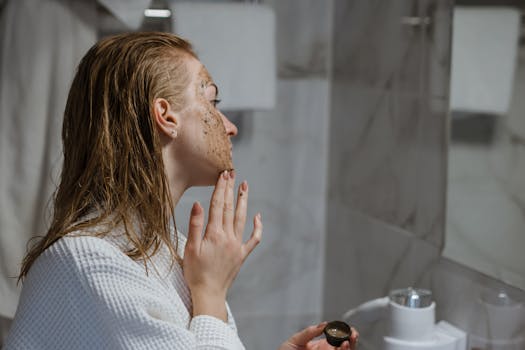 Photo: Polina ⠀ / Pexels
Deciding between physical and chemical exfoliants, and then selecting the right product within those categories, is a critical step in answering how often should you exfoliate your face effectively and safely. Each method has its unique advantages and considerations, and the best choice often depends on your skin type, concerns, and personal preferences.
**Physical Exfoliants:** These work by physically sloughing off dead skin cells. They include:
* **Scrubs:** Look for scrubs with fine, uniform, and rounded particles (like jojoba beads, finely milled rice powder, or colloidal oatmeal) to minimize the risk of micro-tears. Avoid scrubs with irregular or sharp particles like crushed nut shells, which can be too abrasive. Gentle scrubs are best used 1-2 times a week, primarily for normal, oily, or combination skin. Sensitive and dry skin types should approach with extreme caution or avoid them altogether.
* **Cleansing Brushes:** Devices like sonic cleansing brushes can provide a deeper clean and gentle physical exfoliation. They can be used daily or every other day for some skin types, but for exfoliation purposes, 2-3 times a week is generally sufficient. Ensure you use the softest brush heads and don't press too hard. Overuse can lead to irritation.
* **Dermaplaning:** This professional or at-home treatment uses a sterile blade to gently scrape off dead skin cells and vellus hair (peach fuzz). It offers immediate smoothness and better product penetration. At-home dermaplaning should be done cautiously, typically once every 3-4 weeks, while professional treatments might be spaced further apart. It's generally suitable for most skin types, but not for active acne or highly sensitive skin.
**Chemical Exfoliants:** These use acids or enzymes to dissolve dead skin cells. They are often considered more effective and gentler than harsh physical scrubs when used correctly.
* **Alpha Hydroxy Acids (AHAs):** Glycolic Acid (strongest, best for texture, anti-aging), Lactic Acid (milder, hydrating, good for dry/sensitive), Mandelic Acid (very gentle, good for sensitive/acne-prone, darker skin tones). AHAs are water-soluble and work on the skin's surface. They are excellent for improving skin tone, texture, and reducing hyperpigmentation. Products range from toners and serums to masks. For most, 2-3 times a week is a good starting point, adjusting based on skin response.
* **Beta Hydroxy Acids (BHAs):** Salicylic Acid is the most common BHA. It's oil-soluble, meaning it can penetrate into pores to dissolve sebum and dead skin cells, making it ideal for oily, acne-prone, and blackhead-prone skin. It also has anti-inflammatory properties. BHAs can often be used 2-3 times a week, or even daily in lower concentrations, depending on tolerance.
* **Polyhydroxy Acids (PHAs):** Gluconolactone and Lactobionic Acid are common PHAs. They have larger molecular structures than AHAs, meaning they penetrate the skin more slowly and are less irritating. They also offer humectant (moisture-attracting) and antioxidant benefits. PHAs are excellent for sensitive, dry, and mature skin, and can often be used 2-4 times a week, or even daily in some formulations.
* **Enzyme Exfoliants:** Derived from fruits like papaya (papain) and pineapple (bromelain), these enzymes gently digest dead skin cells without altering the skin's pH significantly. They are very mild and suitable for all skin types, especially sensitive skin. They are typically found in masks and can be used 1-2 times a week.
When choosing a product, always read the ingredient list and start with lower concentrations, especially if you're new to chemical exfoliation. Patch testing is highly recommended. Remember that combining multiple types of exfoliants (e.g., a BHA toner and an AHA serum) or using them too frequently can lead to over-exfoliation. It's generally best to stick to one primary exfoliant at a time, or alternate them on different days if your skin is tolerant. For more on product selection, consider consulting resources like this
guide to effective skincare ingredients.
Common Exfoliation Mistakes and How to Avoid Them
 Photo: Alexander Krivitskiy / Pexels
While exfoliation is a powerful tool for achieving radiant skin, it's also one of the easiest steps to get wrong. Making mistakes can lead to irritation, breakouts, and even long-term damage to your skin barrier. Understanding these pitfalls is crucial in determining how often should you exfoliate your face effectively and safely. Here are some common exfoliation mistakes and how to avoid them:
* **Over-Exfoliating:** This is perhaps the most common and damaging mistake. Symptoms include redness, excessive dryness, flakiness, tightness, increased sensitivity, stinging when applying other products, and even new breakouts. Your skin barrier becomes compromised, making it vulnerable to environmental aggressors and moisture loss. To avoid this, always start with a low frequency (e.g., once a week) and gradually increase only if your skin tolerates it. Listen to your skin – if it feels tight or irritated, reduce frequency or stop for a few days.
* **Using Harsh Physical Scrubs:** Scrubs with large, irregular, or sharp particles (like crushed walnut shells or apricot pits) can create micro-tears in the skin, leading to inflammation and potential infection. Always opt for scrubs with fine, rounded particles or consider chemical exfoliants as a gentler alternative. Apply physical scrubs with a light touch, never aggressively.
* **Skipping SPF:** Exfoliation removes the top layer of dead skin cells, revealing fresh, new skin that is more susceptible to sun damage. Failing to apply broad-spectrum sunscreen (SPF 30 or higher) daily after exfoliating can lead to hyperpigmentation, sun spots, and increased risk of premature aging. Sun protection is non-negotiable, especially when exfoliating.
* **Combining Too Many Actives:** Using multiple strong active ingredients (like retinoids, Vitamin C, and multiple types of exfoliants) simultaneously can overwhelm and irritate the skin. If you use a retinoid, you might need to reduce your exfoliation frequency or use very mild exfoliants. Introduce new actives one at a time and space them out to prevent irritation.
* **Exfoliating Irritated or Compromised Skin:** Never exfoliate skin that is already inflamed, sunburned, has active breakouts (especially cystic acne), or has open wounds. This will only worsen the condition and delay healing. Allow your skin to heal completely before reintroducing exfoliation.
* **Not Hydrating After Exfoliation:** Exfoliation can temporarily strip some moisture from the skin. Immediately following exfoliation with a hydrating serum (like hyaluronic acid) and a rich moisturizer helps to replenish moisture, soothe the skin, and support the skin barrier. This step is vital for maintaining skin health and preventing dryness.
* **Ignoring Your Skin's Signals:** Your skin is constantly communicating with you. If it feels tight, itchy, red, or stings, it's a sign to back off. Don't push through discomfort in the name of achieving results. Adjust your routine based on how your skin responds, not just on general recommendations.
* **Using Dirty Tools:** If you use physical exfoliating tools like cleansing brushes or dermaplaning devices, ensure they are clean and sterilized according to manufacturer instructions. Dirty tools can harbor bacteria, leading to breakouts and infections.
By being mindful of these common mistakes and adjusting your routine accordingly, you can harness the full benefits of exfoliation without compromising your skin's health. The key is balance, gentleness, and consistent attention to your skin's unique needs.