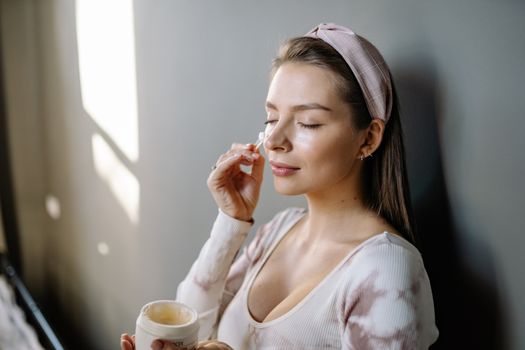
How to Get Rid of Dark Circles Under Eyes: Your Ultimate Guide
how to get rid of dark circles under eyes

How to Get Rid of Dark Circles Under Eyes: Your Ultimate Guide

Uncover the secrets to banishing persistent dark circles and revealing a more refreshed, vibrant appearance.

Start Your Journey to Brighter Eyes

Key Takeaways

  • ✓ Dark circles can be caused by genetics, lack of sleep, allergies, dehydration, and sun exposure.
  • ✓ Topical treatments containing ingredients like caffeine, vitamin C, retinol, and hyaluronic acid can be highly effective.
  • ✓ Lifestyle adjustments, including adequate sleep and hydration, are foundational for improvement.
  • ✓ Advanced treatments like laser therapy, fillers, and chemical peels offer more dramatic, long-lasting results.

How It Works

1
Identify the Root Cause

Understanding whether your dark circles are due to pigmentation, thin skin, or puffiness is crucial. This will guide you toward the most effective solutions.

2
Implement Lifestyle Changes

Prioritize 7-9 hours of sleep, stay well-hydrated, manage allergies, and protect your skin from sun damage. These foundational habits significantly impact under-eye appearance.

3
Incorporate Targeted Skincare

Select eye creams and serums with active ingredients designed to address your specific concern. Consistency is key for visible improvement over time.

4
Explore Professional Treatments (If Needed)

For stubborn or severe dark circles, consult a dermatologist to discuss in-office procedures. Options range from injectables to advanced light therapies.

Understanding the Causes of Dark Circles Under Eyes

Woman receiving a facial consultation from a cosmetologist in a clinic. Photo: Anna Shvets / Pexels
Dark circles under the eyes are a common cosmetic concern, afflicting individuals across all ages and demographics. While often associated with fatigue, their origins are far more complex and varied. To effectively address how to get rid of dark circles under eyes, it's paramount to first understand what causes them. One of the primary culprits is genetics. If your parents or close relatives have prominent dark circles, there's a higher likelihood you will too. This genetic predisposition often manifests as thinner skin under the eyes, making blood vessels more visible, or an inherited tendency for hyperpigmentation in the periorbital area. Another significant factor is a lack of adequate sleep. When you don't get enough rest, your blood vessels can dilate, leading to increased blood flow that becomes more apparent through the delicate skin under your eyes. Sleep deprivation also contributes to fluid retention, causing puffiness that can cast shadows and make dark circles appear more pronounced. Dehydration is closely linked to this; when your body lacks sufficient water, the skin around your eyes can look dull and sunken, emphasizing any underlying darkness. Allergies, especially seasonal ones or those related to dust mites and pet dander, can also be a major contributor. Allergic reactions often trigger histamine release, which causes blood vessels to dilate and can lead to inflammation and fluid accumulation. The constant rubbing or itching associated with allergies can further irritate the skin, leading to post-inflammatory hyperpigmentation. Sun exposure is yet another critical factor. Ultraviolet (UV) rays can damage the delicate collagen and elastin fibers in the under-eye area, leading to thinner skin and increased visibility of blood vessels. Moreover, sun exposure stimulates melanin production, which can result in darker pigmentation under the eyes. Age is an unavoidable factor. As we get older, our skin naturally thins and loses collagen and fat, making the blood vessels beneath the eyes more visible. The hollowing of the tear trough area, a natural part of the aging process, can also create shadows that give the illusion of dark circles. Dietary habits, such as excessive salt intake, can lead to fluid retention and puffiness, exacerbating the appearance of dark circles. Iron deficiency anemia can also contribute, as it reduces oxygen flow to tissues, making the skin appear paler and the blood vessels more prominent. Understanding these diverse causes is the first step toward formulating a targeted and effective strategy for how to get rid of dark circles under eyes and achieving a more refreshed appearance. For more insights into comprehensive skincare, explore our guide to healthy skin habits.

Effective Home Remedies and Lifestyle Changes for Under-Eye Darkness

While professional treatments offer advanced solutions, many individuals can see significant improvement in how to get rid of dark circles under eyes by implementing consistent home remedies and making strategic lifestyle adjustments. These foundational steps are often the most accessible and cost-effective starting points. **Prioritize Sleep:** This cannot be stressed enough. Aim for 7-9 hours of quality sleep per night. Elevating your head slightly with an extra pillow can help prevent fluid from pooling under your eyes, reducing morning puffiness. Establishing a regular sleep schedule, even on weekends, can regulate your body's circadian rhythm and improve overall skin health. **Stay Hydrated:** Drinking plenty of water throughout the day is vital. Dehydration can make the skin appear dull and cause blood vessels to be more prominent. Aim for at least eight glasses of water daily, and consider incorporating hydrating foods like cucumbers and watermelon into your diet. **Manage Allergies:** If allergies are a known cause, consult with a doctor to find appropriate antihistamines or other management strategies. Avoiding known allergens and using a saline nasal rinse can also help reduce inflammation around the eyes. Refrain from rubbing your eyes, as this can worsen hyperpigmentation and irritation. **Sun Protection is Key:** The delicate skin under your eyes is highly susceptible to sun damage. Always apply a broad-spectrum sunscreen with an SPF of 30 or higher, specifically formulated for the face, and wear sunglasses that block 99-100% of UV rays when outdoors. A wide-brimmed hat offers additional protection. **Cold Compresses:** Applying a cold compress can constrict blood vessels, reducing puffiness and the appearance of dark circles. You can use chilled cucumber slices, cold tea bags (green tea contains antioxidants and caffeine), or a cold gel mask for 10-15 minutes. **Dietary Considerations:** Reduce sodium intake, which can lead to fluid retention. Increase your consumption of iron-rich foods (lean meats, spinach, beans) if anemia is a concern, and incorporate foods high in Vitamin C and K, which can strengthen capillary walls and improve circulation. **Gentle Eye Massage:** A gentle massage can improve circulation and lymphatic drainage. Using your ring finger, lightly tap or gently roll a jade roller around the orbital bone, moving from the inner corner outwards. Be extremely gentle to avoid stretching the delicate skin. Consistency is the cornerstone of success with home remedies. While results may not be immediate, a dedicated approach to these lifestyle changes can significantly improve the appearance of dark circles over time, laying a strong foundation for any further treatments you might consider.

Topical Treatments and Advanced Solutions for Persistent Dark Circles

When home remedies and lifestyle adjustments aren't enough to achieve the desired results, topical treatments and advanced clinical solutions offer more targeted and potent strategies for how to get rid of dark circles under eyes. The key is to select products and procedures that address the specific cause of your dark circles. **Effective Eye Cream Ingredients:** * **Caffeine:** A powerful vasoconstrictor, caffeine helps to temporarily reduce puffiness and constrict blood vessels, making dark circles less noticeable. It also has antioxidant properties. * **Vitamin C:** This potent antioxidant brightens the skin, inhibits melanin production, and boosts collagen synthesis, which can thicken thin under-eye skin. * **Retinol (Vitamin A derivatives):** Retinol encourages cell turnover and collagen production, helping to thicken the skin and reduce hyperpigmentation over time. Start with a low concentration to avoid irritation in this sensitive area. * **Hyaluronic Acid:** While not directly targeting darkness, hyaluronic acid provides intense hydration, plumping the skin and reducing the appearance of shadows caused by dehydration or volume loss. * **Niacinamide (Vitamin B3):** Niacinamide improves skin elasticity, reduces hyperpigmentation, and strengthens the skin barrier. * **Peptides:** These amino acid chains signal the skin to produce more collagen and elastin, improving firmness and reducing fine lines. **Advanced Professional Treatments:** For more stubborn cases, a dermatologist can offer a range of in-office procedures: * **Dermal Fillers:** If dark circles are due to volume loss or a deep tear trough, hyaluronic acid fillers (like Restylane or Juvéderm) can be injected to plump the area, reducing shadows and creating a smoother transition from the lower eyelid to the cheek. Results are immediate and last 6-18 months. * **Laser Therapy:** Various lasers, such as fractional lasers or intense pulsed light (IPL), can target pigmentation (brown dark circles) or vascular issues (blue/purple dark circles) by breaking down melanin or constricting blood vessels. They can also stimulate collagen production to improve skin texture and thickness. * **Chemical Peels:** Gentle chemical peels, often containing alpha hydroxy acids (AHAs) or trichloroacetic acid (TCA) in low concentrations, can exfoliate the top layer of skin, reducing hyperpigmentation and promoting cell renewal. * **Platelet-Rich Plasma (PRP) Therapy:** PRP involves drawing your blood, processing it to concentrate platelets, and then injecting the platelet-rich plasma into the under-eye area. Growth factors in PRP stimulate collagen production and improve skin quality. * **Blepharoplasty:** In cases where excess fat or skin contributes significantly to under-eye bags and shadows, a surgical procedure called lower eyelid blepharoplasty can remove or reposition fat and tighten skin for a more permanent solution. Consulting a board-certified dermatologist is crucial to determine the most appropriate and safe treatment plan based on the underlying cause of your dark circles and your individual skin type. Combining professional treatments with diligent at-home care often yields the most impressive and lasting results. For deeper dives into advanced skincare, see our article on anti-aging skincare routines.

Common Mistakes to Avoid and Expert Tips for Brighter Eyes

When trying to figure out how to get rid of dark circles under eyes, it's easy to fall into common traps or overlook simple yet impactful strategies. Avoiding these pitfalls and adopting expert tips can significantly accelerate your journey to brighter, more refreshed eyes. **Common Mistakes to Avoid:** * **Over-rubbing your eyes:** This can worsen hyperpigmentation, break delicate capillaries, and irritate the skin. * **Using harsh cleansers or makeup removers:** The skin around your eyes is incredibly thin and sensitive. Opt for gentle, hydrating formulas. * **Skipping sunscreen:** UV exposure is a major contributor to dark circles and premature aging. Don't forget this crucial step! * **Expecting overnight results:** Topical treatments and lifestyle changes require consistency and patience. Visible improvements often take weeks or even months. * **Ignoring allergies:** Untreated allergies can lead to chronic inflammation and rubbing, exacerbating dark circles. * **Applying too much product:** A pea-sized amount of eye cream is usually sufficient. Over-application doesn't necessarily yield better results and can sometimes cause irritation or milia. * **Relying solely on makeup:** While concealer is a great temporary fix, it doesn't address the underlying cause. Focus on treatment first, then enhance with makeup. **Expert Tips for Brighter Eyes:** * **Patch Test New Products:** Always test a new eye cream or serum on a small, inconspicuous area of skin before applying it widely, especially if you have sensitive skin. * **Apply Eye Cream Correctly:** Use your ring finger, which exerts the least pressure, to gently pat the product around the orbital bone, not directly on the lash line. * **Incorporate a Retinoid Gradually:** If using a retinol eye cream, start with a low concentration 2-3 times a week and increase frequency as your skin tolerates it to minimize irritation. * **Stay Consistent with Routine:** The most effective routines are those you can stick to daily. Make your eye care a non-negotiable part of your morning and evening regimen. * **Consider a Humidifier:** If you live in a dry climate or sleep with air conditioning/heating, a humidifier can help keep your skin, including the delicate under-eye area, better hydrated. * **Manage Stress:** Chronic stress can impact sleep quality and overall skin health. Practice stress-reduction techniques like meditation or yoga. * **Seek Professional Advice:** For persistent dark circles that don't respond to at-home care, a consultation with a dermatologist can provide tailored advice and advanced treatment options. They can accurately diagnose the cause and recommend the most effective solutions. Remember, a holistic approach combining internal wellness, diligent skincare, and targeted treatments is often the most successful strategy for achieving and maintaining brighter, more youthful-looking eyes.

Comparison

FeatureHome RemediesTopical CreamsDermal FillersLaser Treatment
CostLowMediumHighHigh
InvasivenessNoneNoneMinimalMinimal
Results SpeedSlow/GradualModerateImmediateModerate
Duration of ResultsOngoing (with consistency)Ongoing (with consistency)6-18 MonthsLong-lasting (multiple sessions)
Addresses Pigmentation✓ (some)
Addresses Volume Loss
Addresses Vascularity✓ (cold compress)✓ (caffeine)
Recovery TimeNoneNoneMinimal (bruising)Minimal (redness/swelling)

What Readers Say

"I've struggled with dark circles my entire adult life, making me look perpetually tired. Following this guide's advice on sleep and hydrating eye creams has made a noticeable difference in how to get rid of dark circles under eyes for me. My eyes look so much brighter now!"

Sarah J. · Austin, TX

"I was skeptical about home remedies, but the cold compress and allergy management tips here were game-changers. My puffy, dark under-eyes are significantly reduced, and I feel much more confident."

Mark D. · Chicago, IL

"After trying countless expensive creams, this article helped me understand the real cause of my dark circles (volume loss). A dermatologist recommended fillers, and the results for how to get rid of dark circles under eyes were truly transformative, exactly as described here."

Emily R. · Los Angeles, CA

"The information on different ingredients for eye creams was incredibly helpful. I've been using a Vitamin C and retinol cream for a month, and while not completely gone, my dark circles are definitely lighter. It takes time, but I'm seeing progress."

David P. · Miami, FL

"As someone with sensitive skin, I appreciated the emphasis on gentle products and patch testing. I've found a routine that works without irritation, and I'm finally seeing improvements in how to get rid of dark circles under eyes without redness or discomfort."

Jessica L. · Seattle, WA

Frequently Asked Questions

What is the fastest way to get rid of dark circles under eyes?

The 'fastest' way often depends on the cause. For immediate, temporary relief of puffiness and some darkness, a cold compress can constrict blood vessels. Dermal fillers offer immediate results for volume loss. For hyperpigmentation, consistent use of topical treatments or laser therapy will show results over weeks to months.

Are dark circles under eyes a sign of an underlying health issue?

While often cosmetic, persistent dark circles can sometimes indicate dehydration, iron deficiency anemia, thyroid issues, or significant allergies. If you have concerns, especially if accompanied by other symptoms, it's always best to consult a doctor to rule out any underlying health conditions.

How do I choose the best eye cream for my dark circles?

Identify the primary cause: for pigmentation, look for Vitamin C, retinol, or niacinamide; for puffiness, caffeine is key; for thin skin, retinol and peptides can help build collagen. Consider your skin type and start with lower concentrations of active ingredients, especially retinol.

How much do professional treatments for dark circles cost?

Costs vary widely based on the treatment type, geographic location, and provider. Dermal fillers can range from $500-$1500 per syringe and typically last 6-18 months. Laser treatments can be $300-$800 per session, often requiring multiple sessions. Consult with a dermatologist for a personalized quote.

Is concealer enough to cover dark circles, or do I need treatment?

Concealer is an excellent temporary cosmetic solution for covering dark circles, offering immediate visual improvement. However, it doesn't address the underlying causes. For long-term improvement and healthier skin, combining concealer with targeted treatments and lifestyle changes is recommended.

Who should consider professional treatments for dark circles?

Individuals with severe or persistent dark circles that haven't responded to consistent at-home care and topical treatments should consider professional options. This includes those with significant volume loss, deep pigmentation, or prominent vascular issues that require more advanced interventions.

Are there any risks associated with treatments like fillers or lasers for dark circles?

Like any medical procedure, there are potential risks. Fillers can cause bruising, swelling, or, in rare cases, vascular complications if not administered correctly. Lasers can lead to temporary redness, swelling, or hyperpigmentation. Choosing a board-certified dermatologist or plastic surgeon is crucial to minimize risks.

What are the future trends in treating dark circles under eyes?

Future trends point towards more personalized treatments based on genetic predispositions and advanced diagnostics. Expect innovations in topical formulations with novel peptides and growth factors, more refined and safer injectable techniques, and combination therapies that address multiple causes simultaneously for comprehensive results.

Embark on your journey to brighter, more youthful eyes today. By understanding the causes and applying the right strategies, you can effectively learn how to get rid of dark circles under eyes and reveal a more refreshed, confident you.

Topics: how to get rid of dark circles under eyesunder eye bags treatmentpuffy eyes remediesbrighten under eyesdark circles causes
Leo List
Brampton weed
Adultwork