How to Prevent Acne Breakouts Naturally: Your Ultimate Guide
prevent acne naturally

How to Prevent Acne Breakouts Naturally: Your Ultimate Guide

Unlock the secrets to a blemish-free complexion with our comprehensive guide to natural acne prevention strategies.

Start Your Clear Skin Journey

Key Takeaways

  • ✓ Acne is primarily caused by a combination of oil production, dead skin cells, bacteria, and inflammation.
  • ✓ Diet plays a significant role in skin health; inflammatory foods can exacerbate breakouts.
  • ✓ Stress management is crucial, as stress hormones can trigger increased oil production.
  • ✓ A consistent, gentle skincare routine is more effective than aggressive treatments for prevention.

How It Works

1
Understand Your Skin's Triggers

Identify what factors, from diet to stress, might be contributing to your breakouts. This personalized insight is key to effective prevention.

2
Adopt a Holistic Approach

Combine topical natural remedies with dietary adjustments, stress reduction techniques, and proper hydration. True prevention works from the inside out and outside in.

3
Implement a Gentle Skincare Routine

Choose non-comedogenic, natural products and maintain a consistent cleansing, toning, and moisturizing regimen. Avoid harsh scrubbing or over-washing that can irritate skin.

4
Maintain Consistency and Patience

Natural methods require time to show results, so stick with your new habits for at least several weeks. Long-term commitment yields the best and most sustainable outcomes.

Understanding the Root Causes of Acne for Natural Prevention

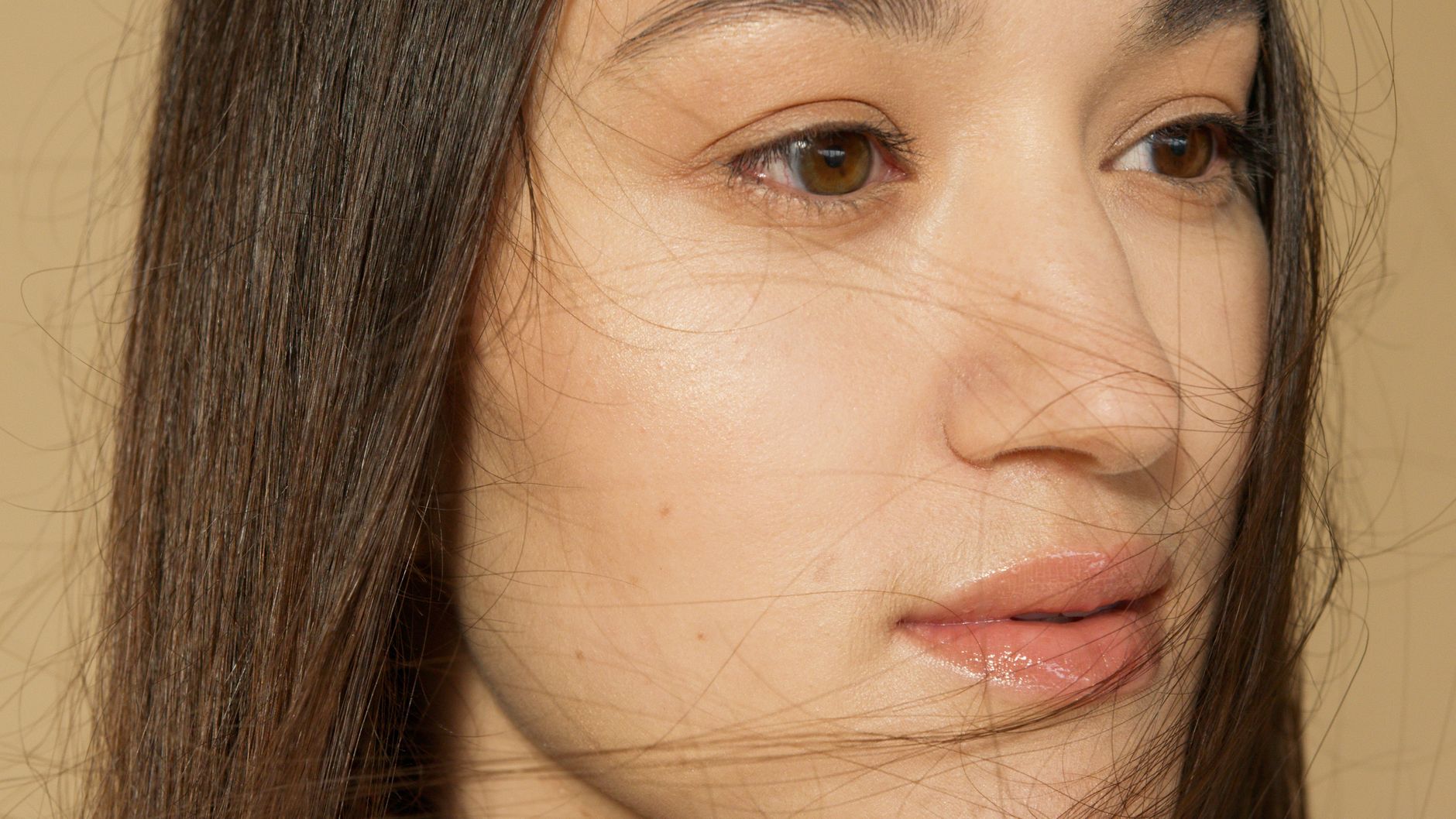
Detailed close-up of an eye showcasing intricate iris patterns and eyelashes. Photo: Tayla Walsh / Pexels
Before diving into specific natural remedies, it's crucial to understand why acne occurs in the first place. Acne is not just a surface-level problem; it's a complex interplay of several factors, and addressing these root causes is the cornerstone of how to prevent acne breakouts naturally. At its core, acne develops when hair follicles become clogged with oil (sebum) and dead skin cells. This creates an ideal environment for bacteria, particularly *Propionibacterium acnes* (P. acnes), to thrive, leading to inflammation, redness, and the formation of pimples, blackheads, whiteheads, cysts, and nodules. One of the primary internal factors is hormonal fluctuations. Androgens, male hormones present in both men and women, increase during puberty, leading to an enlargement of sebaceous glands and increased sebum production. This excess oil can easily clog pores. Other hormonal shifts, such as those during menstrual cycles, pregnancy, or conditions like Polycystic Ovary Syndrome (PCOS), can also trigger breakouts. Understanding your hormonal patterns can help you anticipate and mitigate potential flare-ups through targeted lifestyle adjustments and natural support. Diet plays a surprisingly significant role. While chocolate and greasy foods aren't direct causes, certain dietary patterns can exacerbate acne. High glycemic index foods (like refined carbohydrates and sugars) cause rapid spikes in blood sugar, which can lead to increased insulin production. Insulin, in turn, can stimulate androgen hormones and sebum production, contributing to acne. Dairy products have also been linked to acne in some individuals, possibly due to hormones present in milk. An anti-inflammatory diet rich in fruits, vegetables, lean proteins, and healthy fats can significantly improve skin health. For more insights on dietary impacts, check out our guide on skin-friendly nutrition. Stress is another major culprit. When we're stressed, our bodies release hormones like cortisol, which can signal the sebaceous glands to produce more oil. While stress doesn't directly cause acne, it can certainly worsen existing conditions and trigger new breakouts. Managing stress through techniques like meditation, yoga, regular exercise, and adequate sleep is a vital, yet often overlooked, component of natural acne prevention. Chronic stress can also impair the immune system, making your skin more susceptible to bacterial infections and inflammation. Genetics also play a part. If your parents had acne, you're more likely to experience it yourself. While you can't change your genes, understanding this predisposition can empower you to be more proactive with prevention. Furthermore, certain medications, cosmetic products, and environmental factors like humidity, pollution, and friction (from hats, helmets, or tight clothing) can also contribute to breakouts. Identifying and minimizing exposure to these external triggers is essential for maintaining clear skin. A holistic understanding of these diverse factors is the first and most critical step in crafting an effective, natural strategy to prevent acne breakouts.

Nourishing Your Skin from Within: The Dietary Connection
Portrait of a smiling woman with closed eyes against blue background. Photo: Shiny Diamond / Pexels
The adage 'you are what you eat' holds particular truth when it comes to skin health and the quest for how to prevent acne breakouts naturally. What you consume directly impacts your body's inflammatory responses, hormone balance, and cellular regeneration, all of which are critical for clear skin. Shifting towards an anti-inflammatory, nutrient-dense diet is one of the most powerful natural strategies you can adopt. Start by focusing on foods with a low glycemic index. This means reducing your intake of refined sugars, white bread, pasta, and sugary drinks. Instead, opt for whole grains like oats, quinoa, and brown rice, and plenty of fresh fruits and vegetables. These foods cause a slower, more stable rise in blood sugar, which can help regulate insulin levels and, consequently, androgen production and sebum output. Berries, leafy greens, and cruciferous vegetables (like broccoli and kale) are packed with antioxidants that combat cellular damage and inflammation. Incorporating healthy fats is also crucial. Omega-3 fatty acids, found in fatty fish (salmon, mackerel), flaxseeds, chia seeds, and walnuts, are potent anti-inflammatory agents. They can help reduce the redness and swelling associated with acne and support the skin's barrier function. Conversely, try to limit omega-6 rich oils (like corn, soybean, and sunflower oil) which, in excess, can be pro-inflammatory. A balanced ratio of omega-3 to omega-6 is key. Pay attention to your gut health. The gut-skin axis is a rapidly growing area of research, suggesting a strong connection between the health of your digestive system and your skin. An imbalance in gut bacteria (dysbiosis) can lead to systemic inflammation, which may manifest as acne. Probiotic-rich foods like yogurt, kefir, sauerkraut, and kimchi can help foster a healthy gut microbiome. Prebiotic foods, such as garlic, onions, and bananas, feed these beneficial bacteria, further supporting gut health. Consider potential food sensitivities. While not everyone is affected, some individuals find that dairy, gluten, or specific allergens can trigger or worsen their acne. If you suspect a sensitivity, an elimination diet under the guidance of a healthcare professional can help you identify trigger foods. Hydration is also paramount; drinking plenty of water helps flush toxins from the body and keeps skin cells plump and functioning optimally. Herbal teas like spearmint tea have shown promise in reducing androgen levels and improving hormonal acne. By making conscious, consistent dietary choices, you can provide your skin with the internal support it needs to stay clear and healthy, making the journey to prevent acne breakouts naturally a much smoother one.

Crafting a Gentle & Effective Natural Skincare Routine
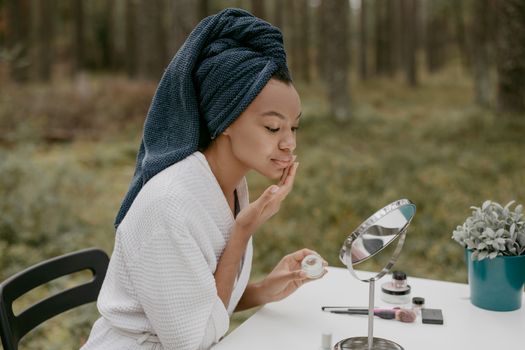
A woman in a bathrobe applies face cream in a serene outdoor environment. Photo: cottonbro studio / Pexels
While internal health is paramount, external care plays an equally vital role in how to prevent acne breakouts naturally. The right skincare routine, focused on gentle, non-comedogenic natural products, can make a significant difference in keeping your pores clear and your skin calm. Aggressive scrubbing or harsh chemicals can strip the skin's natural barrier, leading to irritation, increased oil production, and more breakouts. The goal is to support your skin's natural functions, not to wage war on it. Start with a gentle cleanser. Look for natural, sulfate-free cleansers that won't strip your skin of its natural oils. Ingredients like tea tree oil (diluted), salicylic acid derived from willow bark, or witch hazel can be beneficial for their antibacterial and anti-inflammatory properties. Cleanse twice daily – once in the morning to remove overnight accumulation of oils and dead cells, and once at night to wash away makeup, pollution, and grime. Always use lukewarm water, as hot water can irritate and dry out the skin, prompting it to produce more oil. Pat your face dry with a clean towel; do not rub. After cleansing, a natural toner can help balance your skin's pH, remove any lingering impurities, and prepare your skin for subsequent treatments. Witch hazel, rose water, or diluted apple cider vinegar (1 part ACV to 3-4 parts water) are excellent natural options. Apply with a cotton pad, gently sweeping across your face, avoiding the eye area. Moisturizing is non-negotiable, even for oily or acne-prone skin. Dehydrated skin can overcompensate by producing more sebum, leading to further breakouts. Choose a lightweight, non-comedogenic moisturizer that won't clog pores. Natural options include aloe vera gel, jojoba oil (which mimics the skin's natural sebum, helping to regulate oil production), or squalane oil. Apply while your skin is still slightly damp to lock in moisture. For targeted treatment, consider natural spot treatments like diluted tea tree oil, bentonite clay masks, or Manuka honey, known for its antibacterial properties. These can be applied to individual blemishes or used as weekly masks. Sun protection is another critical step. Many acne treatments can increase sun sensitivity, and sun exposure itself can trigger inflammation and post-inflammatory hyperpigmentation (dark spots) after breakouts. Use a broad-spectrum mineral sunscreen with at least SPF 30 daily, even on cloudy days. Look for zinc oxide or titanium dioxide as active ingredients. Remember to also regularly clean anything that touches your face, such as phone screens, pillowcases, and makeup brushes. This meticulous approach to your external routine, combined with internal care, is key to achieving and maintaining a clear complexion. For more product recommendations, explore our insights on clean beauty essentials.

Lifestyle Adjustments & Common Mistakes to Avoid for Clear Skin
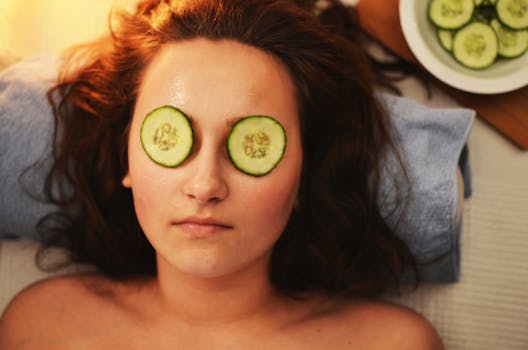
Woman enjoying a relaxing cucumber facial treatment at a spa for skin care and rejuvenation. Photo: Breakingpic / Pexels
Beyond diet and skincare, several lifestyle adjustments can significantly impact your ability to prevent acne breakouts naturally. These often-overlooked factors can either sabotage your efforts or provide the crucial support your skin needs to heal and stay clear. Addressing these elements holistically ensures a comprehensive approach to acne prevention. **Stress Management:** As discussed, stress can trigger hormonal responses that lead to increased sebum production. Incorporate stress-reduction techniques into your daily routine. This could be anything from daily meditation or mindfulness exercises, practicing deep breathing, engaging in regular physical activity, spending time in nature, or pursuing hobbies that bring you joy. Prioritizing mental well-being is not just good for your mind, but profoundly beneficial for your skin. **Adequate Sleep:** Sleep is when your body repairs and regenerates. Chronic sleep deprivation can increase cortisol levels, leading to inflammation and breakouts. Aim for 7-9 hours of quality sleep per night. Establish a consistent sleep schedule and create a relaxing bedtime routine to improve sleep quality. **Regular Exercise:** Physical activity improves circulation, which helps deliver oxygen and nutrients to skin cells and carries away waste products. It also helps reduce stress. Just remember to cleanse your face immediately after sweating to prevent sweat and bacteria from clogging pores. **Hydration:** Drinking enough water helps maintain skin elasticity, flushes toxins, and supports overall cellular function. Aim for at least eight glasses of water daily, more if you're active or in a hot climate. **Common Mistakes to Avoid:** * **Over-washing or harsh scrubbing:** This strips your skin's natural protective barrier, leading to irritation and potentially more oil production. * **Picking or squeezing pimples:** This can push bacteria deeper, cause more inflammation, lead to scarring, and spread infection. * **Using comedogenic products:** Always check product labels for terms like 'non-comedogenic' or 'non-acnegenic' in makeup, skincare, and even hair products. * **Not cleaning phone screens, pillowcases, and hats:** These accumulate bacteria and oil that can transfer to your face. Change pillowcases every 2-3 days, and regularly wipe down your phone. * **Ignoring scalp and hair care:** Oily hair or certain hair products can transfer to your forehead and hairline, causing breakouts. Wash your hair regularly, especially if you have oily hair, and keep hair products away from your face. * **Expecting instant results:** Natural prevention takes time and consistency. Be patient and give your skin several weeks to respond to new routines and lifestyle changes. By consciously integrating these lifestyle adjustments and steering clear of common pitfalls, you significantly bolster your efforts to prevent acne breakouts naturally, paving the way for consistently clearer and healthier skin.

Comparison

FeatureNatural PreventionChemical TreatmentsPrescription Meds
ApproachHolistic (diet, lifestyle, topical)Targeted topical (acids, retinoids)Systemic (antibiotics, isotretinoin)
Side EffectsMinimal, often beneficialDryness, irritation, sun sensitivitySevere (birth defects, depression, liver issues)
CostVariable (food, DIY, natural products)Moderate to HighHigh (plus doctor visits)
SustainabilityHigh, long-term health benefitsModerate, often requires continuous useLow, not for long-term use
Root Cause Focus
Skin Barrier Health
Speed of ResultsSlower (weeks-months)Faster (days-weeks)Fastest (days-weeks)
Overall Health Benefits

What Readers Say

"I was skeptical about how to prevent acne breakouts naturally, but after following this guide's advice on diet and a gentle routine, my skin has never been clearer. It's been a game-changer for my confidence!"

Sarah J. · Austin, TX

"The tips on stress management and gut health really resonated with me. Once I started incorporating those, I noticed a dramatic reduction in my hormonal breakouts. It's truly a holistic approach."

Mark D. · Seattle, WA

"My cystic acne used to be debilitating. After three months of consistent natural care, including spearmint tea and a low-GI diet as suggested, my skin is 80% clearer and the inflammation is gone."

Jessica L. · Miami, FL

"While it took longer than I expected to see significant results, the improvement is undeniable. I appreciate learning how to prevent acne breakouts naturally without relying on harsh chemicals. My skin feels healthier overall."

David R. · Denver, CO

"As someone with sensitive skin, I always reacted badly to conventional acne treatments. This guide's emphasis on gentle, natural products and diet has finally given me the clear skin I've dreamed of, without irritation."

Emily S. · Chicago, IL

Frequently Asked Questions

What is the most effective natural way to prevent acne breakouts?

The most effective natural approach combines a low-glycemic, anti-inflammatory diet, consistent gentle skincare with non-comedogenic natural products, effective stress management, and adequate sleep. Addressing acne holistically from both internal and external perspectives yields the best long-term results.

Can diet really impact acne, and what foods should I avoid?

Yes, diet significantly impacts acne. High glycemic index foods (refined sugars, white bread), excessive dairy, and processed foods can exacerbate breakouts. Focus on whole, unprocessed foods, healthy fats, and probiotics, and consider an elimination diet if you suspect specific food sensitivities.

How often should I cleanse my face when trying to prevent acne naturally?

Cleanse your face twice daily, once in the morning and once at night, using a gentle, sulfate-free cleanser. Over-washing or harsh scrubbing can strip your skin's natural barrier, leading to irritation and potentially increasing oil production, which can worsen acne.

Are natural acne prevention methods more expensive than traditional ones?

The cost can vary. While some natural products might have a higher upfront cost, many strategies like dietary changes, stress reduction, and DIY remedies can be very affordable. In the long run, avoiding harsh chemical treatments and potential side effects might even save money.

How do natural acne prevention methods compare to prescription medications?

Natural methods focus on addressing the root causes holistically, promoting overall skin and body health with minimal side effects. Prescription medications often target symptoms quickly but can have significant side effects and may not address underlying issues, making natural methods a more sustainable long-term solution.

Who should consider trying to prevent acne breakouts naturally?

Anyone looking for a sustainable, gentle, and holistic approach to skin health should consider natural acne prevention. It's particularly beneficial for individuals with sensitive skin, those who prefer to avoid harsh chemicals, or those who haven't found success with traditional treatments.

Are there any risks associated with natural acne prevention?

Generally, natural prevention methods have fewer risks than chemical treatments. However, it's important to patch-test new topical products to check for allergic reactions, and consult a healthcare professional before making significant dietary changes or if you have underlying health conditions.

What new trends are emerging in natural acne prevention?

Emerging trends include a greater focus on the gut-skin axis, personalized nutrition plans based on individual microbiome analysis, adaptogens for stress management, and advanced plant-based skincare ingredients that mimic traditional retinoids without irritation. The emphasis is increasingly on internal balance for external radiance.

Ready to transform your skin and embrace a naturally clear complexion? Start implementing these holistic strategies today and discover the power of how to prevent acne breakouts naturally for lasting radiance and confidence.

Topics: prevent acne naturallynatural acne remediesclear skin naturallyholistic acne prevention
Leo List
Brampton weed
Adultwork