How to Treat Acne Scars at Home: Your Ultimate Guide
August 11, 2026 17 min read 3,396 words
Uncover effective, accessible methods to diminish acne scars and reveal a clearer, more confident complexion right from your home.
Start Your Scar-Free Journey
Understanding Acne Scars and Their Types
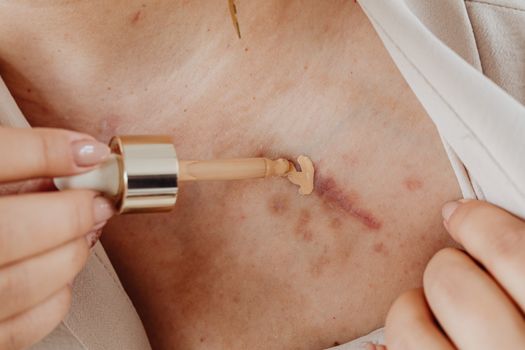 Photo: https://kaboompics.com/ / Pexels
Acne scars are often the unwelcome aftermath of inflammatory acne, manifesting in various forms that can affect skin texture and tone. Before diving into how to treat acne scars at home, it's crucial to understand what kind of scars you're dealing with, as this significantly influences the effectiveness of your chosen treatments. Broadly, acne scars can be categorized into two main types: atrophic (depressed) and hypertrophic (raised), with post-inflammatory hyperpigmentation (PIH) and erythema (PIE) often mistaken for true scarring, though they are technically discoloration.
Atrophic scars, which are the most common type, result from a loss of tissue. These are further divided into three subtypes: ice pick scars, which are narrow, deep, and resemble small, sharp punctures; boxcar scars, which are broader, with sharp, defined edges, similar to chickenpox scars; and rolling scars, which create a wavy, uneven texture on the skin's surface due to fibrous bands under the skin. These scars occur when there isn't enough collagen produced during the healing process, leading to depressions in the skin. Understanding these distinctions is fundamental to selecting appropriate at-home remedies, as a treatment effective for hyperpigmentation might not significantly improve deep ice pick scars.
Hypertrophic scars and keloids, on the other hand, are raised scars that occur when the skin produces too much collagen during healing. Hypertrophic scars are typically confined to the boundaries of the original wound, while keloids extend beyond these boundaries and can continue to grow larger over time. These are less common with acne but can be particularly stubborn to treat at home. Often, professional interventions are necessary for these types. However, some at-home methods can help manage their appearance and prevent worsening.
Post-inflammatory hyperpigmentation (PIH) refers to the dark spots left behind after an acne lesion heals. These spots range from pink, red, brown, or black, depending on your skin tone and how much melanin was produced in response to inflammation. Post-inflammatory erythema (PIE) presents as persistent red or purple marks, often seen in fairer skin types, resulting from damage to capillaries near the skin's surface. While not true scars in the sense of textural changes, PIH and PIE are often grouped with scars because they significantly impact skin appearance and can be distressing. Thankfully, these are often the most responsive to at-home treatments, and consistent application of brightening and anti-inflammatory ingredients can yield significant improvements.
Identifying your specific scar type is the first, non-negotiable step in learning how to treat acne scars at home effectively. Many people incorrectly assume all dark spots are scars, leading to ineffective treatment choices. Take the time to examine your skin under good lighting, perhaps with a magnifying mirror, to determine the predominant types of marks you have. If you're unsure, consulting a dermatologist can provide a definitive diagnosis and guide your initial approach. This foundational understanding sets the stage for choosing the right ingredients and strategies to achieve a smoother, more even complexion. For more detailed information on skin types and conditions, explore our guide on
understanding your skin type.
Top At-Home Ingredients for Scar Reduction
 Photo: Andrzej Gdula / Pexels
Once you've identified your acne scar types, the next step in how to treat acne scars at home is to equip yourself with the right arsenal of ingredients. The beauty market is flooded with products, but certain active ingredients have robust scientific backing for their efficacy in diminishing various types of acne scars, particularly PIH and mild atrophic scars. Consistency and patience are paramount when incorporating these into your daily routine.
**Alpha Hydroxy Acids (AHAs):** Glycolic acid and lactic acid are popular AHAs that work by exfoliating the top layer of dead skin cells, promoting cell turnover, and revealing fresher, smoother skin underneath. This process can help to lighten dark spots (PIH) and improve the texture of superficial atrophic scars. Start with lower concentrations (5-10%) a few times a week to allow your skin to adjust, gradually increasing frequency if tolerated. AHAs also stimulate collagen production over time, which can be beneficial for depressed scars.
**Beta Hydroxy Acids (BHAs):** Salicylic acid is the most common BHA and is oil-soluble, meaning it can penetrate deeper into pores. While primarily known for treating active acne by unclogging pores, its exfoliating properties also make it effective for improving skin texture and reducing the appearance of some shallow scars and hyperpigmentation. It's particularly useful for those still experiencing occasional breakouts alongside scarring.
**Retinoids (Vitamin A derivatives):** Over-the-counter retinols and prescription retinoids like tretinoin are powerhouses for scar treatment. They accelerate cell turnover, stimulate collagen production, and reduce inflammation, making them highly effective for both atrophic scars and hyperpigmentation. Retinoids can significantly improve skin texture and reduce the depth of shallow scars over several months. Start with a low concentration (e.g., 0.25% retinol) a few nights a week and gradually increase as your skin builds tolerance, as they can cause initial dryness and sensitivity.
**Vitamin C (L-Ascorbic Acid):** This potent antioxidant is renowned for its brightening properties. Vitamin C inhibits melanin production, which helps fade PIH and even out skin tone. It also plays a crucial role in collagen synthesis, contributing to improved skin elasticity and potentially aiding in the remodeling of atrophic scars. Look for stable forms of vitamin C in serums, typically in concentrations ranging from 10-20%. Apply it in the morning to leverage its antioxidant benefits against environmental aggressors.
**Niacinamide (Vitamin B3):** Niacinamide is a versatile ingredient that offers multiple benefits for acne-scarred skin. It helps to reduce inflammation, minimize redness (PIE), and significantly improve skin barrier function. Furthermore, it can inhibit the transfer of melanin to skin cells, thereby reducing the appearance of hyperpigmentation. It's generally well-tolerated and can be used daily, often found in serums and moisturizers at concentrations of 5-10%.
**Azelaic Acid:** This naturally occurring acid has anti-inflammatory and antibacterial properties. It's particularly effective for treating PIH and PIE by reducing inflammation and inhibiting melanin production. Azelaic acid also gently exfoliates, contributing to a smoother skin texture. It's often well-tolerated by sensitive skin and can be used twice daily.
When incorporating these ingredients into your how to treat acne scars at home routine, remember to introduce them one at a time and patch test to avoid irritation. Always pair these treatments with a gentle cleanser, a good moisturizer, and most importantly, daily broad-spectrum sunscreen with SPF 30 or higher, as many of these ingredients can increase sun sensitivity. Combining a few targeted ingredients can often yield the best results, addressing multiple aspects of scar appearance simultaneously.
Natural Remedies and Lifestyle Adjustments for Scar Healing
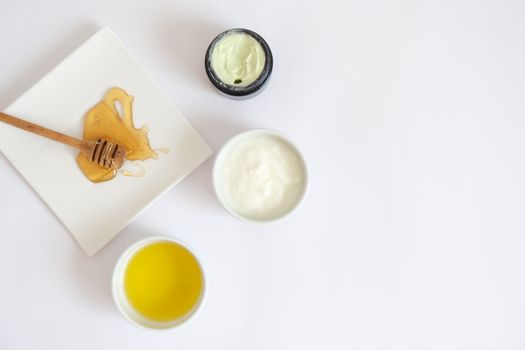 Photo: hello aesthe / Pexels
While active ingredients provide targeted action, several natural remedies and crucial lifestyle adjustments can significantly support your efforts in how to treat acne scars at home. These methods often work synergistically with topical treatments, enhancing overall skin health and aiding the healing process. They are generally gentler and can be a good starting point for those with sensitive skin or as complementary therapies.
**Aloe Vera:** Known for its soothing and healing properties, fresh aloe vera gel can be applied directly to acne scars. It contains compounds that help reduce inflammation and promote skin regeneration. While it may not dramatically reduce deep scars, it can help fade redness and hyperpigmentation, contributing to a more even skin tone. Apply a thin layer daily and leave it on for 30 minutes before rinsing.
**Honey:** Raw honey is a natural humectant and possesses antibacterial and anti-inflammatory properties. A honey mask can help moisturize the skin, reduce inflammation, and promote healing. Manuka honey, in particular, is lauded for its higher medicinal properties. Apply a thin layer to clean skin, leave for 15-20 minutes, then rinse. This can be beneficial for general skin health and mild scar improvement.
**Lemon Juice:** The alpha hydroxy acids (AHAs) in lemon juice can act as a natural exfoliant and skin lightener. However, lemon juice is highly acidic and can be very irritating and photosensitizing, making the skin more vulnerable to sun damage and further hyperpigmentation. If you choose to use it, dilute it heavily with water (e.g., 1 part lemon juice to 10 parts water), apply sparingly, and only at night, followed by rigorous sun protection during the day. Many dermatologists advise caution due to its potential for irritation.
**Apple Cider Vinegar (ACV):** Similar to lemon juice, ACV contains mild acids that can help with exfoliation and brightening. It also has antiseptic properties. Again, extreme dilution is crucial (e.g., 1 part ACV to 3-4 parts water) and it should be used with caution. Apply with a cotton ball as a toner, leaving it on for a few minutes before rinsing. Always follow with moisturizer and rigorous sun protection.
**Rosehip Oil:** Rich in essential fatty acids, antioxidants, and vitamin A (a natural retinoid), rosehip oil is a potent natural ingredient for skin regeneration. It can help improve the texture of scars, reduce hyperpigmentation, and promote overall skin healing. Apply a few drops directly to clean skin or mix with your moisturizer, ideally at night. Its gentle nature makes it suitable for most skin types.
**Silicone Sheets/Gels:** While more commonly used for hypertrophic scars and keloids, silicone can also aid in the flattening and softening of some atrophic scars by creating a protective barrier and promoting hydration. Over-the-counter silicone sheets or gels can be applied directly to scars and worn for several hours daily. Consistency is key for results, which can take weeks to months.
**Lifestyle Adjustments:**
* **Sun Protection:** This cannot be stressed enough. UV radiation darkens hyperpigmentation and can impede the natural healing process. Daily use of broad-spectrum SPF 30+ sunscreen is non-negotiable when treating acne scars. Wearing hats and seeking shade further protects your skin.
* **Balanced Diet:** A diet rich in antioxidants, vitamins (especially C and E), and minerals supports skin repair and regeneration. Incorporate plenty of fruits, vegetables, lean proteins, and healthy fats.
* **Hydration:** Drinking ample water keeps your skin hydrated from within, which is essential for cell function and overall skin health, aiding in the healing process.
* **Avoid Picking/Popping:** This is the golden rule for preventing new scars. Picking at active acne or existing scars can worsen inflammation, introduce bacteria, and lead to more severe or prolonged scarring. Let blemishes heal naturally or treat them gently.
* **Adequate Sleep:** Your body repairs itself during sleep. Ensuring 7-9 hours of quality sleep allows your skin to regenerate and recover more effectively. For more insights on overall skin health, consider reading our article on
daily skincare routines for radiant skin.
Incorporating these natural remedies and lifestyle changes into your routine provides a holistic approach to how to treat acne scars at home, complementing your active ingredient treatments and fostering healthier, more resilient skin.
When to Seek Professional Help for Stubborn Scars
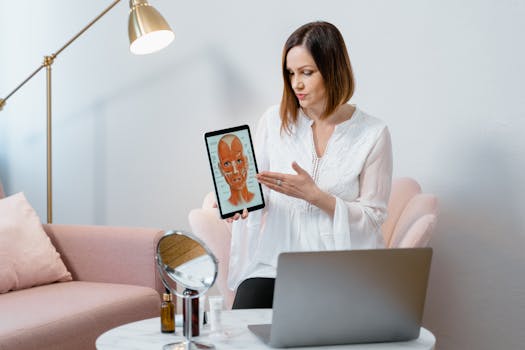 Photo: MART PRODUCTION / Pexels
While many effective strategies exist for how to treat acne scars at home, it's crucial to recognize the limitations of DIY methods. Some scars, particularly deep atrophic scars (like ice picks and severe boxcars) or prominent hypertrophic/keloid scars, often require professional intervention to achieve significant improvement. Knowing when to consult a dermatologist or a qualified aesthetician can save you time, frustration, and potentially prevent further skin damage from inappropriate at-home treatments.
**No Significant Improvement After Consistent At-Home Treatment:** If you've diligently followed an at-home regimen using active ingredients and natural remedies for several months (e.g., 6-12 months) and haven't observed any noticeable improvement in the depth or appearance of your scars, it's a strong indicator that professional treatments might be necessary. Deeper textural changes often require modalities that can penetrate beyond the superficial layers of the skin.
**Deep Atrophic Scars:** Ice pick scars, which are narrow and deep, and severe boxcar scars are notoriously difficult to treat effectively at home. These types of scars often benefit from procedures like TCA CROSS (Chemical Reconstruction Of Skin Scars), punch excision, subcision, or specific types of laser resurfacing that can target the deeper dermal layers and stimulate substantial collagen remodeling.
**Raised Scars (Hypertrophic and Keloids):** While silicone sheets can offer some benefit, persistent hypertrophic scars and keloids typically respond best to professional treatments. These can include corticosteroid injections to flatten the scar, cryotherapy (freezing the scar tissue), surgical excision, or various laser treatments aimed at reducing redness and flattening the raised tissue. Home remedies are unlikely to make a significant impact on these types of scars.
**Widespread Scarring or Significant Skin Discoloration:** If you have extensive areas of scarring or severe post-inflammatory hyperpigmentation/erythema that significantly impacts your self-esteem, a professional can offer more potent and faster-acting solutions. Prescription-strength retinoids, hydroquinone, or advanced chemical peels administered by a professional can provide more dramatic results for discoloration.
**Potential for Further Damage from Home Treatments:** Sometimes, aggressive or incorrect use of at-home remedies (like undiluted lemon juice or over-exfoliation) can lead to irritation, burns, or even worsen hyperpigmentation. If you're experiencing adverse reactions or feeling overwhelmed by the complexity of at-home options, it's time to seek expert guidance.
**Professional Treatment Options to Consider:**
* **Chemical Peels:** Medical-grade peels use higher concentrations of acids (e.g., glycolic, salicylic, TCA) to exfoliate deeper layers of the skin, promoting cell turnover and collagen production. Effective for PIH, PIE, and shallow atrophic scars.
* **Microdermabrasion/Dermaplaning:** These are less invasive physical exfoliation methods that can improve skin texture and lighten superficial marks. Often require multiple sessions.
* **Microneedling (Collagen Induction Therapy):** This procedure involves using tiny needles to create controlled micro-injuries in the skin, stimulating collagen and elastin production. Highly effective for atrophic scars, improving texture and firmness.
* **Laser Resurfacing:** Fractional non-ablative and ablative lasers can target specific areas of scar tissue, stimulating collagen remodeling and resurfacing the skin. Excellent for various atrophic scars, redness, and hyperpigmentation.
* **Dermal Fillers:** For some depressed (atrophic) scars, particularly rolling scars, hyaluronic acid fillers can be injected to temporarily lift the scar and create a smoother surface.
* **Subcision:** A procedure where a needle is inserted under the skin to break up fibrous bands that pull down rolling scars.
Consulting a board-certified dermatologist is always recommended. They can accurately diagnose your scar types, discuss your skin history, and recommend a tailored treatment plan that might combine professional procedures with an optimized at-home routine. This ensures you're pursuing the most effective and safest path to improving your skin's appearance.