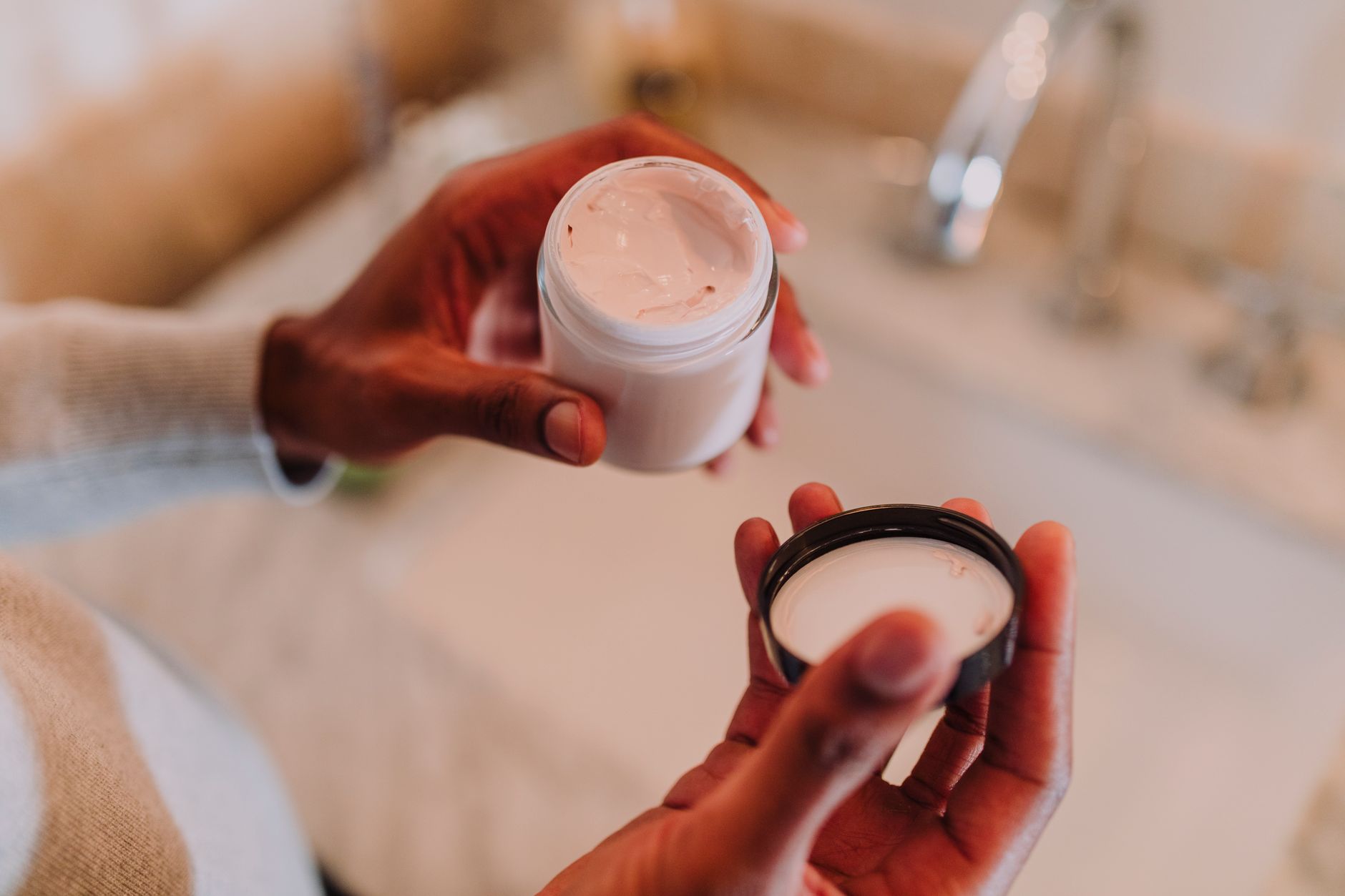
Toxic Trap? Ingredients to Avoid in Skincare Products
ingredients to avoid in skincare products

Toxic Trap? Ingredients to Avoid in Skincare Products

Navigate the complex world of skincare labels to protect your skin and health from common harmful substances.

Read the Full Guide

Key Takeaways

  • ✓ Many common skincare ingredients can cause irritation, allergies, or long-term health issues.
  • ✓ Reading ingredient labels is crucial for making informed skincare choices.
  • ✓ Fragrance, parabens, and sulfates are among the most frequent culprits of skin sensitivity.
  • ✓ 'Clean beauty' often refers to products free from a list of potentially harmful ingredients.

How It Works

1
Understand the 'Why'

Learn why certain ingredients pose risks to skin health or overall well-being. This knowledge empowers you to make smarter choices.

2
Identify Key Offenders

Familiarize yourself with the most common and problematic ingredients found in many skincare products. We'll provide a comprehensive list.

3
Master Label Reading

Develop the skill to quickly scan and understand ingredient lists on product packaging. This is your primary defense against harmful chemicals.

4
Choose Safer Alternatives

Discover effective and beneficial ingredients that can replace the problematic ones. Build a skincare routine that truly nourishes your skin.

Navigating the Chemical Maze: Understanding Harmful Skincare Ingredients
Simple blue container with label on a textured white background, perfect for mock-ups or product presentations. Photo: https://kaboompics.com/ / Pexels
In today's bustling beauty market, consumers are faced with an overwhelming array of skincare products, each promising miraculous results. However, beneath the glossy packaging and enticing claims often lies a complex cocktail of chemicals, some of which may do more harm than good. Understanding which ingredients to avoid in skincare products is not just about preference; it's about safeguarding your skin's health and, in some cases, your overall well-being. The skin, our largest organ, acts as a barrier, but it also absorbs a significant portion of what we apply to it. This means that potentially irritating or harmful substances can enter our bloodstream, leading to various concerns ranging from superficial skin issues like dryness, redness, and breakouts to more systemic problems over time. The sheer volume of ingredients, often listed in tiny print and complex scientific names, can make label reading feel like deciphering an ancient script. This guide aims to demystify that process, empowering you to make informed decisions for a healthier skin routine. We'll delve into the most common culprits, explaining why they're problematic and what potential effects they can have. Our focus is on providing actionable knowledge so you can confidently choose products that truly nurture your skin. From synthetic fragrances that can trigger allergies to parabens linked to hormonal disruption, and sulfates that strip natural oils, the list of potentially problematic substances is extensive. However, with a clear understanding, you can navigate this landscape with ease. It's important to note that not everyone will react negatively to every ingredient. Skin sensitivity varies greatly among individuals, influenced by genetics, existing skin conditions, and environmental factors. What might be an irritant for one person could be perfectly fine for another. Nevertheless, opting for products with fewer known irritants or allergens is a proactive step towards maintaining optimal skin health and preventing future issues. The rise of the 'clean beauty' movement reflects a growing consumer demand for transparency and safer formulations. While the term 'clean' lacks a universal definition, it generally signifies products formulated without a specific list of ingredients often deemed harmful or irritating. Becoming an ingredient detective is your first line of defense in achieving healthy, radiant skin. This journey begins with awareness, leads to informed choices, and ultimately results in a skincare routine that supports your skin's natural balance and vitality. Discover more about conscious beauty choices and how they can transform your regimen. By equipping yourself with knowledge about ingredients to avoid in skincare products, you're not just buying products; you're investing in your long-term skin health.

The Big Offenders: Top Ingredients to Avoid in Skincare Products
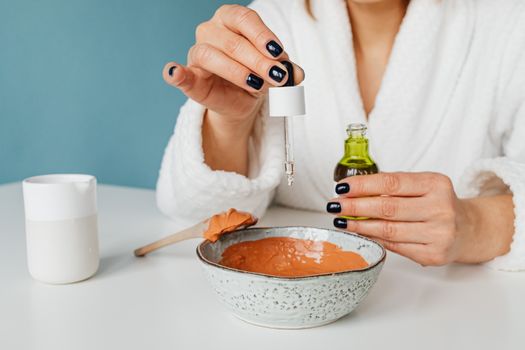
A woman in a bathrobe mixing ingredients for a DIY skincare mask using a pipette. Photo: https://kaboompics.com/ / Pexels
When scrutinizing ingredient lists, several categories consistently emerge as potential red flags. Understanding these 'big offenders' is paramount for anyone serious about clean skincare. First on the list are Parabens. These preservatives (methylparaben, propylparaben, butylparaben, ethylparaben) are used to prevent the growth of bacteria and mold in cosmetic products. While effective at extending shelf life, parabens have been a subject of controversy due to their potential to mimic estrogen in the body, leading to concerns about endocrine disruption. Although regulatory bodies consider them safe in small amounts, many consumers choose to avoid them, particularly those with sensitive skin or concerns about hormonal health. Next, we have Synthetic Fragrances (Parfum). This broad term often represents a complex mixture of chemicals, some of which can be potent allergens and irritants. Fragrance is a leading cause of contact dermatitis and can trigger headaches, asthma symptoms, and respiratory issues in sensitive individuals. Because companies are not required to disclose the specific chemicals used to create a fragrance, 'parfum' or 'fragrance' on an ingredient list is a black box, making it impossible to know what you're truly applying. Opting for fragrance-free or naturally scented products is a safer bet. Sulfates (SLS and SLES) are another common group, primarily found in foaming cleansers and shampoos. Sodium Lauryl Sulfate (SLS) and Sodium Laureth Sulfate (SLES) are powerful detergents that create that satisfying lather, but they can also strip the skin of its natural oils, leading to dryness, irritation, and even exacerbating conditions like eczema and rosacea. For those with dry or sensitive skin, sulfate-free alternatives are highly recommended. Phthalates, often found in conjunction with 'fragrance,' are plasticizers used to make products more pliable and to help fragrances last longer. Like parabens, phthalates are endocrine disruptors and have been linked to reproductive and developmental issues. They are typically not listed individually but are often hidden under the general term 'fragrance,' making them harder to identify. Formaldehyde-Releasing Preservatives, such as DMDM hydantoin, imidazolidinyl urea, diazolidinyl urea, and quaternium-15, slowly release small amounts of formaldehyde to prevent microbial growth. Formaldehyde is a known human carcinogen and a common skin allergen, capable of causing severe irritation and allergic reactions. Mineral Oil, Petrolatum, and Paraffin are petroleum-derived ingredients often used as emollients. While generally considered non-irritating, they can be occlusive, meaning they form a barrier on the skin that can trap dirt and bacteria, potentially leading to breakouts, especially for acne-prone individuals. They also raise environmental concerns regarding sourcing. Lastly, Synthetic Dyes (e.g., FD&C colors) are artificial colorants used to make products visually appealing. These dyes can be skin irritants and allergens, and some have been linked to hyperactivity in children. For skincare, where the color of the product is largely aesthetic, avoiding synthetic dyes is an easy way to reduce potential exposure to unnecessary chemicals. By being vigilant about these key ingredients, you can significantly reduce your exposure to potentially harmful substances and foster a healthier environment for your skin.

Beyond the Basics: Lesser-Known Irritants and Their Impact on Skin Health

Close-up shot of a man with long hair using a magnifying glass to inspect his reflection in a mirror. Photo: KoolShooters / Pexels
While parabens, sulfates, and synthetic fragrances are often at the forefront of discussions about ingredients to avoid in skincare products, there's a broader spectrum of substances that can subtly undermine your skin's health and well-being. Delving into these lesser-known irritants can further refine your clean beauty regimen. One such category is Ethanolamines (MEA, DEA, TEA). These are used as emulsifiers and foaming agents in many cosmetics. While they help products achieve a desirable texture, they can be skin irritants and allergens. More concerning is their potential to react with other ingredients to form nitrosamines, which are carcinogenic. Although the risk is considered low in regulated products, many consumers prefer to err on the side of caution. Another set of ingredients to watch out for are certain Chemical Sunscreens, specifically oxybenzone, octinoxate, octisalate, and avobenzone. While effective at blocking UV rays, some of these chemicals have raised concerns regarding their potential for skin absorption and endocrine disruption. Oxybenzone, in particular, has been linked to allergic reactions and coral reef damage. Mineral sunscreens, which use zinc oxide and titanium dioxide, offer a safer, non-nano alternative that sits on the skin's surface, reflecting UV rays rather than absorbing them. Silicones (e.g., Dimethicone, Cyclopentasiloxane) are widely used to create a silky-smooth texture and provide a temporary blurring effect. While generally considered non-toxic, their occlusive nature can trap impurities beneath the skin, potentially leading to congestion and breakouts for some. Environmentally, certain cyclic silicones like Cyclopentasiloxane are also a concern due to their persistence in the environment. For those with acne-prone or sensitive skin, opting for silicone-free products might be beneficial. Polyethylene Glycols (PEGs) are petroleum-derived compounds used as thickeners, solvents, softeners, and moisture-carriers. The concern with PEGs lies in their manufacturing process, which can involve ethylene oxide, a known carcinogen, leading to potential contamination with 1,4-dioxane, another carcinogen. While products are often purified to remove these contaminants, the 'dirty' manufacturing process prompts many to avoid PEGs. Finally, certain Essential Oils, despite their natural origin, can be potent skin sensitizers and allergens for some individuals. While many essential oils offer therapeutic benefits, highly concentrated forms of oils like lavender, tea tree, peppermint, citrus oils (especially when exposed to sunlight), and ylang-ylang can cause irritation, redness, and even hyperpigmentation in sensitive skin types. Patch testing is always recommended for products containing essential oils, and those with very reactive skin might prefer products free from them altogether. Learn more about identifying triggers for sensitive skin. By expanding your awareness beyond the most commonly discussed culprits, you empower yourself to create a truly clean and gentle skincare routine that respects your skin's unique needs and sensitivities. This deeper understanding of ingredients to avoid in skincare products is key to achieving lasting skin health.

Smart Skincare Habits: Tips for Avoiding Problematic Ingredients

A woman examines gourmet packaging on a store shelf, highlighting focused shopping. Photo: Rachel Claire / Pexels
Navigating the world of skincare can feel daunting, but adopting a few smart habits can significantly reduce your exposure to potentially harmful ingredients. Here are actionable tips to help you make cleaner, safer choices: * **Become a Label Detective:** The most crucial step is to read ingredient lists thoroughly. Don't rely solely on front-of-package claims like 'natural' or 'organic' – these terms are often unregulated and can be misleading. Look for products that clearly list all ingredients, ideally with shorter, recognizable lists. * **Prioritize Fragrance-Free:** If a product lists 'fragrance,' 'parfum,' or 'perfume,' it's best to avoid it, especially if you have sensitive skin, allergies, or respiratory issues. Look for products explicitly labeled 'fragrance-free,' not just 'unscented' (which can still contain masking fragrances). * **Research Specific Ingredients:** When you encounter an unfamiliar ingredient, take a moment to research it. Websites like the Environmental Working Group (EWG) Skin Deep database offer comprehensive information and safety ratings for thousands of cosmetic ingredients. * **Patch Test New Products:** Before fully incorporating a new product into your routine, perform a patch test. Apply a small amount to an inconspicuous area of skin (e.g., behind the ear or on the inner forearm) and wait 24-48 hours to check for any adverse reactions. * **Opt for 'Free From' Claims (with caution):** While 'free from' claims like 'paraben-free' or 'sulfate-free' can be helpful indicators, be mindful that a product free of one problematic ingredient might contain another. Always check the full ingredient list. * **Simplify Your Routine:** The more products you use, the higher your exposure to various chemicals. Consider a minimalist approach, focusing on essential steps with high-quality, clean formulations. Less can often be more beneficial for your skin. * **Look for Certifications:** While not always foolproof, certifications from reputable organizations (e.g., USDA Organic for truly organic ingredients, Ecocert, Leaping Bunny for cruelty-free) can provide an extra layer of assurance about a product's formulation and sourcing. * **Educate Yourself Continuously:** The beauty industry is constantly evolving. Stay informed about new research on ingredients and emerging concerns. Your skin's needs also change over time, so what works today might need adjustment tomorrow. By integrating these habits into your skincare journey, you can confidently select products that support your skin's health without exposing it to unnecessary risks. Making informed choices about ingredients to avoid in skincare products is a powerful step towards a truly radiant and healthy complexion.

Comparison

Ingredient CategoryPotential IssueCommon ExamplesSafer Alternative
PreservativesEndocrine disruption, irritationParabens (methyl-, propyl-), Formaldehyde-releasersPhenoxyethanol, Sodium Benzoate, Vitamin E
Fragrance/ScentAllergies, irritation, respiratory issuesParfum, Fragrance, PhthalatesFragrance-free, Essential oils (patch test), Vanilla extract
Surfactants/FoamersSkin stripping, dryness, irritationSLS, SLES, Cocamide DEA/MEADecyl Glucoside, Coco Glucoside, Sodium Cocoyl Isethionate
Petroleum By-productsOcclusive, potential pore cloggingMineral Oil, Petrolatum, ParaffinPlant-based oils (jojoba, argan), Shea Butter

What Readers Say

"This guide completely changed my approach to skincare! I used to suffer from constant redness and breakouts, but after learning which ingredients to avoid in skincare products, my skin has never been clearer or calmer. It’s truly empowering to understand what I'm putting on my skin."

Sarah J. · Austin, TX

"As someone with very sensitive skin, finding products that don't irritate me was a nightmare. This article broke down the problematic ingredients so clearly. I've switched to fragrance-free and paraben-free options, and the difference is night and day."

Mark D. · Seattle, WA

"I always just bought what was popular, but this guide opened my eyes to the hidden dangers. My chronic dry patches disappeared after I cut out sulfates and mineral oil. My skin feels healthier and more hydrated than ever before. Highly recommend this read!"

Jessica L. · Miami, FL

"While some of the scientific names were a bit much initially, the breakdown of common irritants was incredibly helpful. I'm still learning to identify all the 'bad' ingredients, but I've already seen improvements by avoiding parabens and artificial fragrances. It's a journey, but this is a great starting point."

Emily R. · Denver, CO

"I never thought much about what was in my skincare, but my partner convinced me to read this. It's concise, informative, and has made me much more conscious about product selection, even for my shaving cream. My skin definitely feels less irritated now."

David K. · Chicago, IL

Frequently Asked Questions

What are the absolute top 3 ingredients to avoid in skincare products for sensitive skin?

For sensitive skin, the top three ingredients to strictly avoid are synthetic fragrances ('parfum'), sulfates (SLS/SLES), and formaldehyde-releasing preservatives. These are notorious for triggering irritation, redness, and allergic reactions, often causing more harm than good for delicate complexions. Prioritizing products free from these can significantly reduce skin reactivity and improve overall skin comfort.

Are 'natural' or 'organic' products always safe and free from harmful ingredients?

Not necessarily. While 'natural' and 'organic' can indicate a preference for plant-derived ingredients, these terms are often unregulated in the beauty industry. A 'natural' product can still contain sensitizing essential oils or other irritants, and 'organic' certifications usually pertain to agricultural sourcing, not necessarily the safety of all cosmetic ingredients. Always check the full ingredient list, regardless of marketing claims.

How can I easily identify problematic ingredients when shopping for skincare?

Start by familiarizing yourself with the common names of the 'big offenders' like parabens, sulfates (SLS, SLES), and 'fragrance'/'parfum.' Keep a mental list or a note on your phone. When shopping, quickly scan the first few lines of the ingredient list, as ingredients are typically listed in order of concentration. If you see known irritants high up, consider an alternative. Apps like Think Dirty or EWG's Skin Deep can also help scan product barcodes for safety ratings.

Is it more expensive to buy skincare products without harmful ingredients?

While some 'clean beauty' brands can be premium-priced, it's not always more expensive. Many affordable brands are now formulating without common irritants due to consumer demand. The key is to be an informed shopper, compare ingredient lists, and prioritize what's essential for your skin. Sometimes, simplifying your routine to fewer, higher-quality products can actually save money in the long run by reducing the need for corrective treatments.

How do mineral sunscreens compare to chemical sunscreens in terms of ingredients to avoid?

Mineral sunscreens (zinc oxide and titanium dioxide) are generally preferred for those looking to avoid chemical sunscreens like oxybenzone and octinoxate. Chemical sunscreens absorb UV rays and have raised concerns about skin absorption and potential endocrine disruption. Mineral sunscreens sit on the skin's surface, creating a physical barrier that reflects UV light, making them a safer choice for sensitive skin and often considered more environmentally friendly for marine life.

Who should be most concerned about avoiding specific ingredients in skincare?

Everyone can benefit from being mindful of skincare ingredients, but those with sensitive skin, allergies, eczema, rosacea, or acne-prone skin should be particularly diligent. Pregnant or breastfeeding individuals, and parents choosing products for infants and children, should also pay close attention due to potential systemic absorption and developmental concerns. Ultimately, a proactive approach benefits all skin types.

Are there any ingredients that are falsely demonized but are actually safe?

Yes, some ingredients get a bad rap without sufficient scientific backing. For example, silicones (like dimethicone) are often criticized for being 'bad' for skin, but for many, they are non-irritating and effective emollients that can improve skin texture. Similarly, some alcohols (fatty alcohols like cetyl alcohol) are beneficial, unlike drying simple alcohols (ethanol, isopropyl alcohol). It's crucial to differentiate and look at the specific type and context of the ingredient.

What is the future trend for avoiding harmful ingredients in skincare products?

The future trend points towards even greater transparency, stricter regulations (especially in the US catching up to EU standards), and a continued emphasis on 'clean' and 'sustainable' formulations. We can expect more brands to voluntarily exclude common irritants, utilize biotechnology for safer alternatives, and provide clearer, more accessible ingredient information. Consumer demand for truly effective and safe products will continue to drive this evolution, making it easier for everyone to avoid problematic ingredients.

Empower your skincare journey by understanding which ingredients to avoid in skincare products. Make informed, healthier choices for a radiant complexion that truly thrives. Start scrutinizing those labels today and transform your routine for the better!

Topics: ingredients to avoid in skincare productsharmful skincare chemicalstoxic beauty ingredientsclean beauty guideskincare irritants
Leo List

DK Escorts LU Escorts AT Escorts SE Escorts FI Escorts CH Escorts DE Escorts HR Escorts IE Escorts GR Escorts CZ Escorts NO Escorts BE Escorts FR Escorts SI Escorts IL Escorts NL Escorts PL Escorts HU Escorts ES Escorts IT Escorts PT Escorts SK Escorts RO Escorts ZA Escorts UY Escorts US Escorts UK Escorts NZ Escorts AU Escorts
Brampton weed
Adultwork EstrelaBet Vai de Bet R7 Bet Betão Galera Bet Rainbet Bet9ja Shop SportyBet BetKing Sisal Loto Foot Hollywoodbets YesPlay Odibets RushBet Jugabet BetWarrior BetCity MSport betPawa Fortebet