✓ Oily skin is characterized by excess sebum production, leading to shine, enlarged pores, and potential breakouts.
✓ Natural ingredients often work synergistically with the skin's biology, minimizing irritation common with harsh chemicals.
✓ Consistency is paramount; natural routines require dedication to see significant, lasting results.
✓ Hydration is crucial for oily skin; depriving it of moisture can paradoxically increase oil production.
How It Works
1
Gentle Cleansing
Remove excess oil, makeup, and impurities without stripping the skin. This sets a clean foundation for subsequent steps, preventing pore congestion.
2
Balancing Toning
Restore the skin's pH balance and prepare it for better absorption of serums and moisturizers. Toning also helps to minimize the appearance of pores.
3
Targeted Treatment
Address specific concerns like acne, inflammation, or hyperpigmentation with potent natural ingredients. This step delivers concentrated benefits where your skin needs them most.
4
Lightweight Hydration
Provide essential moisture without adding to oiliness or clogging pores. Proper hydration signals to your skin that it doesn't need to overproduce sebum.
Understanding Oily Skin: Causes and Natural Solutions
Photo: Chalo Garcia / Pexels
Oily skin, a common dermatological concern, is primarily characterized by an overproduction of sebum, the natural oil produced by your sebaceous glands. While sebum is essential for keeping skin moisturized and protected, an excess leads to a shiny complexion, enlarged pores, and a higher propensity for acne breakouts. Several factors contribute to this overactivity, including genetics, hormonal fluctuations (especially during puberty, menstruation, or pregnancy), stress, diet, and even improper skincare practices. For instance, using harsh cleansers can strip the skin of its natural oils, triggering a reactive increase in sebum production – a common mistake many with oily skin make. Understanding these underlying causes is the first step towards effectively managing oily skin with a natural approach.
Traditional skincare often relies on strong chemicals that can be irritating or disrupt the skin's delicate microbiome. Natural skincare, on the other hand, harnesses the power of botanicals, minerals, and other earth-derived ingredients to balance and heal the skin. Instead of aggressively drying out the skin, natural solutions aim to regulate sebum production, reduce inflammation, and promote overall skin health. Ingredients like witch hazel, tea tree oil, green tea extract, and various clays are celebrated for their astringent, antibacterial, and oil-absorbing properties, respectively. The beauty of a natural skincare routine for oily skin lies in its gentle yet effective approach, working with your body's innate processes rather than against them. It’s about creating harmony, not waging war, on your skin's oil production. Embracing natural methods can lead to a more balanced, less reactive complexion over time, fostering long-term skin health. This holistic approach ensures that while you're managing oil, you're also nurturing your skin's barrier function and overall resilience. Discover more about holistic beauty practices here.
Crafting Your Daily Natural Skincare Routine for Oily Skin
Photo: Andrea Piacquadio / Pexels
Building an effective natural skincare routine for oily skin requires thoughtful selection of products and consistent application. The goal is to cleanse, tone, treat, and moisturize without exacerbating oiliness or clogging pores. Let's break down the essential steps:
**Morning Routine:**
1. **Gentle Cleansing (60 seconds):** Start your day by washing your face with a mild, sulfate-free cleanser. Look for ingredients like witch hazel, salicylic acid (derived from willow bark), or charcoal. These gently purify the skin, removing overnight accumulation of oil and impurities without stripping natural moisture. Splash lukewarm water, apply cleanser in gentle circular motions, and rinse thoroughly. Avoid hot water, which can stimulate oil glands.
2. **Balancing Toner (30 seconds):** After cleansing, apply a natural astringent toner. Witch hazel, rose water, or diluted apple cider vinegar (ACV) are excellent choices. Witch hazel helps tighten pores and reduce inflammation, while ACV balances pH and has antibacterial properties. Apply with a cotton pad, gently sweeping across the face, focusing on the T-zone. Avoid alcohol-based toners, which can be too harsh.
3. **Lightweight Serum (30 seconds):** If you use a targeted treatment, apply it now. A serum with niacinamide (Vitamin B3) can help regulate sebum production and reduce pore appearance. Hyaluronic acid serums, surprisingly, are also great for oily skin as they provide hydration without greasiness, preventing the skin from producing more oil to compensate for dryness.
4. **Oil-Free Moisturizer (60 seconds):** This step is non-negotiable, even for oily skin. Skipping moisturizer can trick your skin into producing more oil. Opt for a lightweight, non-comedogenic (won't clog pores) natural moisturizer. Aloe vera gel, jojoba oil (which mimics natural sebum), or formulations with green tea extract are ideal. These provide hydration and antioxidants without feeling heavy.
5. **Sun Protection (30 seconds):** Finish with a mineral-based sunscreen (zinc oxide or titanium dioxide) with at least SPF 30. Sun exposure can worsen hyperpigmentation and lead to premature aging. Choose a non-greasy formula designed for oily or acne-prone skin.
**Evening Routine:**
1. **Double Cleansing (90 seconds):** If you wear makeup or sunscreen, start with an oil-based cleanser (like jojoba or grapeseed oil) to dissolve makeup and impurities, followed by your regular gentle cleanser. This ensures a thorough clean without harsh scrubbing.
2. **Balancing Toner (30 seconds):** Repeat the morning toning step.
3. **Targeted Treatment (30 seconds):** This is an excellent time for more intensive treatments. You might use a spot treatment for breakouts, a retinol alternative like Bakuchiol, or a clay mask a few times a week. Clay masks (bentonite, kaolin, French green clay) are superb for drawing out impurities and absorbing excess oil.
4. **Lightweight Night Cream/Serum (60 seconds):** Apply a slightly richer, yet still non-comedogenic, moisturizer or a nourishing night serum. Ingredients like squalane, rosehip oil, or evening primrose oil can provide essential fatty acids and antioxidants to repair and rejuvenate skin overnight without feeling heavy. Remember, consistency is key to seeing the benefits of a natural skincare routine for oily skin. Give your skin time to adjust, typically 4-6 weeks, before expecting significant changes. Adjust products based on your skin's reaction and seasonal needs.
Key Natural Ingredients for Oily Skin Control
Photo: https://kaboompics.com/ / Pexels
The effectiveness of a natural skincare routine for oily skin largely hinges on the power of its ingredients. Understanding which natural compounds target specific concerns can empower you to make informed choices. Here's a deeper dive into some of the most beneficial natural ingredients for managing oil, refining pores, and preventing breakouts:
**Clays (Bentonite, Kaolin, French Green Clay):** These mineral-rich clays are superstars for oily skin. They act like magnets, drawing out excess sebum, toxins, and impurities from the pores. Bentonite clay is particularly potent for deep cleansing and detoxification, while Kaolin is gentler, making it suitable for more sensitive oily skin. French green clay combines both purifying and toning properties. Regular use in masks can significantly reduce shine and minimize the appearance of pores. They also provide essential minerals to the skin.
**Tea Tree Oil:** A powerful antiseptic and anti-inflammatory, tea tree oil is a go-to for acne-prone oily skin. Its ability to kill acne-causing bacteria (P. acnes) makes it an excellent spot treatment. However, it's potent and should always be diluted with a carrier oil (like jojoba or grapeseed) before applying to the skin to prevent irritation. Look for it in cleansers, toners, and targeted treatments.
**Witch Hazel:** This natural astringent is derived from the witch hazel plant. It helps to tighten pores, reduce inflammation, and remove excess oil without overly drying the skin. It's often found in toners and can be a fantastic way to balance the skin's pH after cleansing. Ensure you choose an alcohol-free witch hazel to avoid irritation.
**Aloe Vera:** Known for its soothing and healing properties, aloe vera is also an excellent lightweight moisturizer for oily skin. Its gel-like consistency provides hydration without adding oil, and its anti-inflammatory compounds can calm irritated skin and reduce redness associated with breakouts. It absorbs quickly and leaves a matte finish.
**Green Tea Extract:** Packed with powerful antioxidants called catechins, green tea extract is a fantastic ingredient for protecting oily skin from environmental damage. More importantly, it has anti-inflammatory properties and has been shown to reduce sebum production. Incorporating products with green tea can help calm breakouts and improve overall skin texture. Learn more about the benefits of antioxidants in skincare.
**Jojoba Oil:** Counterintuitive as it may seem to put oil on oily skin, jojoba oil is unique. It's technically a liquid wax, and its molecular structure is remarkably similar to human sebum. When applied, it can signal to your skin that it has enough oil, thereby regulating and potentially reducing its own sebum production. It's non-comedogenic and a superb moisturizer and makeup remover for oily skin.
**Apple Cider Vinegar (ACV):** Diluted ACV makes an excellent natural toner. Its alpha-hydroxy acids (AHAs) gently exfoliate, while its acetic acid helps balance the skin's pH, creating an environment less hospitable to acne-causing bacteria. Always dilute it significantly with water (e.g., 1 part ACV to 3-4 parts water) before applying.
**Rosehip Oil:** Rich in essential fatty acids, vitamins A and C, and antioxidants, rosehip oil is fantastic for healing acne scars, reducing hyperpigmentation, and promoting cell regeneration without clogging pores. It's a 'dry oil' that absorbs quickly and works wonders for improving overall skin tone and texture, making it a great addition to an evening routine.
Essential Tips and Common Mistakes for a Natural Skincare Routine for Oily Skin
Photo: Thirdman / Pexels
Adopting a natural skincare routine for oily skin can be transformative, but there are crucial tips to ensure success and common pitfalls to avoid. Integrating these insights will help you maximize the benefits and maintain a healthy, balanced complexion.
**Essential Tips for Success:**
* **Consistency is Key:** Natural remedies often work slower than their synthetic counterparts. Stick to your routine daily, both morning and night, for at least 4-6 weeks to see noticeable improvements. Patience is your greatest ally.
* **Patch Test New Products:** Even natural ingredients can cause reactions. Always perform a patch test on a small, inconspicuous area of your skin (like behind the ear or on the inner forearm) for 24-48 hours before applying a new product to your entire face.
* **Don't Over-Cleanse or Over-Exfoliate:** While it's tempting to scrub away oil, excessive cleansing or harsh exfoliation can strip your skin, leading to a rebound effect where your sebaceous glands produce even more oil. Stick to gentle cleansing twice a day and exfoliate naturally 1-2 times a week with ingredients like fruit enzymes or finely ground oats.
* **Hydrate Internally and Externally:** Drink plenty of water throughout the day. Dehydration can signal your skin to produce more oil. Externally, choose lightweight, non-comedogenic moisturizers, as discussed, to keep your skin plump and balanced without feeling greasy.
* **Prioritize Sun Protection:** Sun exposure can worsen oily skin issues by increasing inflammation and potentially stimulating oil production. Always use a broad-spectrum mineral sunscreen, even on cloudy days.
* **Clean Your Tools:** Regularly wash your pillowcases, phone screen, and makeup brushes. These harbor bacteria and oils that can contribute to breakouts and excess oil.
* **Diet and Lifestyle:** While not a direct skincare step, diet and lifestyle play a significant role. Reduce intake of processed foods, excessive sugar, and dairy, which can sometimes trigger breakouts and inflammation. Manage stress through practices like meditation or yoga, as stress hormones can stimulate oil production.
**Common Mistakes to Avoid:**
* **Using Alcohol-Based Products:** These can be extremely drying and irritating, leading to compromised skin barrier function and increased oil production.
* **Skipping Moisturizer:** This is perhaps the most common mistake. Oily skin still needs hydration. Without it, your skin will compensate by producing more sebum, creating a vicious cycle.
* **Over-Exfoliating:** While exfoliation is good, doing it too frequently or with harsh physical scrubs can damage your skin barrier, leading to sensitivity, redness, and increased oiliness.
* **Applying Too Many Products:** Layering too many active ingredients, even natural ones, can overwhelm your skin and cause irritation. Introduce new products one at a time and keep your routine streamlined.
* **Expecting Instant Results:** Natural skincare is a journey, not a sprint. Give your skin time to adapt and heal, typically several weeks, before evaluating effectiveness.
* **Ignoring Your Skin's Signals:** Pay attention to how your skin reacts. If a product causes redness, burning, or increased breakouts, discontinue use, even if it's 'natural.' Your skin knows best.
Comparison
Feature
Natural Skincare
Conventional Skincare
Hybrid Approach
Ingredient Source
Plant/Mineral-derived
Synthetic chemicals
Mix of natural & synthetic
Harshness
Generally gentle
Can be harsh/stripping
Varies greatly
Long-term Benefits
Skin balance & health
Quick fixes, potential side effects
Targeted results
Environmental Impact
Often sustainable/biodegradable
Chemical waste concerns
Depends on formulation
Cost
Can be moderate to high
Varies, often affordable
Varies
What Readers Say
★★★★★
"I've struggled with oily, acne-prone skin my whole life. Switching to a natural skincare routine for oily skin has been a game-changer. My skin feels balanced, not stripped, and the shine is finally under control."
Sarah J. · Austin, TX
★★★★★
"I was skeptical about using oils on my oily skin, but the natural routine with jojoba oil has truly regulated my sebum. My pores look smaller, and I rarely get new breakouts now. Highly recommend the natural approach!"
Mark D. · Seattle, WA
★★★★★
"My skin used to be a grease pit by midday. After consistently following a natural skincare routine for oily skin for two months, my complexion is clearer, less shiny, and feels incredibly healthy. It's truly transformed my confidence."
Emily R. · Miami, FL
★★★★★
"While it took a bit longer to see results than with some harsher products, the long-term benefits of a natural skincare routine for oily skin are undeniable. My skin is less reactive, and the breakouts are significantly fewer. Just wish some natural products were more accessible."
Jessica L. · Denver, CO
★★★★★
"As someone who works outdoors, my skin gets incredibly oily. The natural clay masks and witch hazel toner have become staples in my routine. They keep my skin fresh and reduce that heavy, greasy feeling without irritation."
David P. · Chicago, IL
Frequently Asked Questions
What is the most effective natural ingredient for controlling oily skin?
While many ingredients are beneficial, tea tree oil for its antibacterial properties and various clays (like bentonite or French green) for their oil-absorbing capabilities are often cited as the most effective. Witch hazel is also excellent for toning and pore tightening. The 'most effective' often depends on individual skin concerns.
Will a natural skincare routine for oily skin make my skin break out initially?
Sometimes, when transitioning to a new routine, especially natural ones, some individuals experience a 'purging' phase. This is when new products speed up cell turnover, bringing underlying congestion to the surface. It's usually temporary, lasting a few weeks, but if breakouts are severe or persistent, discontinue use and consult a dermatologist.
How often should I use a clay mask for oily skin?
For most individuals with oily skin, using a clay mask 1-2 times per week is ideal. This frequency allows for effective oil absorption and pore cleansing without over-drying or irritating the skin. If your skin is extremely oily, you might use it three times a week, but always monitor for dryness.
Is natural skincare for oily skin more expensive than conventional options?
The cost of natural skincare for oily skin can vary widely. While some high-end organic brands can be pricier, many effective natural ingredients like witch hazel, aloe vera, and essential oils are quite affordable. You can also create DIY remedies, which can be very cost-effective. It truly depends on the specific products you choose.
How does natural skincare compare to prescription treatments for oily skin?
Natural skincare generally offers a gentler, more holistic approach, focusing on balancing the skin over time. Prescription treatments, such as retinoids or oral medications, often provide faster, more potent results for severe oily skin or acne by targeting specific biological pathways. Natural skincare can complement prescription treatments, but for severe conditions, medical advice should always be sought.
Who should consider a natural skincare routine for oily skin?
Anyone experiencing excess shine, enlarged pores, or frequent breakouts who prefers to avoid synthetic chemicals, artificial fragrances, or harsh ingredients. It's particularly beneficial for those with sensitive skin that reacts poorly to conventional products, or individuals looking for a more sustainable and gentle approach to managing their complexion.
Are there any risks associated with a natural skincare routine for oily skin?
While 'natural' often implies safety, some natural ingredients can still cause allergic reactions or irritation, especially essential oils if not properly diluted. Always patch test new products. Also, ensure ingredients are sourced from reputable suppliers to avoid contaminants. It's crucial to research ingredients and listen to your skin's responses.
What future trends are emerging in natural skincare for oily skin?
Future trends are leaning towards microbiome-friendly ingredients that support the skin's natural bacterial balance, adaptogens (like reishi mushrooms) for stress-related oil production, and upcycled ingredients from food waste. There's also a growing emphasis on personalized natural formulations based on individual skin needs and environmental factors.
Embrace the power of nature to transform your complexion. By committing to a consistent natural skincare routine for oily skin, you can achieve lasting balance, reduce shine, and reveal your healthiest, most radiant self. Start your journey today and experience the difference.

 Photo: Chalo Garcia / Pexels
 Photo: Andrea Piacquadio / Pexels
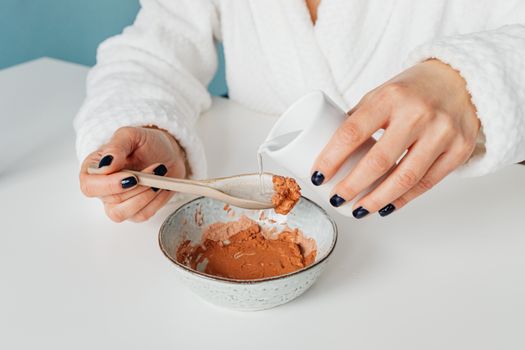 Photo: https://kaboompics.com/ / Pexels
 Photo: Thirdman / Pexels