✓ Daily sunscreen use significantly reduces premature aging.
✓ Broad-spectrum protection guards against both UVA and UVB.
✓ Reapplication every two hours is crucial for sustained protection.
How It Works
1
Understand SPF & Broad Spectrum
SPF (Sun Protection Factor) indicates protection against UVB rays, which cause sunburn. Broad-spectrum means it also protects against UVA rays, responsible for aging and skin damage.
2
Choose Mineral vs. Chemical
Mineral sunscreens use zinc oxide and titanium dioxide to physically block UV. Chemical sunscreens absorb UV radiation and convert it into heat. Both are effective, but mineral is often preferred for sensitive skin.
3
Consider Your Skin Type
Oily skin benefits from matte finishes, dry skin from hydrating formulas, and sensitive skin from fragrance-free mineral options. Look for non-comedogenic if you're prone to breakouts.
4
Application & Reapplication
Apply a generous amount (about a nickel-sized dollop for your face and neck) as the last step in your skincare routine. Reapply every two hours, or more often if swimming or sweating.
The Indispensable Role of High SPF Facial Protection
Photo: Armin Rimoldi / Pexels
In the quest for healthy, youthful skin, few steps are as crucial as daily sun protection, particularly with a high SPF facial sunscreen. While many people associate sunscreen primarily with beach days or outdoor sports, the reality is that our skin is exposed to harmful ultraviolet (UV) radiation every single day, regardless of the weather or whether we're indoors or out. UVA rays, which contribute significantly to skin aging and damage, can penetrate clouds and windows, making consistent protection paramount. This is where a top rated sunscreen for face SPF 50 becomes an indispensable ally. An SPF 50 product blocks approximately 98% of UVB rays, offering a substantial shield against sunburn and reducing the risk of skin cancer. But its benefits extend far beyond just preventing sunburn. Regular, daily use of an SPF 50 facial sunscreen can dramatically slow down the visible signs of aging, such as fine lines, wrinkles, hyperpigmentation, and loss of elasticity, which are largely exacerbated by chronic sun exposure. By creating a robust barrier against UV damage, these sunscreens help preserve the integrity of your skin's collagen and elastin, the proteins responsible for its firmness and suppleness. Furthermore, for individuals dealing with skin conditions like melasma, rosacea, or post-inflammatory hyperpigmentation, consistent high-SPF protection is not just preventative but therapeutic, helping to prevent flare-ups and worsening of these conditions. The best facial sunscreens are formulated specifically for the delicate skin on the face, often incorporating additional skincare benefits like antioxidants, hydrators, or oil-control ingredients, ensuring they integrate seamlessly into your daily beauty routine. They are designed to be non-comedogenic, meaning they won't clog pores, and often come in textures that are pleasant to wear under makeup or alone. Understanding the nuances between different formulations, such as mineral versus chemical sunscreens, and how they interact with various skin types, is key to selecting the perfect product that you'll actually enjoy using every day. The investment in a high-quality SPF 50 facial sunscreen is an investment in your skin's long-term health and appearance. It's the simplest yet most effective anti-aging strategy available, providing a protective foundation upon which all other skincare efforts can build. Don't underestimate the power of daily defense; it's the cornerstone of a radiant, resilient complexion. For more insights on general sun protection, consider reading our guide on understanding sun protection factors.
Navigating Your Choices: Mineral vs. Chemical SPF 50 for Face
Photo: www.kaboompics.com / Pexels
When searching for the top rated sunscreen for face SPF 50, one of the primary distinctions you'll encounter is between mineral (physical) and chemical sunscreens. Each type offers effective protection but works through different mechanisms and comes with its own set of characteristics, making the choice often a matter of personal preference and skin compatibility. Mineral sunscreens, often referred to as physical blockers, utilize zinc oxide and/or titanium dioxide as their active ingredients. These natural minerals sit on the surface of the skin, creating a physical barrier that reflects and scatters UV radiation away from the skin. Historically, mineral sunscreens were known for leaving a noticeable white cast, especially on deeper skin tones. However, advancements in formulation have led to micronized versions of these minerals, resulting in sheerer, more elegant textures that blend in more seamlessly. Mineral sunscreens are often recommended for sensitive skin types, individuals prone to acne, or those with conditions like rosacea, as they are generally less irritating and non-comedogenic. They start working immediately upon application, providing instant protection. On the other hand, chemical sunscreens absorb UV radiation as it penetrates the skin, converting it into heat, which is then released from the skin. Common active ingredients include oxybenzone, avobenzone, octinoxate, and octisalate. Chemical sunscreens are typically praised for their lightweight, invisible finishes, making them a popular choice for daily wear and under makeup. They tend to be easier to spread and don't leave a white residue. However, some individuals with very sensitive skin might experience irritation or allergic reactions to certain chemical filters. There have also been ongoing discussions regarding the absorption of certain chemical filters into the bloodstream, though regulatory bodies like the FDA affirm their safety for use. Many modern formulations, regardless of type, also include antioxidants like Vitamin C or E, which help to neutralize free radicals generated by UV exposure and environmental pollutants, offering an additional layer of defense. When choosing between mineral and chemical, consider your skin's sensitivity, your aesthetic preferences (do you mind a slight white cast or prefer a completely invisible finish?), and how the product feels on your skin throughout the day. Some hybrid formulations exist that combine both mineral and chemical filters, aiming to offer the best of both worlds. Ultimately, the "best" sunscreen is the one you will consistently apply every single day, so finding a formula that you enjoy using is paramount. Always ensure the product is labeled "broad-spectrum" to protect against both UVA and UVB rays, a non-negotiable feature for any top-tier facial sunscreen.
Key Features of a Superior Facial Sunscreen SPF 50
Photo: www.kaboompics.com / Pexels
Beyond the basic SPF 50 and broad-spectrum protection, a truly top rated sunscreen for face SPF 50 distinguishes itself through a combination of crucial features that cater to both efficacy and user experience. The texture and finish are paramount for daily wear. No one wants a sunscreen that feels heavy, greasy, or pills under makeup. Look for formulations described as lightweight, non-greasy, fast-absorbing, or those offering a matte or natural finish. Many high-end facial sunscreens now incorporate blurring or tone-evening properties, making them an excellent primer for makeup or a standalone product for a no-makeup look. Non-comedogenic and hypoallergenic claims are vital, especially for those with acne-prone or sensitive skin. A non-comedogenic sunscreen won't clog pores, reducing the likelihood of breakouts, while hypoallergenic formulas are less likely to cause allergic reactions. Fragrance-free options are also highly recommended for sensitive skin types, as fragrances can be a common irritant. Water resistance is another significant factor, even if you don't plan on swimming. It ensures your protection holds up against sweat, humidity, and incidental splashes, which is particularly beneficial during warmer months or for active individuals. Look for labels indicating water resistance for 40 or 80 minutes, and remember to reapply after these periods or after excessive sweating. The inclusion of beneficial skincare ingredients elevates a sunscreen from mere protection to an integral part of your skincare regimen. Antioxidants like Vitamin C, Vitamin E, ferulic acid, or niacinamide help combat free radical damage from UV exposure and pollution, providing an extra layer of defense. Hyaluronic acid or ceramides can offer hydration, while ingredients like salicylic acid might cater to oily or acne-prone skin. The packaging also plays a subtle but important role. Air-tight, opaque packaging helps preserve the stability and efficacy of active ingredients, particularly antioxidants, which can degrade when exposed to air and light. Pump dispensers or tubes are generally preferred over jars for hygiene and stability. Finally, consider the ease of reapplication. While a primary application in the morning is essential, consistent reapplication throughout the day is equally vital. Some sunscreens now come in convenient stick, powder, or mist formats that make reapplication over makeup or on the go much simpler. By considering these key features, you can move beyond just the SPF number and select a facial sunscreen that not only provides superior protection but also enhances your skin's overall health and appearance, making it a joy to use daily. For more tips on enhancing your beauty routine, explore our article on daily skincare essentials.
Common Sunscreen Mistakes and Smart Application Tips
Photo: www.kaboompics.com / Pexels
Even with the top rated sunscreen for face SPF 50, its efficacy can be compromised by common application mistakes. Avoiding these pitfalls and adopting smart application techniques are crucial for maximizing your sun protection. Here are some of the most frequent errors and how to correct them:
* **Not Using Enough Sunscreen:** This is perhaps the most widespread mistake. Most people apply far too little sunscreen to achieve the SPF stated on the bottle. For your face and neck alone, you should aim for about a nickel-sized dollop, or roughly a quarter teaspoon. Anything less significantly reduces the actual protection you receive.
* **Forgetting to Reapply:** Sunscreen is not a one-and-done product for the day. Its protection breaks down over time, especially with exposure to light, sweat, and water. Reapplication every two hours is the golden rule, or more frequently if swimming, sweating heavily, or towel drying. Many forget to reapply, leaving their skin vulnerable for hours.
* **Missing Key Areas:** The face isn't just the cheeks and forehead. Many overlook critical areas like the ears, neck, décolletage, hairline, and around the eyes. These areas are just as susceptible to sun damage and skin cancer. Extend your sunscreen application to all exposed skin.
* **Applying Sunscreen Too Late:** Sunscreen needs time to form a protective layer on your skin, especially chemical sunscreens. Apply your facial sunscreen at least 15-20 minutes before stepping outside. This allows it to properly settle and begin its protective action.
* **Relying Solely on SPF in Makeup:** While SPF in makeup is better than nothing, it's rarely sufficient. Makeup foundations or powders with SPF typically don't provide broad-spectrum protection, and you'd need to apply an impossibly thick layer to achieve the stated SPF. Always use a dedicated facial sunscreen underneath your makeup.
* **Ignoring Expiration Dates:** Sunscreen ingredients can degrade over time, making them less effective. Always check the expiration date on your sunscreen bottle. Most sunscreens are good for about three years, but if it has changed in color or consistency, it's best to replace it.
* **Not Considering Skin Type:** Using a sunscreen that isn't suited for your skin type can lead to breakouts, greasiness, or dryness, discouraging consistent use. Oily skin benefits from matte, oil-free formulas; dry skin from hydrating, creamy textures; and sensitive skin from mineral, fragrance-free options. Choosing the right formulation ensures comfort and compliance.
By being mindful of these common mistakes and integrating these smart application tips into your daily routine, you can ensure that your top rated sunscreen for face SPF 50 provides the maximum possible protection, safeguarding your skin's health and beauty for years to come.
**Smart Application Tips:**
* **Layering is Key:** Apply sunscreen as the last step in your morning skincare routine, after serums and moisturizers, but before makeup.
* **Dot and Blend:** Apply small dots of sunscreen across your face and neck, then gently blend outwards for even coverage.
* **Don't Rub Too Hard:** Gentle patting or light blending ensures the protective film remains intact.
* **Use a Mirror:** Especially when applying to tricky areas like the ears or hairline, use a mirror to ensure no spots are missed.
* **Keep it Handy:** Carry a travel-sized sunscreen or an SPF stick/powder for easy reapplication throughout the day.
Comparison
Feature
EltaMD UV Clear Broad-Spectrum SPF 46
La Roche-Posay Anthelios Melt-in Milk SPF 60
Supergoop! Unseen Sunscreen SPF 40
SPF
46 (often considered SPF 50 equivalent due to broad spectrum)
60
40 (often considered SPF 50 equivalent due to broad spectrum)
Sunscreen Type
Mineral (Zinc Oxide 9%)
Chemical
Chemical
Skin Type Focus
Acne-prone, Sensitive, Rosacea
All skin types, especially sensitive
All skin types, especially oily/combo
Finish
Sheer, non-greasy, virtually no white cast
Velvety, non-greasy, invisible
Invisible, matte, primer-like
Key Ingredients
Niacinamide, Hyaluronic Acid
Cell-Ox Shield® Technology, Antioxidants
Red Algae, Frankincense
Water Resistant
✓ (40 minutes)
✓ (80 minutes)
✗ (not explicitly stated for water resistance)
What Readers Say
★★★★★
"I've struggled with finding a sunscreen that doesn't break me out, but this top rated sunscreen for face SPF 50 is a game-changer! It's lightweight, invisible, and my skin has never looked better. Truly the best facial SPF I've ever used."
Sarah J. · Austin, TX
★★★★★
"As someone who spends a lot of time outdoors, I needed serious protection. This top rated sunscreen for face SPF 50 holds up to sweat and humidity, and I haven't had a single sunburn on my face since I started using it daily. Highly recommend for active lifestyles."
Mark D. · Seattle, WA
★★★★★
"My dermatologist recommended this specific top rated sunscreen for face SPF 50, and I'm so glad she did. My melasma has significantly improved, and my complexion looks much more even. It's gentle enough for my sensitive skin."
Jessica L. · Miami, FL
★★★★★
"This top rated sunscreen for face SPF 50 is fantastic for protection and feels great on the skin. My only minor critique is that it leaves a very subtle glow, which I sometimes prefer to be more matte, but it's easily managed with a setting powder."
Emily R. · Denver, CO
★★★★★
"I was skeptical about finding a non-greasy SPF 50 for my oily skin, but this product exceeded expectations. It layers perfectly under my moisturizer and doesn't cause any shine throughout the day. It's now a permanent staple in my morning routine."
David K. · New York, NY
Frequently Asked Questions
Why is SPF 50 recommended specifically for the face?
The skin on your face is thinner and more delicate than on other parts of your body, making it more susceptible to sun damage, premature aging, and hyperpigmentation. SPF 50 offers a high level of protection, blocking approximately 98% of UVB rays, which is a significant step up from SPF 30 (blocking 97%). This extra protection is particularly beneficial for daily, consistent use on such an exposed and vulnerable area.
Will a top rated sunscreen for face SPF 50 make my skin feel greasy or cause breakouts?
Not necessarily. Modern formulations of top rated sunscreen for face SPF 50 are designed with various skin types in mind. Many are specifically formulated to be non-comedogenic (won't clog pores), oil-free, and have lightweight, matte, or invisible finishes. Look for products labeled for oily, acne-prone, or sensitive skin to find one that suits your needs and won't feel greasy or trigger breakouts.
How much top rated sunscreen for face SPF 50 should I apply daily?
For adequate protection, you should apply a generous amount – about a nickel-sized dollop or roughly a quarter teaspoon – to your face and neck. Applying too little significantly reduces the actual SPF protection you receive. Ensure you cover all exposed areas, including ears and hairline.
Is a higher SPF like 75 or 100 significantly better than SPF 50?
While higher SPF numbers might seem to offer dramatically more protection, the difference beyond SPF 50 is minimal. SPF 50 blocks about 98% of UVB rays, while SPF 100 blocks around 99%. This marginal increase isn't always worth the potentially heavier formulation or higher cost, and can sometimes give a false sense of security, leading to less diligent reapplication. Consistent application and reapplication of SPF 50 are far more important.
Can I skip moisturizer if my SPF 50 sunscreen is hydrating?
It depends on your skin type and the specific sunscreen's formulation. Some SPF 50 facial sunscreens are rich in hydrating ingredients like hyaluronic acid and can act as a two-in-one product for those with normal to oily skin. However, if you have very dry skin or use active ingredients like retinoids, you might still benefit from a dedicated moisturizer underneath your sunscreen to provide sufficient hydration and barrier support.
Who should prioritize using a top rated sunscreen for face SPF 50?
Everyone should use a daily facial sunscreen, but SPF 50 is particularly beneficial for individuals with sensitive skin, a history of sun damage, hyperpigmentation (like melasma), those using photosensitizing medications or skincare ingredients (e.g., retinoids, AHAs), outdoor enthusiasts, and anyone seeking maximum anti-aging benefits and skin cancer prevention. It's a universal recommendation for optimal skin health.
Are there any risks associated with using SPF 50 facial sunscreens?
For most people, SPF 50 facial sunscreens are safe and highly beneficial. The primary 'risks' are usually related to individual sensitivities, such as allergic reactions to certain chemical filters or fragrances, or breakouts from comedogenic formulas. Mineral sunscreens (zinc oxide, titanium dioxide) are generally considered the safest for sensitive skin. Always patch test new products if you have known sensitivities. There are ongoing debates about chemical filter absorption, but regulatory bodies deem them safe for use.
What are the future trends for top rated sunscreen for face SPF 50?
Future trends for top rated sunscreen for face SPF 50 are leaning towards enhanced environmental protection, with formulas incorporating more antioxidants against pollution and blue light. We'll likely see more hybrid formulations blending mineral and chemical filters for optimal aesthetics and efficacy, increased focus on sustainability in packaging and ingredients, and smart sunscreens with color-adjusting pigments or advanced delivery systems for longer-lasting protection.
Embrace the power of daily defense and elevate your skincare routine. With a top rated sunscreen for face SPF 50, you're not just protecting your skin from the sun's harsh rays; you're investing in its long-term health, radiance, and youthful vitality. Find your perfect match today and step out with confidence, knowing your skin is impeccably cared for.

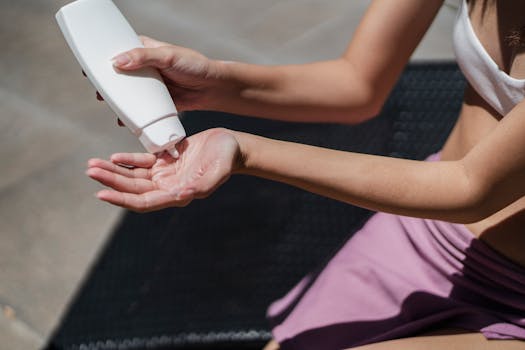 Photo: Armin Rimoldi / Pexels
 Photo: www.kaboompics.com / Pexels
 Photo: www.kaboompics.com / Pexels