✓ Korean skincare emphasizes prevention and hydration.
✓ The 10-step routine is a framework, not a rigid rule.
✓ Double cleansing is foundational for effective product absorption.
✓ Consistency is more crucial than using countless products.
How It Works
1
Double Cleanse Effectively
Start with an oil-based cleanser to dissolve makeup and impurities, followed by a water-based cleanser for a deep, refreshing clean.
2
Hydrate and Treat
Layer toners, essences, and serums to infuse your skin with moisture and target specific concerns like brightening or anti-aging.
3
Nourish and Protect
Seal in all the goodness with a moisturizer and always finish with a broad-spectrum SPF during the day for ultimate skin defense.
4
Listen to Your Skin
Adjust products and steps based on your skin's changing needs and environmental factors. Customization is key to K-beauty success.
Understanding the Philosophy Behind the Korean Skincare Routine
Photo: Brian Phetmeuangmay / Pexels
The world of Korean skincare, often dubbed K-beauty, isn't just about a set of products; it's a comprehensive philosophy rooted in prevention, hydration, and gentle care. Unlike Western approaches that often focus on corrective measures once skin issues arise, K-beauty prioritizes maintaining skin health from an early age, treating the skin as an ecosystem that thrives on consistent nurturing. This proactive stance is what leads to the coveted 'glass skin' effect – skin so smooth, luminous, and poreless it resembles polished glass. The core principles revolve around layering thin, highly concentrated products to deliver maximum benefits without overwhelming the skin. This multi-step approach ensures that every aspect of skin health, from cleansing to protection, is meticulously addressed. It's about building a strong skin barrier, providing deep hydration, and targeting concerns with precision, rather than relying on a single 'miracle' product. The emphasis on gentle formulations and natural ingredients also plays a significant role, reflecting a holistic view of beauty that extends beyond superficial appearance. Many K-beauty products are formulated with traditional Korean herbal medicine (Hanbang) ingredients, known for their healing and rejuvenating properties. This deep respect for natural remedies combines with cutting-edge scientific innovation to create products that are both effective and kind to the skin. Consumers are encouraged to understand their skin type and concerns, becoming active participants in their skincare journey rather than passively applying products. This mindful approach fosters a deeper connection with one's skin, leading to more informed choices and ultimately, better results. The routine isn't a rigid dogma but a flexible framework, encouraging individuals to adapt and personalize it to their unique needs. This adaptability is key to its widespread appeal and effectiveness across diverse skin types and concerns. The meticulous layering allows for better absorption of active ingredients, ensuring that each product has a chance to deliver its benefits without being diluted or inhibited by others. For example, applying a hydrating toner before a serum can significantly boost the serum's efficacy by preparing the skin to receive it. This synergy between products is a hallmark of the Korean skincare philosophy, creating a powerful cumulative effect that transforms the complexion over time. It's a commitment, a ritual, and for many, a form of self-care. Discover more about K-beauty trends.
Demystifying the 10-Step Korean Skincare Routine: A Deep Dive into Each Stage
While often referred to as the '10-step routine,' it's more accurately described as a comprehensive framework that can be customized based on your skin's needs and the time you have. Each step serves a distinct purpose, building upon the previous one to create an optimal environment for skin health and radiance. Let's break down each component:
**1. Oil-Based Cleanser:** The first and arguably most crucial step in the double-cleansing method. Oil cleansers, often in balm or liquid form, effectively dissolve oil-based impurities like makeup (even waterproof mascara!), sunscreen, and excess sebum without stripping the skin's natural oils. This ensures a clean slate for subsequent steps. Massage gently onto dry skin for about 60 seconds, then emulsify with water before rinsing.
**2. Water-Based Cleanser:** Following the oil cleanser, a gentle water-based cleanser (foam, gel, or cream) removes any remaining residue, sweat, and dirt. This two-pronged cleansing approach ensures your skin is thoroughly clean, allowing other products to penetrate more effectively. Choose a low-pH cleanser to maintain your skin's natural barrier.
**3. Exfoliator (1-3 times a week):** This step removes dead skin cells, promoting cell turnover and revealing brighter, smoother skin. Exfoliants can be physical (gentle scrubs) or chemical (AHAs, BHAs). Over-exfoliation can damage the skin barrier, so use sparingly and listen to your skin. Focus on areas prone to blackheads or dullness.
**4. Toner:** Often misunderstood, Korean toners are not astringent; they are hydrating and balance the skin's pH after cleansing, preparing it to better absorb the next layers of product. They come in various forms, from watery to slightly viscous, and can be applied with a cotton pad or patted directly onto the skin. Look for ingredients like hyaluronic acid or ceramides.
**5. Essence:** Considered the heart of the Korean skincare routine, essences are lightweight, concentrated liquids that deliver a potent dose of hydrating and active ingredients deep into the skin. They are typically less viscous than serums but more concentrated than toners, focusing on cellular repair and hydration. Pat gently onto the face and neck.
**6. Serum/Ampoule:** These are targeted treatments designed to address specific skin concerns such as hyperpigmentation, fine lines, acne, or dullness. Serums are generally lighter, while ampoules are even more concentrated and often used for shorter periods to tackle acute issues. Apply a few drops to areas of concern or all over the face.
**7. Sheet Mask (2-3 times a week):** A beloved K-beauty ritual, sheet masks are soaked in highly concentrated serum and provide an intense boost of hydration and nutrients. They force the skin to absorb the ingredients by creating a barrier that prevents evaporation. Relax for 15-20 minutes, then pat in the remaining essence.
**8. Eye Cream:** The delicate skin around the eyes is thinner and more prone to showing signs of aging. Eye creams are formulated specifically for this area, providing hydration and targeting concerns like dark circles, puffiness, and fine lines. Gently tap a small amount around the orbital bone with your ring finger.
**9. Moisturizer:** This step seals in all the previous layers of hydration and active ingredients, forming a protective barrier to prevent moisture loss. Choose a moisturizer appropriate for your skin type – gel for oily skin, cream for dry skin, or lotion for combination. Apply evenly to the face and neck.
**10. SPF (Morning Routine Only):** Non-negotiable for daytime. Sunscreen is the ultimate anti-aging product, protecting your skin from harmful UV rays that cause premature aging, hyperpigmentation, and skin cancer. Apply a broad-spectrum SPF of 30 or higher as the very last step in your morning routine, even on cloudy days. Reapply every two hours if exposed to direct sunlight.
Customizing Your Korean Skincare Journey for Optimal Results
While the 10-step routine provides an excellent foundation, true K-beauty mastery lies in customization. Your skin is unique and constantly changing due to factors like climate, diet, stress, and hormonal fluctuations. Therefore, a rigid adherence to all 10 steps every single day might not always be necessary or even beneficial. The key is to listen to your skin and adjust your routine accordingly. For instance, if you have oily skin, you might opt for lighter gel-based products and perhaps skip the oil cleanser in the morning if your skin doesn't feel particularly oily. Conversely, those with dry skin might incorporate hydrating facial mists throughout the day or layer multiple essences for an extra boost of moisture. Similarly, exfoliation should be done judiciously; while it's crucial for removing dead skin cells, over-exfoliating can compromise your skin barrier, leading to irritation and sensitivity. Start with once a week and increase if your skin tolerates it well, opting for chemical exfoliants (like PHAs for sensitive skin) over harsh physical scrubs.
Another important aspect of customization involves product selection. Korean skincare offers a vast array of ingredients catering to every conceivable skin concern. For acne-prone skin, look for products containing salicylic acid (BHA), tea tree oil, or centella asiatica. If anti-aging is your primary concern, ingredients like retinol, peptides, ginseng, and snail mucin are highly effective. For brightening and reducing hyperpigmentation, vitamin C, niacinamide, and licorice root extract are excellent choices. Don't feel pressured to use ten different products if your skin is happy with fewer. On busy mornings, a streamlined routine might involve cleansing, toning, a serum, moisturizer, and SPF. In the evenings, you might choose to incorporate more treatment-focused steps like a sheet mask or a heavier night cream. The goal is to create a routine that is sustainable, enjoyable, and effective for *your* skin. Pay attention to how your skin reacts to new products; patch testing is always recommended. Introduce new products one at a time to identify any potential irritants. This personalized approach is what makes K-beauty so powerful and adaptable, moving beyond a one-size-fits-all solution to a truly individualized path to healthy, glowing skin. Learn more about identifying your skin type.
Common Mistakes to Avoid and Expert Tips for K-Beauty Success
Embarking on a Korean skincare journey can be incredibly rewarding, but it’s easy to fall into common traps that can hinder your progress. Avoiding these pitfalls will ensure you get the most out of your efforts and achieve the radiant complexion you desire.
**Common Mistakes to Avoid:**
* **Over-exfoliating:** While exfoliation is key for cell turnover, doing it too frequently or using harsh physical scrubs can damage your skin barrier, leading to redness, irritation, and increased sensitivity. Limit exfoliation to 1-3 times a week, depending on your skin type and product strength.
* **Not patch testing new products:** Introducing multiple new products at once or skipping a patch test can make it difficult to identify the culprit if you experience a breakout or irritation. Always test new products on a small, inconspicuous area of your skin for a few days before applying them to your entire face.
* **Skipping SPF:** This is perhaps the biggest mistake. All the effort you put into cleansing, hydrating, and treating your skin will be undermined if you don't protect it from UV damage. SPF is your ultimate anti-aging and skin-health shield. Apply it daily, rain or shine, and reapply as needed.
* **Ignoring your neck and décolletage:** Skincare shouldn't stop at your jawline. Your neck and chest are just as susceptible to aging and sun damage. Extend all your skincare steps, especially cleansing, moisturizing, and SPF, down to these areas.
* **Expecting instant results:** Korean skincare is about consistency and long-term skin health. While you might see some improvements quickly, significant changes often take weeks or even months. Be patient and consistent.
* **Using too many active ingredients at once:** Layering too many potent actives (like multiple forms of Vitamin C, Retinol, and AHAs) can lead to irritation and compromise your skin barrier. Introduce actives slowly and alternate them if necessary.
**Expert Tips for K-Beauty Success:**
* **Listen to your skin:** This is the golden rule. Your skin's needs change with seasons, stress, and hormones. Be attentive to how it feels and adjust your routine accordingly. Some days you might need more hydration, others less exfoliation.
* **Massage products gently:** Don't drag or pull at your skin. Use gentle, upward, patting motions when applying products to encourage absorption and stimulate circulation without causing unnecessary friction.
* **Don't forget the 'damp skin' rule:** Many products, especially toners and essences, absorb better when applied to slightly damp skin. This helps to lock in moisture.
* **Hydration, hydration, hydration:** The cornerstone of K-beauty. Layering hydrating products is crucial for plump, dewy skin. Look for ingredients like hyaluronic acid, glycerin, ceramides, and snail mucin.
* **Clean your tools:** Regularly clean your makeup brushes, sponges, and even your hands before touching your face to prevent bacterial transfer.
* **Consider a humidifier:** Especially in dry climates or during winter, a humidifier can add moisture to the air, preventing your skin from drying out overnight.
* **Prioritize sleep and diet:** Skincare isn't just topical. A balanced diet, adequate sleep, and stress management significantly impact your skin's health and appearance.
Comparison
Feature
Korean Skincare
Typical Western Skincare
Natural/Organic Skincare
Philosophy
Prevention, Layering, Hydration
Correction, Problem-focused
Minimal processing, Plant-based
Routine Complexity
Multi-step (5-10+)
Streamlined (3-5 steps)
Varied, often simpler
Product Texture
Light, Layerable
Often heavier creams
Oil-based, Balms
Ingredient Focus
Innovation + Traditional (Hanbang)
Active ingredients (Retinoids, Acids)
Botanicals, Essential Oils
Sun Protection Emphasis
High (Daily, High SPF)
Moderate (Often optional)
Variable, mineral-based
Customization
✓
✗
✓
Glass Skin Goal
✓
✗
✗
What Readers Say
★★★★★
"This guide to Korean skincare routine steps completely transformed my approach to beauty. My skin has never looked clearer or felt more hydrated. The detailed explanations for each step made it so easy to follow!"
Sarah K. · Los Angeles, CA
★★★★★
"As a beginner, I was overwhelmed by K-beauty, but this guide broke it down perfectly. I now have a solid routine that makes my skin feel incredibly soft and look genuinely radiant. Highly recommend for anyone curious about K-beauty."
David M. · New York, NY
★★★★★
"After following the advice in this guide, I finally achieved that 'glass skin' look I've always dreamed of. My breakouts have reduced dramatically, and my skin tone is much more even. It truly works!"
Jessica L. · Austin, TX
★★★★★
"The guide to Korean skincare routine steps is very comprehensive, though it took some trial and error to find the exact products for my skin. The emphasis on listening to your skin was particularly helpful, and I'm seeing great results now."
Mark T. · Chicago, IL
★★★★★
"I used to have very dull, dehydrated skin. This guide introduced me to the power of layering hydration and gentle care. My skin now has a healthy glow, even in this humid climate. A game-changer!"
Emily R. · Miami, FL
Frequently Asked Questions
What is the most important step in the Korean skincare routine?
While all steps contribute to overall skin health, double cleansing (oil-based followed by water-based) is arguably the most crucial. It ensures your skin is thoroughly clean, allowing subsequent products to penetrate and work effectively without being hindered by makeup, sunscreen, or impurities. Consistency in sun protection (SPF) is equally vital for long-term skin health.
Is the 10-step Korean skincare routine necessary every day?
Not necessarily. The '10-step' routine is a comprehensive framework, not a rigid rule. It's designed to show all the potential layers. Most people customize it daily, using fewer steps in the morning (e.g., 5-7 steps) and potentially more in the evening (e.g., 7-10 steps) or on specific days for targeted treatments like sheet masks or exfoliation. Listen to your skin's needs.
How do I choose the right Korean skincare products for my skin type?
Start by identifying your skin type (oily, dry, combination, sensitive, normal) and primary concerns (acne, aging, hyperpigmentation). Research products specifically formulated for those concerns. Read reviews, check ingredient lists for beneficial actives and potential irritants, and consider patch testing new products before full application. Many K-beauty brands offer lines tailored to specific skin types.
Is Korean skincare expensive to maintain?
Korean skincare offers a vast range of products across all price points, from affordable drugstore options to high-end luxury brands. While some products can be pricey, many effective and high-quality options are very budget-friendly. The key is to invest in a few core products that work well for you and customize your routine, rather than buying every single step from a premium brand.
How does Korean skincare compare to Western skincare approaches?
Korean skincare emphasizes prevention, hydration, and layering multiple lightweight products for a cumulative effect, often focusing on gentle formulations and traditional ingredients. Western skincare traditionally focuses more on corrective treatments for existing issues, often using fewer, heavier products with higher concentrations of active ingredients. Both have merits, but K-beauty's holistic, proactive approach sets it apart.
Who should follow a guide to Korean skincare routine steps?
Anyone looking to improve their skin health, achieve a radiant complexion, or address specific concerns like dryness, dullness, or uneven skin tone can benefit. It's particularly well-suited for individuals who enjoy a ritualistic approach to self-care and are committed to consistent, gentle skincare practices. It's adaptable for all skin types and ages.
Are there any risks or side effects to using a Korean skincare routine?
Generally, Korean skincare products are formulated to be gentle. However, as with any skincare, individual reactions can occur. Potential risks include irritation from over-exfoliation, allergic reactions to specific ingredients, or breakouts if products are not suitable for your skin type. Always patch test new products and introduce them slowly. If severe irritation occurs, discontinue use and consult a dermatologist.
What are the emerging trends in Korean skincare?
Future trends in Korean skincare continue to focus on personalization through AI-driven skin analysis, sustainable and 'skinimalist' approaches (fewer, multi-tasking products), and advanced microbiome-balancing ingredients. There's also a growing emphasis on 'clean beauty' formulations, incorporating more fermented ingredients, and creating products that protect against environmental stressors like blue light and pollution.
Ready to unlock your most radiant skin? This comprehensive guide to Korean skincare routine steps provides all the knowledge you need to start your transformative K-beauty journey. Embrace the ritual, listen to your skin, and discover the path to a healthy, glowing complexion today.

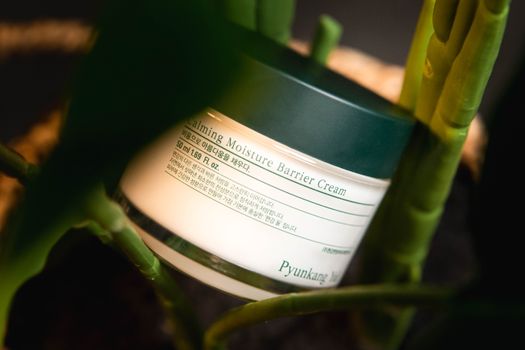 Photo: Brian Phetmeuangmay / Pexels