Your Ultimate Vegan Skincare Routine for Beginners
vegan skincare routine for beginners

Your Ultimate Vegan Skincare Routine for Beginners

Embark on a journey to healthier, more radiant skin with our easy-to-follow vegan skincare guide.

Start Your Vegan Glow

Key Takeaways

  • ✓ Vegan skincare avoids all animal-derived ingredients and byproducts.
  • ✓ Cruelty-free means no animal testing, but not necessarily vegan.
  • ✓ Many common skincare ingredients are animal-derived (e.g., lanolin, carmine, collagen).
  • ✓ Transitioning to vegan skincare can benefit sensitive skin and the environment.
  • ✓ Ingredient labels are crucial for identifying truly vegan products.

How It Works

1
Understand Vegan vs. Cruelty-Free

Learn the vital distinction between products that are simply not tested on animals and those that also contain no animal-derived ingredients. This knowledge is your first step to making informed choices.

2
Identify Key Vegan Ingredients

Familiarize yourself with common plant-based alternatives to animal ingredients like hyaluronic acid from fermentation, plant-derived squalane, and botanical oils. This helps you confidently select effective products.

3
Build Your Core Routine

Start with the essential steps: cleanse, treat, moisturize, and protect. Focus on finding one vegan product for each category to establish a solid foundation without overwhelming yourself.

4
Patch Test and Observe

Always introduce new products one at a time and patch test them on a small area of skin. Pay attention to how your skin reacts to ensure compatibility and avoid potential irritation.

Understanding Vegan Skincare: More Than Just Cruelty-Free
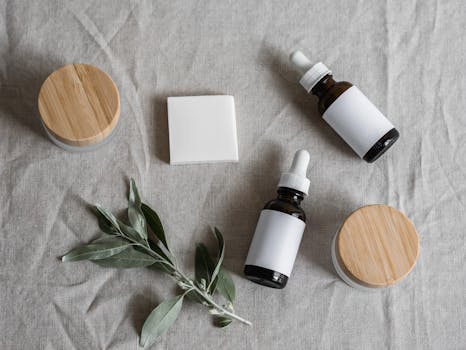
Top view of skincare products with a natural theme, featuring bottles, jars, and a plant on linen cloth. Photo: Polina ⠀ / Pexels
Embarking on a vegan skincare journey is an exciting step towards a more ethical and potentially healthier approach to beauty. For beginners, the landscape can seem daunting, filled with jargon and an overwhelming array of products. The first and most crucial distinction to grasp is the difference between 'vegan' and 'cruelty-free'. While often used interchangeably, they are not the same. Cruelty-free simply means that a product and its ingredients were not tested on animals at any stage of development. This is a fantastic ethical stance, but a cruelty-free product can still contain animal-derived ingredients. Think of beeswax in lip balms, lanolin (from sheep's wool) in moisturizers, carmine (from crushed insects) for red pigments, or collagen and elastin (often from animal connective tissues) in anti-aging serums. A truly vegan skincare product, on the other hand, contains absolutely no animal-derived ingredients or byproducts, in addition to being cruelty-free. This commitment extends to every component, from the active ingredients to the emulsifiers and preservatives. Why does this matter? Beyond the ethical considerations of animal welfare, many people find that animal-derived ingredients can be less compatible with their skin, especially for those with sensitivities or allergies. Plant-based alternatives often offer powerful benefits without the potential for irritation. For instance, instead of animal-derived collagen, vegan formulations might use plant-based peptides or bakuchiol to stimulate the skin's natural collagen production. Hyaluronic acid, a popular hydrating ingredient, can be derived from animal sources (like rooster combs) or, more commonly in vegan products, through bacterial fermentation. Squalane, a fantastic emollient, can come from shark liver or, in vegan options, from olives or sugarcane. Understanding these nuances empowers you to make truly informed choices, ensuring your routine aligns with both your values and your skin's needs. It's about looking beyond the marketing claims and delving into the ingredient list, which can feel like learning a new language at first, but becomes second nature with practice. This foundational knowledge is the cornerstone of building an effective ethical beauty routine that truly serves you and the planet.

Building Your Essential Vegan Skincare Routine Step-by-Step
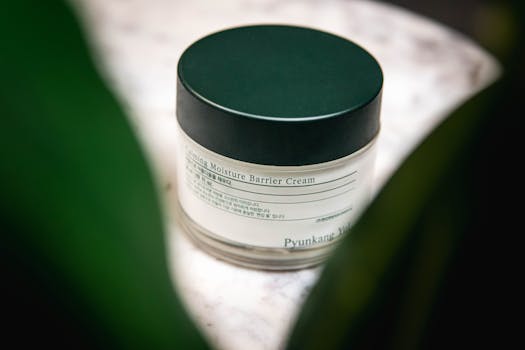
Close-up of Pyunkang Yul Calming Moisture Barrier Cream displayed on a marble surface. Photo: Brian Phetmeuangmay / Pexels
For beginners, simplicity is key. You don't need a 10-step routine right away. A basic, effective vegan skincare routine focuses on four core steps: cleansing, treating, moisturizing, and protecting. **Step 1: Cleansing (Morning & Night)** Your cleanser is the foundation. Its job is to remove dirt, oil, makeup, and impurities without stripping your skin of its natural moisture. For a vegan routine, look for gentle, sulfate-free cleansers. Ingredients like aloe vera, green tea extract, and various fruit enzymes are excellent plant-based options that cleanse effectively while soothing the skin. Avoid harsh foaming agents that can leave your skin feeling tight or dry. A good vegan cleanser should leave your skin feeling clean, soft, and refreshed, not irritated. In the morning, a light cleanse helps remove any overnight buildup. At night, a thorough cleanse is crucial, especially if you wear makeup or SPF, to prepare your skin for treatment and repair. **Step 2: Treating (Morning & Night, as needed)** This step is where you address specific skin concerns. For beginners, a simple serum is a great start. Vitamin C serums, often stabilized with plant-derived antioxidants, are fantastic for brightening the skin, protecting against environmental damage, and stimulating collagen. Hyaluronic acid serums, derived from fermentation, provide intense hydration. For those concerned with breakouts, salicylic acid (a beta-hydroxy acid, or BHA) derived from willow bark can be an excellent vegan option. Niacinamide (Vitamin B3) is another versatile vegan ingredient that helps with pore appearance, uneven skin tone, and barrier function. When choosing a treatment, identify your primary concern – hydration, brightness, or mild acne – and select one targeted serum. Remember to introduce new treatments slowly to avoid overwhelming your skin. **Step 3: Moisturizing (Morning & Night)** Moisturizer is non-negotiable. It locks in hydration, strengthens your skin's barrier, and keeps it supple. Vegan moisturizers often feature rich plant oils like jojoba, argan, sunflower, or shea butter, along with humectants like glycerin (plant-derived) and hyaluronic acid. For oily or acne-prone skin, look for lighter, non-comedogenic lotions. For dry skin, richer creams with ceramides (often plant-derived or synthetic) and occlusives like plant waxes can be beneficial. The goal is to find a moisturizer that keeps your skin comfortable and protected throughout the day and night. Applying moisturizer to slightly damp skin can help seal in more hydration. **Step 4: Protecting (Morning)** Sunscreen is the most important anti-aging and skin health product you can use. For a vegan routine, look for mineral sunscreens that use zinc oxide and/or titanium dioxide as their active ingredients. These are physical blockers that sit on top of the skin and reflect UV rays, and they are inherently vegan. Many chemical sunscreens contain animal-derived ingredients or are tested on animals, so always double-check. Aim for an SPF of 30 or higher and apply it every morning, even on cloudy days. Sunscreen protects against premature aging, hyperpigmentation, and most importantly, skin cancer. It’s the final, crucial step in your morning routine to safeguard all the effort you put into the previous steps.

Navigating Labels and Certifications for Truly Vegan Products
Elegant product mockup featuring a dark glass jar and eucalyptus on a white background. Photo: KATRIN BOLOVTSOVA / Pexels
One of the biggest hurdles for beginners in vegan skincare is deciphering product labels. The beauty industry isn't always transparent, and terms can be misleading. To ensure you're truly buying vegan, you need to become a label detective. Start by looking for specific vegan certifications. Reputable certifications include The Vegan Society's sunflower logo, PETA's 'Vegan' bunny logo, and Vegan Action's 'Certified Vegan' logo. These third-party certifications mean that the product has been rigorously vetted to ensure no animal ingredients or byproducts were used, and often confirm cruelty-free status as well. However, not all vegan brands can afford or choose to get certified, so their products might still be vegan even without a logo. In these cases, you'll need to scrutinize the ingredient list yourself. Common animal-derived ingredients to watch out for include: * **Lanolin:** From sheep's wool (found in many moisturizers, lip balms). * **Beeswax/Honey/Propolis/Royal Jelly:** From bees (common in balms, creams). * **Carmine/Cochnine:** Red pigment from crushed insects (in makeup, some skincare). * **Collagen/Elastin:** From animal connective tissues (anti-aging products). * **Guanine:** From fish scales (shimmer in makeup, some serums). * **Squalene:** From shark liver (often replaced by plant-derived squalane). * **Glycerin (sometimes):** Can be animal or plant-derived. If not specified as 'vegetable glycerin', it's worth checking with the brand. * **Stearic Acid/Palmitic Acid:** Can be animal or plant-derived. Again, look for 'vegetable stearic acid' or confirm with the brand. * **Keratin:** From animal hair, hooves, feathers (hair care, some skincare). When in doubt, a quick search for the ingredient name followed by 'vegan source' can often clarify its origin. Many brands also list their full ingredient dictionary on their website, often specifying which ingredients are plant-derived or synthetic. Don't be afraid to reach out to customer service if you're unsure about a particular product's vegan status. Many brands are happy to provide clarification. Over time, you'll develop an eye for common vegan ingredients and brands, making the shopping process much smoother. Remember, the goal is progress, not perfection. Every conscious choice you make contributes to a more ethical and sustainable beauty world. For more on ingredient transparency, check out our guide on understanding beauty product labels.

Tips for a Smooth Transition and Common Vegan Skincare Mistakes to Avoid

Transitioning to a vegan skincare routine doesn't have to be an overnight overhaul. Here are some tips for a smooth switch and common mistakes to avoid: **Tips for a Smooth Transition:** * **Go Slow:** Don't throw out all your non-vegan products at once. As products run out, replace them with vegan alternatives. This prevents waste and allows your skin to adjust gradually. * **Research Brands, Not Just Products:** Once you find a vegan brand you love, it's easier to explore their other offerings with confidence. Many brands are fully vegan across their entire line. * **Read Reviews (Critically):** Look for reviews from people with similar skin types and concerns. Remember that everyone's skin is unique. * **Prioritize SPF:** As mentioned, sunscreen is vital. Ensure your daily SPF is vegan and apply it religiously. * **Hydration from Within:** Complement your topical routine by drinking plenty of water. Hydrated skin starts from the inside out. * **Be Patient:** It takes time for your skin to adjust to new products and for you to see results. Give new products at least 4-6 weeks before deciding if they work for you. **Common Vegan Skincare Mistakes to Avoid:** * **Assuming 'Natural' or 'Organic' Means Vegan:** These terms relate to how ingredients are grown or processed, not whether they contain animal products. A product can be organic but still contain beeswax or honey. * **Over-Exfoliating:** Just because a product is plant-based doesn't mean it's gentle. Over-exfoliation, whether physical or chemical, can damage your skin barrier. Stick to 1-2 times a week for most exfoliants. * **Ignoring Your Skin Type:** Vegan skincare still needs to be tailored to your specific skin type (oily, dry, combination, sensitive). Don't just buy a product because it's vegan; ensure it's suitable for your needs. * **Forgetting Patch Testing:** Always patch test new products, especially if you have sensitive skin. Apply a small amount to an inconspicuous area (like behind your ear or on your inner forearm) for 24-48 hours to check for reactions. * **Neglecting Internal Health:** Skincare is only one piece of the puzzle. A balanced diet, sufficient sleep, and stress management all play a significant role in skin health. Vegan skincare is a fantastic choice, but it works best in conjunction with a holistic approach to well-being.

Comparison

FeatureBest Option for BeginnersAlternative 1 (Budget)Alternative 2 (Luxury)
CleanserGentle Cream Cleanser (e.g., Pacifica Sea Foam Complete Face Wash)Acure Brightening Cleansing GelTata Harper Regenerating Cleanser
SerumHyaluronic Acid Serum (e.g., The Ordinary Hyaluronic Acid 2% + B5)Mad Hippie Vitamin C SerumHerbivore Botanicals Emerald Deep Moisture Glow Oil
MoisturizerLightweight Face Lotion (e.g., Versed Skin Soak Rich Moisture Cream)Elf Holy Hydration! Face CreamDrunk Elephant Protini Polypeptide Cream
SPFMineral Sunscreen SPF 30+ (e.g., Supergoop! Mineral Sheerscreen SPF 30)Sun Bum Mineral Sunscreen Lotion SPF 30ILIA Super Serum Skin Tint SPF 40

What Readers Say

"Starting my vegan skincare routine for beginners was so easy with this guide! My skin feels incredibly soft and I love knowing I'm using ethical products. No more guessing games with ingredients."

Sarah J. · Austin, TX

"I was skeptical about switching, but this routine made it simple. My acne has calmed down significantly, and I appreciate the clear distinction between vegan and cruelty-free. Highly recommend for any beginner."

Michael P. · Portland, OR

"After 6 weeks on this beginner vegan skincare routine, my redness has visibly reduced and my skin has a healthy glow I haven't seen in years. The product recommendations were spot on and effective."

Jessica L. · Denver, CO

"The guide was very helpful, though finding truly vegan SPF that doesn't leave a white cast took a bit of trial and error. Overall, a great starting point for anyone looking to go plant-based with their skincare."

David R. · Miami, FL

"As someone with sensitive skin, this vegan skincare routine for beginners has been a game-changer. My skin feels nourished and calm, without any irritation, which is a huge win for me."

Emily K. · Seattle, WA

Frequently Asked Questions

What is the absolute bare minimum for a vegan skincare routine for beginners?

The bare minimum for a vegan skincare routine for beginners includes a gentle vegan cleanser, a vegan moisturizer, and a vegan mineral sunscreen (for daytime). These three steps form the foundation for healthy, protected skin.

Will vegan skincare products be less effective than traditional ones?

Absolutely not. Vegan skincare has advanced significantly, utilizing powerful plant-derived ingredients and innovative biotechnology to create highly effective formulations that rival or even surpass traditional products. Many find them gentler and more suitable for sensitive skin.

How do I know if a product is truly vegan if it doesn't have a certification?

If a product lacks a vegan certification, you'll need to carefully read the ingredient list. Look for common animal-derived ingredients to avoid (like beeswax, lanolin, carmine, collagen). Many brands will also state 'vegan' or '100% plant-based' on their packaging or website, or you can contact their customer service for confirmation.

Is vegan skincare more expensive than regular skincare?

Not necessarily. While some high-end vegan brands exist, there are many affordable and accessible vegan skincare options available at drugstores and mass retailers. The price largely depends on the brand, ingredients, and formulation, just like with non-vegan products.

How does vegan skincare compare to 'natural' or 'organic' skincare?

Vegan skincare focuses specifically on the absence of animal-derived ingredients. 'Natural' or 'organic' skincare refers to how ingredients are sourced and processed (e.g., grown without pesticides). A product can be natural or organic but still contain animal products (like organic honey), and conversely, a vegan product might contain synthetic ingredients that aren't 'natural' but are safe and effective.

Who should consider switching to a vegan skincare routine?

Anyone concerned with animal welfare, environmental impact, or those seeking potentially gentler alternatives for sensitive or reactive skin should consider a vegan skincare routine. It's also a great option for individuals looking to align their beauty choices with a vegan lifestyle.

Are there any risks or downsides to using vegan skincare?

Generally, there are no inherent risks to using vegan skincare. As with any product, individual sensitivities can occur, so patch testing is always recommended. The main 'downside' for beginners can be the initial learning curve of identifying truly vegan products and ingredients.

What are the future trends in vegan skincare?

Future trends in vegan skincare are leaning towards even more sustainable packaging, upcycled ingredients (using food waste byproducts), advanced biotechnology for creating high-performance plant-based actives, and personalized vegan formulations tailored to individual skin microbiomes.

Ready to embrace a kinder, more conscious approach to beauty? Start your vegan skincare routine for beginners today and discover the transformative power of plant-based ingredients for radiant, healthy skin. Your journey to a truly ethical glow begins now.

Topics: vegan skincare routine for beginnerscruelty-free beautyplant-based skincareethical skincarenatural skincare tips
Leo List

DK Escorts LU Escorts AT Escorts SE Escorts FI Escorts CH Escorts DE Escorts HR Escorts IE Escorts GR Escorts CZ Escorts NO Escorts BE Escorts FR Escorts SI Escorts IL Escorts NL Escorts PL Escorts HU Escorts ES Escorts IT Escorts PT Escorts SK Escorts RO Escorts ZA Escorts UY Escorts US Escorts UK Escorts NZ Escorts AU Escorts
Brampton weed
Adultwork EstrelaBet Vai de Bet R7 Bet Betão Galera Bet Rainbet Bet9ja Shop SportyBet BetKing Sisal Loto Foot Hollywoodbets YesPlay Odibets RushBet Jugabet BetWarrior BetCity MSport betPawa Fortebet