✓ Parabens are synthetic preservatives used in cosmetics and personal care products.
✓ Their primary function is to prevent microbial growth, extending product shelf life.
✓ Common parabens include methylparaben, propylparaben, butylparaben, and ethylparaben.
✓ Concerns about parabens primarily revolve around their potential endocrine-disrupting properties.
How It Works
1
Preservation Power
Parabens work by inhibiting the growth of bacteria, fungi, and other microbes. This protective action prevents product spoilage, ensuring your cosmetics remain safe and effective for longer.
2
Absorption & Metabolism
When applied to the skin, parabens can be absorbed into the body. Once absorbed, they are typically metabolized and excreted, though detectable levels can sometimes remain.
3
Mimicking Estrogen
A primary concern is their ability to weakly mimic estrogen, a natural hormone. This 'endocrine-disrupting' potential is what fuels much of the debate around their safety.
4
Regulatory Oversight
Regulatory bodies worldwide, including the FDA in the US, continuously review scientific data on parabens. They set limits on concentrations and monitor new research to ensure consumer safety.
Understanding the Role of Parabens in Cosmetic Preservation
Photo: turek / Pexels
To truly understand what are parabens in cosmetics, we must first delve into their fundamental purpose: preservation. In an industry where products are often stored for extended periods, exposed to air, and come into contact with skin (and thus, bacteria), preventing microbial contamination is paramount. Imagine a luxurious face cream or a vibrant lipstick that, after just a few weeks, starts to grow mold or harbor harmful bacteria. Not only would this be aesthetically displeasing, but it could also pose significant health risks, leading to skin infections, irritation, or other adverse reactions. This is where preservatives, including parabens, step in. They act as antimicrobial agents, effectively inhibiting the growth of a wide spectrum of microorganisms, including bacteria, yeasts, and molds. This protective function is crucial for maintaining the integrity, safety, and efficacy of cosmetic products throughout their intended shelf life. Without effective preservation, many products would spoil quickly, rendering them unusable and potentially dangerous. The efficacy of parabens as broad-spectrum preservatives has made them a popular choice for decades, offering a cost-effective and highly reliable solution to a critical industry challenge. They are effective across a wide pH range and are stable under various manufacturing conditions, making them versatile for different cosmetic formulations. Different types of parabens, such as methylparaben, ethylparaben, propylparaben, and butylparaben, are often used in combination to provide a more robust and comprehensive preservative system, targeting different types of microbes. This synergistic approach ensures that products are protected against a broader range of potential contaminants. The debate surrounding parabens often overshadows their historical role as highly effective and widely used ingredients that have, for a long time, been instrumental in ensuring cosmetic safety and preventing product spoilage. Their widespread use was not arbitrary; it was based on their proven ability to safeguard consumer health by preventing microbial contamination. However, as scientific understanding evolves and consumer awareness grows, the conversation around these preservatives has become increasingly nuanced, prompting a closer look at their long-term implications and the availability of alternatives. Understanding this foundational role is key to appreciating the larger discussion around their presence in our daily beauty routines and why the industry has relied on them for so long. Explore the science behind cosmetic ingredients to gain a deeper understanding of how these formulations work.
The Science Behind Paraben Concerns: Endocrine Disruption and Health
Photo: Google DeepMind / Pexels
The widespread concern surrounding what are parabens in cosmetics stems primarily from scientific studies suggesting they can act as endocrine disruptors. Endocrine disruptors are chemicals that can interfere with the body's endocrine (hormone) system and produce adverse developmental, reproductive, neurological, and immune effects in both humans and wildlife. Specifically, parabens have been shown to weakly mimic estrogen, a natural hormone in the body. While the estrogenic activity of individual parabens is significantly weaker than that of naturally occurring estrogen, the concern arises from potential cumulative exposure from various sources and the long-term effects of even low-level exposure. Research into paraben's potential effects began to gain traction in the early 2000s, with a notable study in 2004 detecting parabens in human breast cancer tissue. This finding, while not establishing a causal link between parabens and cancer, sparked significant public and scientific debate, leading to increased scrutiny of paraben safety. Subsequent studies, both in vitro (test tube) and in vivo (animal studies), have further explored the estrogenic activity of parabens and their potential impact on hormonal balance. These studies have indicated that parabens can bind to estrogen receptors, potentially influencing hormonal signaling pathways. The implications of such disruption are vast, ranging from potential effects on reproductive health, such as altered fertility or development, to concerns about their role in hormone-sensitive cancers. However, it's crucial to acknowledge that much of this research involves high doses or specific conditions that may not directly translate to typical human exposure levels from cosmetic products. Regulatory bodies, such as the U.S. Food and Drug Administration (FDA) and the European Commission, have continuously reviewed the scientific evidence. The FDA, for instance, states that while parabens have been shown to have weak estrogen-like properties, they currently do not have sufficient evidence to conclude that parabens in cosmetics pose a health risk. The European Union has taken a more precautionary approach, restricting the use of some parabens (e.g., isopropylparaben, isobutylparaben) and setting maximum concentration limits for others. This regulatory divergence highlights the ongoing scientific debate and the varying interpretations of available data. Consumers are increasingly seeking 'paraben-free' labels, reflecting a growing desire for transparency and products perceived to be safer. This demand has spurred innovation in the cosmetic industry, leading to the development and adoption of alternative preservation systems. Understanding the scientific basis of these concerns, while also acknowledging the complexity and ongoing nature of the research, empowers consumers to make informed choices that align with their personal health philosophy.
Identifying Parabens and Navigating the 'Paraben-Free' Landscape
Photo: Andrzej Gdula / Pexels
For consumers keen to understand what are parabens in cosmetics and potentially avoid them, the first step is knowing how to identify them on ingredient labels. Parabens are typically listed with suffixes like '-paraben.' The most common types you'll encounter include methylparaben, ethylparaben, propylparaben, and butylparaben. You might also see less common ones like isobutylparaben or isopropylparaben. Often, multiple parabens are used in a single product to create a broad-spectrum preservative system, so you may see several listed together. Always check the ingredient list, usually found on the back or bottom of the product packaging, to confirm their presence. The rise of the 'paraben-free' movement has led to a proliferation of products bearing this claim. While this label can be a clear indicator for consumers looking to avoid parabens, it's essential to understand what it truly signifies. A 'paraben-free' product simply means it does not contain any paraben preservatives. However, it does not mean the product is preservative-free. All water-containing cosmetic products require some form of preservation to prevent microbial growth and ensure safety. Therefore, 'paraben-free' products use alternative preservative systems. These alternatives can include a variety of ingredients, such as phenoxyethanol, benzoic acid, sorbic acid, sodium benzoate, potassium sorbate, caprylyl glycol, or even natural extracts with antimicrobial properties. Each alternative comes with its own set of characteristics, efficacy, and potential sensitivities for different individuals. For example, some natural alternatives may not offer the same broad-spectrum protection as parabens, potentially leading to shorter shelf lives or requiring more complex formulations. Others, like phenoxyethanol, are widely used and considered safe by regulatory bodies but may still be a concern for some consumers. The 'paraben-free' trend also highlights a broader shift in consumer preference towards ingredients perceived as 'cleaner' or more 'natural.' This has prompted a significant investment by cosmetic manufacturers in researching and developing new, effective, and consumer-acceptable preservation solutions. When choosing paraben-free products, it's advisable to research the alternative preservatives used and consider whether they align with your personal preferences and sensitivities. Don't assume 'paraben-free' automatically equates to 'safer' without understanding the alternatives. It simply means a different approach to preservation has been taken. Ultimately, becoming an informed consumer involves reading labels, understanding ingredient functions, and making choices that resonate with your individual health and beauty philosophy. Learn more about 'clean beauty' ingredients and what they mean for your routine.
Making Informed Choices: Weighing Risks and Benefits of Preservatives
Photo: Sam Lion / Pexels
Navigating the world of cosmetic ingredients, especially when it comes to preservatives, requires a balanced perspective. When considering what are parabens in cosmetics and whether to avoid them, it's crucial to weigh the known risks against the undeniable benefits of preservation. On one hand, the scientific concerns about parabens acting as weak endocrine disruptors have led many consumers and brands to seek alternatives. While regulatory bodies like the FDA currently deem them safe at typical usage levels, the precautionary principle drives many to opt for paraben-free products, especially those with sensitive skin or specific health concerns. The long-term effects of cumulative, low-dose exposure are still areas of ongoing research, contributing to consumer apprehension. On the other hand, the primary benefit of parabens, or any effective preservative, is to prevent microbial contamination. Unpreserved or inadequately preserved products can harbor bacteria, fungi, and yeasts, which can lead to serious skin infections, irritation, and product spoilage. This risk is particularly high for products containing water, which is a breeding ground for microorganisms. Therefore, some form of preservation is non-negotiable for most cosmetic formulations. The decision to use or avoid parabens often comes down to individual risk assessment and comfort level. Here are some tips for making informed choices:
* **Read Labels Diligently:** Always check the ingredient list for parabens (methylparaben, propylparaben, etc.) and also for alternative preservatives if you're going paraben-free.
* **Research Alternatives:** Understand what other preservatives are being used in paraben-free products. Ingredients like phenoxyethanol, sodium benzoate, and sorbic acid are common and generally considered safe, but like any ingredient, individual sensitivities can vary.
* **Consider Product Type:** Products with a high water content (creams, lotions, serums) absolutely require robust preservation. Oil-based products or anhydrous (water-free) formulations may require less or different types of preservation.
* **Shelf Life and Storage:** Be mindful of the 'period after opening' (PAO) symbol (an open jar icon) on products. Even well-preserved products have a limited shelf life once opened. Store products correctly to maximize their lifespan and minimize contamination risk.
* **Consult Professionals:** If you have specific health concerns or allergies, consult with a dermatologist or healthcare provider. They can offer personalized advice based on your individual needs.
* **Stay Updated:** The science of cosmetic ingredients is constantly evolving. Keep an eye on reputable scientific sources and regulatory updates to inform your choices. Ultimately, the goal is to choose products that are both effective and safe for your personal use, balancing the desire for 'clean' ingredients with the fundamental need for product hygiene and stability. Making informed choices empowers you to curate a beauty routine that aligns with your values and health goals.
Comparison
Feature
Parabens
Phenoxyethanol
Natural Preservatives
Efficacy
Broad-spectrum, highly effective
Broad-spectrum, effective
Varies, often less potent
Cost
Low
Moderate
Higher, complex formulations
Stability
High
High
Varies, can be sensitive
Estrogen Mimicry Concern
✓ (Weak)
✗
✗ (Generally)
Regulatory Status (US)
Generally Recognized As Safe (GRAS)
Approved
Approved (individual assessment)
Consumer Perception
Negative (due to controversy)
Neutral to positive
Positive (natural appeal)
Common Use
Wide (historically)
Wide (modern alternative)
Niche, premium products
What Readers Say
★★★★★
"Before reading up on what are parabens in cosmetics, I was so confused by all the labels. Now I understand why some products might be 'paraben-free' and what to look for instead. This article made it really clear."
Sarah J. · Austin, TX
★★★★★
"I always just assumed 'preservative' was bad. This explanation of what are parabens in cosmetics helped me see the importance of preventing microbial growth, even if I still prefer paraben-free options."
Mark T. · Miami, FL
★★★★★
"As someone with sensitive skin, understanding what are parabens in cosmetics and their alternatives has been crucial. I've switched to products with phenoxyethanol and my skin has been much happier, thanks to this insight."
Emily R. · Seattle, WA
★★★★★
"The article was incredibly thorough in explaining what are parabens in cosmetics, though I wish it had more specific brand recommendations for paraben-free options. Still, it demystified a lot for me."
David L. · Chicago, IL
★★★★★
"My dermatologist recommended I look into my cosmetic ingredients, and this guide on what are parabens in cosmetics was a perfect starting point. I feel much more confident in selecting products now."
Jessica M. · Denver, CO
Frequently Asked Questions
What is the main purpose of parabens in cosmetics?
The main purpose of parabens in cosmetics is to act as preservatives. They prevent the growth of harmful bacteria, fungi, and other microorganisms in products, extending their shelf life and ensuring they remain safe and effective for consumer use, particularly in water-containing formulations.
Are parabens safe to use in beauty products?
Regulatory bodies like the U.S. FDA currently consider parabens safe at the low levels typically used in cosmetics. However, some scientific studies have raised concerns about their potential as weak endocrine disruptors, leading many consumers to seek paraben-free alternatives and some regions to implement stricter regulations.
How can I identify parabens on an ingredient list?
You can identify parabens by looking for ingredients ending in '-paraben'. Common examples include methylparaben, ethylparaben, propylparaben, and butylparaben. Always check the full ingredient list on the product packaging.
Are 'paraben-free' products more expensive?
Not necessarily. While some alternative preservative systems can be more costly or complex to formulate, the price of 'paraben-free' products varies widely depending on the brand, ingredients, and marketing. Many affordable brands now offer paraben-free options.
What are common alternatives to parabens in cosmetics?
Common alternatives to parabens include phenoxyethanol, benzoic acid, sorbic acid, sodium benzoate, potassium sorbate, caprylyl glycol, and various natural antimicrobial extracts. Each alternative has its own efficacy profile and potential for individual sensitivities.
Who should consider avoiding parabens?
Individuals with very sensitive skin, those with known allergies to parabens, or anyone concerned about potential endocrine disruption may choose to avoid parabens. Pregnant women and those with hormone-sensitive conditions might also opt for paraben-free products as a precautionary measure, though scientific consensus on risk is still evolving.
Are all preservatives bad for you?
No, not all preservatives are 'bad.' Preservatives are essential for preventing microbial contamination in water-containing cosmetic products, which can lead to serious health risks like skin infections. The key is to choose products with preservatives that are deemed safe by regulatory bodies and align with your personal health considerations.
What is the future trend for preservatives in cosmetics?
The future trend in cosmetic preservation is moving towards innovative, multi-functional ingredients that offer preservation alongside other benefits (e.g., moisturizing), and 'self-preserving' formulations that minimize the need for traditional preservatives. There's also a strong push for 'green' and 'natural' alternatives, balancing efficacy with consumer demand for perceived safety.
Now that you have a comprehensive understanding of what are parabens in cosmetics, you're equipped to navigate the beauty aisle with confidence. Make informed decisions about the products you choose, aligning your skincare routine with your health priorities and personal values.

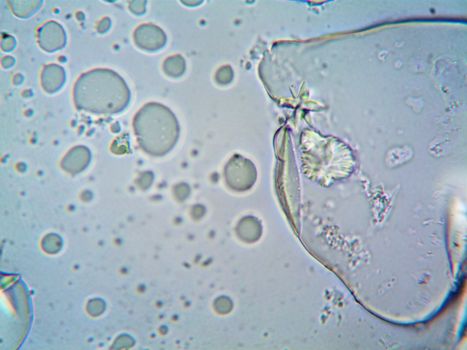 Photo: turek / Pexels
 Photo: Google DeepMind / Pexels
 Photo: Andrzej Gdula / Pexels
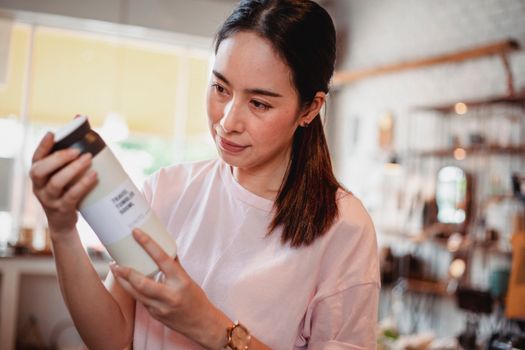 Photo: Sam Lion / Pexels