✓ Dark circles are often a combination of factors, not just lack of sleep.
✓ Genetics play a significant role in predisposition to under-eye discoloration.
✓ Thin skin and visible blood vessels are primary culprits for many individuals.
✓ Effective treatment requires identifying the specific underlying cause(s).
How It Works
1
Identify Your Type of Dark Circle
Dark circles can be vascular, pigmented, structural, or a combination. Understanding your specific type is crucial for effective treatment.
2
Address Lifestyle Factors
Poor sleep, dehydration, and diet can exacerbate dark circles. Making positive lifestyle changes is a fundamental first step towards improvement.
3
Select Targeted Skincare Ingredients
Ingredients like Vitamin C, retinol, hyaluronic acid, and caffeine can target different causes. Choose products specifically formulated for your concerns.
4
Consider Professional Treatments
For persistent or severe dark circles, dermatological procedures such as fillers, lasers, or chemical peels may offer more dramatic and lasting results.
Understanding the Anatomy: Why Your Under-Eye Area is Unique
Photo: Mikhail Nilov / Pexels
The skin around your eyes is remarkably delicate and distinct from the rest of your face, making it particularly susceptible to showing signs of fatigue, aging, and various other factors that contribute to what causes dark circles under eyes. At just 0.5 millimeters thick, it's roughly one-tenth the thickness of skin on other parts of your body. This extreme thinness means that the underlying blood vessels are far more visible, especially when they are engorged or deoxygenated. Imagine a sheer curtain; the thinner the fabric, the more you can see through it. The same principle applies here. This area also lacks the subcutaneous fat layer that provides cushioning and plumpness elsewhere, further accentuating any structural changes or vascular visibility. Additionally, the periorbital area is rich in blood vessels and lymphatic drainage pathways. When these systems are compromised, whether due to fluid retention, inflammation, or poor circulation, the blood can pool, leading to a bluish or purplish tint that we perceive as dark circles. This delicate balance of thin skin, visible vasculature, and a complex lymphatic system makes the under-eye area a prime candidate for developing discoloration. Understanding this foundational anatomy is the first step in comprehending why certain treatments work and others don't, and why addressing the root cause is paramount. It's not merely a cosmetic issue but a visible manifestation of underlying physiological processes. For instance, dehydration can cause blood vessels to become more prominent, while allergic reactions can lead to inflammation and swelling, both contributing to the appearance of dark circles. The collagen and elastin network, responsible for skin elasticity and firmness, is also less robust here, making it more prone to sagging and hollowing, which can create shadows that mimic dark circles. This intricate interplay of factors underscores the complexity of the problem and highlights the need for a multi-faceted approach to treatment. Without a deep dive into the unique characteristics of this area, any attempt to mitigate dark circles would be akin to treating a symptom without understanding the disease. The anatomical predispositions are a key reason why some individuals are more prone to dark circles than others, even with similar lifestyles. Exploring advanced skincare ingredients can help support this delicate skin.
The Primary Culprits: What Causes Dark Circles Under Eyes
Photo: www.kaboompics.com / Pexels
Delving deeper into what causes dark circles under eyes reveals a complex interplay of genetic, environmental, and lifestyle factors. It's rarely a single issue but often a combination that contributes to their appearance. The most common primary culprits can be categorized as follows:
**1. Genetics and Heredity:** If your parents or grandparents have dark circles, there's a high probability you will too. Genetic predisposition often manifests as thinner skin under the eyes, which makes blood vessels more apparent, or a higher concentration of melanin (pigment) in the periorbital area. This type of dark circle, often referred to as 'constitutional pigmentation,' can be challenging to treat but not impossible. It means your skin is naturally prone to producing more pigment in this area or has a structural characteristic that makes underlying vessels more visible.
**2. Vascular Issues:** The thin skin mentioned above allows the underlying network of blood vessels to show through. When these vessels dilate or become engorged (due to fatigue, allergies, or dehydration), they can appear bluish or purplish. Poor circulation can also lead to deoxygenated blood pooling, making the color even darker. This is often why dark circles look worse after a poor night's sleep – blood flow and oxygenation are reduced.
**3. Pigmentation Irregularities (Periorbital Hyperpigmentation):** This refers to an actual increase in melanin production around the eyes. It's more common in individuals with darker skin tones but can affect anyone. Sun exposure is a major aggravator, stimulating melanin production. Post-inflammatory hyperpigmentation from rubbing or irritation can also contribute. This type presents as a brownish discoloration.
**4. Volume Loss and Shadowing:** As we age, we naturally lose fat and collagen in the face, including the under-eye area. This volume loss can create a hollowed-out appearance (tear trough deformity) that casts a shadow, making the area appear darker than it actually is. This is a structural cause, and it’s why dark circles often become more prominent with age.
**5. Lifestyle Factors:** While not always the primary cause, lifestyle choices can significantly exacerbate existing dark circles. Lack of sleep is perhaps the most well-known culprit, leading to dilated blood vessels and a duller complexion. Dehydration causes skin to lose its plumpness, making vessels more prominent. Excessive salt intake can lead to fluid retention and puffiness, which casts shadows. Smoking damages collagen and impairs circulation, while excessive alcohol consumption can dehydrate and dilate blood vessels. Chronic eye rubbing, often due to allergies or irritation, can cause inflammation and hyperpigmentation. Sun exposure, as mentioned, stimulates melanin and breaks down collagen, worsening both pigmented and structural dark circles. Understanding these specific causes is crucial for selecting the most effective treatment strategy, as a solution for vascular dark circles may not be effective for pigmented ones, and vice-versa.
Beyond the Obvious: Less Common but Significant Contributors
Photo: Ron Lach / Pexels
While genetics, lifestyle, and vascular issues are frequently cited, several less common yet significant factors can also contribute to what causes dark circles under eyes. Being aware of these can help in a more comprehensive diagnosis and treatment plan, especially when conventional methods seem ineffective.
**1. Allergies and Allergic Shiners:** Often overlooked, chronic allergies can be a major contributor to dark circles, sometimes referred to as 'allergic shiners.' When you have an allergic reaction, your body releases histamines, which can cause blood vessels to dilate and become more prominent, particularly in the delicate under-eye area. The constant rubbing and itching associated with allergies also lead to inflammation and irritation, potentially causing post-inflammatory hyperpigmentation. The swelling from allergies can also create shadows, exacerbating the appearance of darkness. Managing allergies effectively, often with antihistamines or allergy shots, can significantly reduce the severity of these dark circles.
**2. Iron Deficiency Anemia:** Anemia, particularly iron deficiency anemia, can lead to a pale complexion and a bluish tint under the eyes. When your body lacks sufficient iron, it cannot produce enough hemoglobin, the protein in red blood cells that carries oxygen. This results in less oxygenated blood, which can appear darker through the thin under-eye skin. If you suspect anemia, it's crucial to consult a doctor for diagnosis and treatment, which typically involves iron supplements and dietary changes.
**3. Medical Conditions and Medications:** Certain medical conditions can manifest as dark circles. Thyroid disorders, for example, can sometimes cause puffiness and discoloration around the eyes. Kidney issues can lead to fluid retention and a sallow complexion. Some medications can also have side effects that include changes in skin pigmentation or vascularity. Always discuss new or worsening dark circles with your doctor if you are on medication or have underlying health conditions, as it could be a subtle indicator of a systemic issue.
**4. Eczema and Dermatitis:** Inflammatory skin conditions like eczema or contact dermatitis around the eyes can cause persistent itching, redness, and swelling. The constant irritation and rubbing can lead to thickening of the skin and post-inflammatory hyperpigmentation, resulting in dark, discolored patches. Managing these conditions with appropriate topical treatments and avoiding irritants is essential for improvement.
**5. Sun Exposure Without Protection:** While mentioned briefly, the impact of unprotected sun exposure cannot be overstated. UV radiation stimulates melanin production, leading to hyperpigmentation, and also breaks down collagen and elastin, accelerating skin thinning and volume loss. This double whammy makes dark circles more prominent and harder to treat. Consistent use of broad-spectrum SPF, even on cloudy days, is a non-negotiable step for prevention and management. Understanding these less obvious contributors provides a more holistic view of the problem, allowing for more targeted and effective interventions. Discover effective ways to protect your skin from sun damage.
Targeted Solutions and Prevention Strategies for Dark Circles
Photo: Shobhit Bajpai / Pexels
Armed with a comprehensive understanding of what causes dark circles under eyes, we can now explore targeted solutions and preventative strategies that offer real results. The key is to match the treatment to the specific cause.
**1. Lifestyle Adjustments (Universal Benefit):** Regardless of the primary cause, optimizing your lifestyle is foundational. Aim for 7-9 hours of quality sleep nightly to reduce vascular pooling and improve skin radiance. Stay well-hydrated by drinking plenty of water, which plumps the skin and makes blood vessels less apparent. Reduce sodium intake to minimize fluid retention and puffiness. Limit alcohol and caffeine, as they can dehydrate and dilate blood vessels. Quit smoking, as it severely impairs circulation and collagen production.
**2. Skincare Ingredients for Specific Concerns:**
* **For Pigmented Dark Circles (Brownish):** Look for ingredients that inhibit melanin production and promote cell turnover. Vitamin C (ascorbic acid) is a powerful antioxidant that brightens skin and reduces hyperpigmentation. Niacinamide (Vitamin B3) also helps with discoloration. Alpha Hydroxy Acids (AHAs) like glycolic acid can gently exfoliate, while retinoids (retinol, retinaldehyde) accelerate cell renewal and improve skin texture and tone.
* **For Vascular Dark Circles (Blue/Purple):** Ingredients that strengthen blood vessel walls and improve circulation are key. Vitamin K can help reduce the appearance of broken capillaries. Caffeine is a vasoconstrictor, temporarily reducing puffiness and dilating blood vessels. Peptides can also support skin structure and microcirculation.
* **For Volume Loss/Shadowing:** While topical products can't fully restore lost volume, some can help plump the skin. Hyaluronic acid is a humectant that draws moisture into the skin, temporarily plumping fine lines and improving skin texture.
**3. At-Home Remedies and Practices:**
* **Cold Compresses:** Applying cold tea bags (green or black tea contain caffeine and antioxidants), cucumber slices, or a cold spoon can constrict blood vessels and reduce puffiness.
* **Gentle Massage:** A light lymphatic drainage massage can help reduce fluid retention.
* **Elevate Your Head:** Sleeping with an extra pillow can prevent fluid from pooling under the eyes overnight.
* **Sun Protection:** Daily application of a broad-spectrum SPF 30+ sunscreen, even indoors, is crucial. Wear sunglasses when outdoors to protect the delicate skin from UV damage.
**4. Professional Treatments (For Persistent Issues):**
* **Dermal Fillers:** For volume loss and deep tear troughs, hyaluronic acid fillers (e.g., Juvéderm, Restylane) can effectively restore volume and eliminate shadows.
* **Laser Therapy:** Various lasers (e.g., Q-switched, fractional) can target pigment, improve skin texture, and stimulate collagen production for both pigmented and vascular dark circles.
* **Chemical Peels:** Gentle chemical peels formulated for the eye area can exfoliate and reduce superficial pigmentation.
* **Platelet-Rich Plasma (PRP):** Injections of your own growth factors can stimulate collagen and improve skin quality.
* **Blepharoplasty:** In severe cases where excess skin or fat contributes significantly to shadowing, surgical intervention might be considered.
Consulting with a dermatologist or aesthetician is highly recommended to determine the best course of action based on your specific type of dark circles and individual needs. A personalized approach, combining lifestyle changes, targeted skincare, and potentially professional treatments, offers the most promising path to brighter, more refreshed eyes.
"I always thought my dark circles were just from lack of sleep. This article helped me realize it was probably genetic and also linked to my allergies. Now I'm using a Vitamin C serum and managing my allergies better, and I've seen a noticeable difference!"
Sarah J. · Austin, TX
★★★★★
"As a guy, I never really paid attention, but my wife kept pointing out my 'tired' look. This explained what causes dark circles under eyes so clearly. I started using a retinol eye cream and focusing on hydration, and my eyes look much brighter now."
Michael D. · Chicago, IL
★★★★★
"After years of trying different eye creams with no luck, I was ready to give up. This article's breakdown of pigmented vs. vascular dark circles was a game-changer. I switched to a product with Niacinamide and Vitamin C, and my brown circles have significantly faded. Truly grateful for the detailed advice!"
Jessica L. · Miami, FL
★★★★★
"I learned a lot about what causes dark circles under eyes that I didn't know. While the professional treatments section was a bit daunting, the lifestyle tips and ingredient recommendations were very practical. My dark circles are still there, but definitely less prominent with consistent effort."
David P. · Seattle, WA
★★★★★
"I've had dark circles since I was a teenager, mostly due to thin skin. This article confirmed my suspicions and gave me hope. The explanation about volume loss and shadowing was particularly helpful. I'm now considering dermal fillers as a long-term solution, which I wouldn't have known about otherwise."
Emily R. · Denver, CO
Frequently Asked Questions
What's the most common cause of dark circles under eyes?
The most common causes are a combination of genetics (thin skin revealing blood vessels), lack of sleep, and dehydration. However, periorbital hyperpigmentation (excess melanin) and volume loss creating shadows are also very prevalent, often occurring in conjunction with other factors.
Can dark circles be a sign of a serious health problem?
While often cosmetic, persistent or sudden onset dark circles can sometimes indicate underlying issues like anemia, thyroid problems, or severe allergies. If you have concerns, especially with other symptoms, it's always best to consult a healthcare professional to rule out medical conditions.
How can I tell if my dark circles are vascular or pigmented?
Vascular dark circles usually appear bluish or purplish and tend to be more noticeable when you're tired or dehydrated. Pigmented dark circles, on the other hand, look brownish or yellowish and are often exacerbated by sun exposure. A simple test is to gently stretch the skin; if the color lightens, it's likely vascular. If it remains, it's more likely pigmented.
Are expensive eye creams worth it for dark circles?
The efficacy of eye creams depends on their ingredients and whether they target your specific type of dark circles. While some expensive creams contain potent, well-researched ingredients, many affordable options can be equally effective. Focus on ingredients like Vitamin C, retinol, caffeine, or hyaluronic acid rather than just brand name or price tag.
How do dermal fillers help with dark circles compared to eye creams?
Dermal fillers, typically hyaluronic acid, address structural dark circles caused by volume loss and hollowing (tear troughs). They physically plump the area, reducing shadows. Eye creams, conversely, work on the skin's surface to improve pigmentation, hydration, or microcirculation. They address different aspects, and sometimes a combination approach is most effective.
Who is most susceptible to developing dark circles under eyes?
Individuals with thinner skin, genetic predisposition, those with darker skin tones (due to increased melanin), chronic allergy sufferers, and people experiencing significant volume loss due to aging are generally more susceptible. Lifestyle factors like poor sleep and dehydration also play a significant role for many.
Is it safe to use retinol or strong acids around the eyes for dark circles?
Yes, but with caution. The skin around the eyes is very delicate. Always use products specifically formulated for the eye area, which typically contain lower concentrations of active ingredients like retinol or AHAs. Start slowly, apply a small amount, and monitor for irritation. Consult a dermatologist for guidance on stronger treatments.
Will dark circles ever completely disappear?
For many, especially those with genetic predisposition or significant volume loss, complete disappearance might be challenging without professional intervention. However, consistent and targeted efforts, combining lifestyle changes, appropriate skincare, and potentially professional treatments, can significantly reduce their appearance, making them much less noticeable and giving a more refreshed look.
Understanding what causes dark circles under eyes is the first critical step toward brighter, more vibrant eyes. Take control of your appearance by identifying your specific causes and implementing targeted solutions. Begin your journey to a more refreshed you today!

 Photo: Mikhail Nilov / Pexels
 Photo: www.kaboompics.com / Pexels
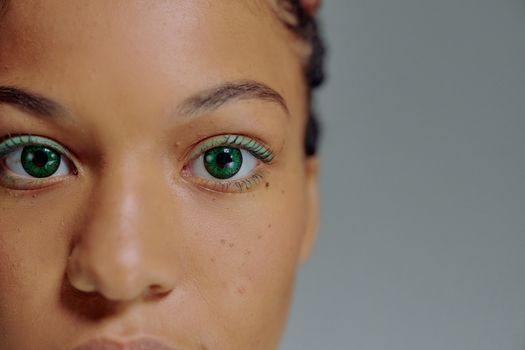 Photo: Ron Lach / Pexels
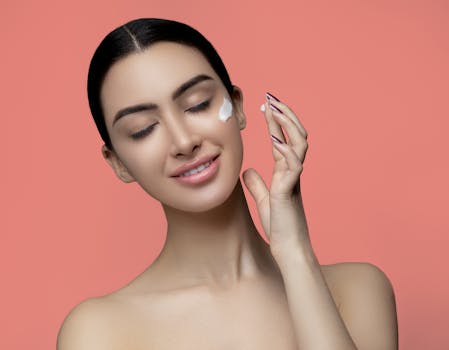 Photo: Shobhit Bajpai / Pexels