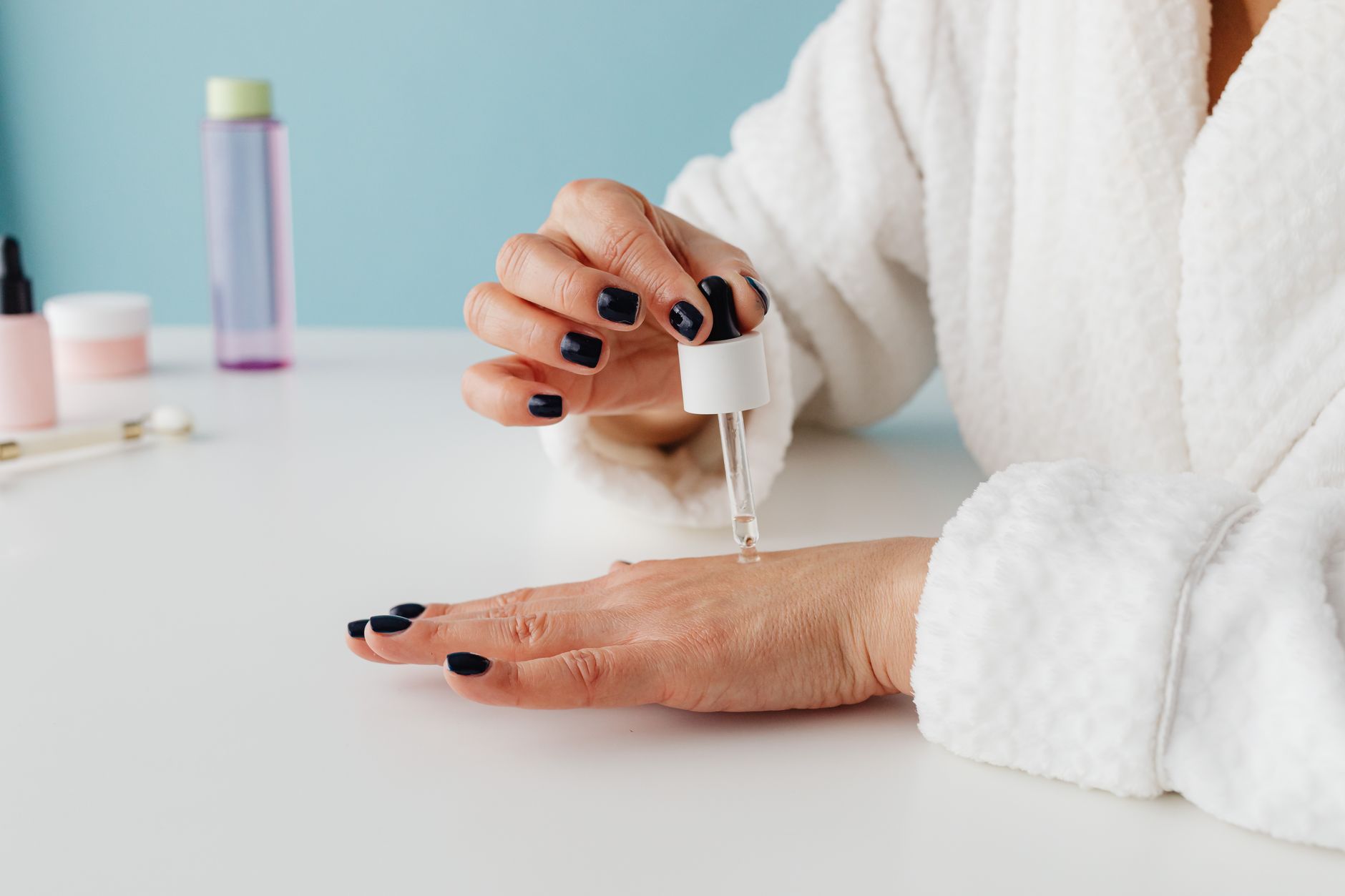
What is Retinol and How to Use It for Radiant Skin?
Discover the ultimate guide to incorporating this skincare powerhouse into your routine for transformative results.
Start Your Retinol JourneyKey Takeaways
- ✓ Retinol is a derivative of Vitamin A, a powerful antioxidant.
- ✓ It promotes cell turnover, stimulating collagen production.
- ✓ Start with a low concentration 1-2 times a week to build tolerance.
- ✓ Always use SPF daily when incorporating retinol into your routine.
How It Works
Retinol signals skin cells to regenerate faster, effectively shedding old, dull cells. This process reveals fresher, smoother skin underneath, improving texture and tone.
It penetrates deep into the skin to stimulate fibroblasts, which produce collagen and elastin. This helps to reduce the appearance of fine lines and wrinkles, restoring skin's elasticity.
By accelerating cell turnover, retinol prevents dead skin cells from accumulating and clogging pores. This makes it highly effective in treating and preventing acne breakouts.
The increased cell renewal helps to shed pigmented cells and inhibits melanin production. This leads to a more even skin tone, reducing dark spots, sun spots, and post-inflammatory hyperpigmentation.
Understanding Retinol: The Gold Standard in Skincare
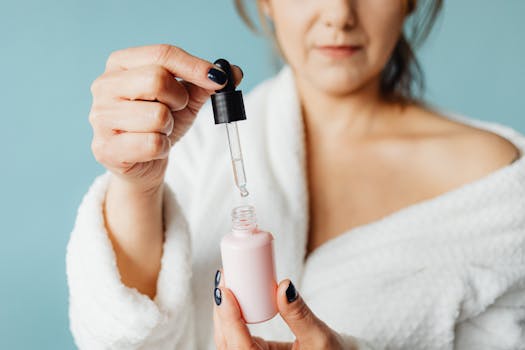 Photo: https://kaboompics.com/ / Pexels
How to Integrate Retinol into Your Skincare Routine Safely
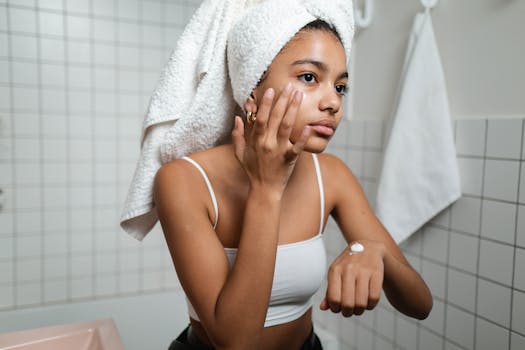 Photo: Ron Lach / Pexels
Navigating Retinol Concentrations and Types for Optimal Results
 Photo: https://kaboompics.com/ / Pexels
Common Retinol Mistakes to Avoid and Expert Tips for Success
 Photo: Anna Keibalo / Pexels
Comparison
| Feature | Retinol (OTC) | Retinaldehyde (OTC) | Tretinoin (Prescription) |
|---|---|---|---|
| Potency | Moderate | High | Very High |
| Conversion Steps to Retinoic Acid | 2 steps | 1 step | 0 steps (pure retinoic acid) |
| Speed of Results | Slow (3-6 months) | Medium (2-4 months) | Fast (6-12 weeks) |
| Irritation Potential | Low to Moderate | Moderate | High |
| Best For | Beginners, mild aging, maintenance | Retinol users seeking more, mild-moderate aging/acne | Severe acne, significant aging/sun damage |
| Availability | ✓ | ✓ | ✗ |
| Cost | Average | Higher Average | Can be high (depends on insurance) |
What Readers Say
"I was so confused about what is retinol and how to use it, but this guide helped me start with confidence. My skin is noticeably smoother and brighter after just three months, with no irritation!"
Sarah J. · Austin, TX"This article clarified all my questions about retinol. Following the advice on starting slow has truly transformed my skin, reducing fine lines around my eyes. Highly recommend reading before you start!"
Mark T. · Chicago, IL"After struggling with adult acne, I learned what is retinol and how to use it from this resource. My breakouts have significantly decreased, and my skin texture is much more even now."
Emily R. · Los Angeles, CA"Good explanation of retinol. I appreciate the emphasis on sunscreen, which I admit I sometimes forget. My skin feels firmer, though I did experience some initial dryness as mentioned."
David L. · Miami, FL"As someone with sensitive skin, I was nervous about retinol. This guide's 'sandwich method' and advice on starting low helped me successfully incorporate it. My complexion has never looked better."
Jessica M. · Seattle, WAFrequently Asked Questions
What is the best age to start using retinol?
There's no definitive 'best' age, but many dermatologists suggest starting in your mid-20s to early 30s as a preventative measure. Retinol can help maintain collagen production and prevent early signs of aging before they become prominent. However, it's also effective for those starting later to address existing concerns.
Will retinol make my skin peel excessively?
Initial peeling, redness, and dryness (known as 'retinization') are common as your skin adjusts to retinol. This usually subsides within a few weeks. If peeling is excessive or painful, reduce the frequency of application or use a lower concentration. Ensuring your skin is well-hydrated and using the 'sandwich method' can also help minimize these effects.
How often should I use retinol?
Start by applying retinol 1-2 times a week in the evening. Gradually increase the frequency as your skin builds tolerance, moving to every other night, and eventually nightly if your skin tolerates it well. Consistency is key, so find a frequency that works for your skin without causing irritation.
Is retinol expensive, and are there affordable options?
Retinol products vary widely in price, from budget-friendly drugstore options to high-end luxury brands. Effectiveness isn't always tied to price; many affordable brands offer excellent retinol formulations. Focus on concentration, formulation stability, and packaging (airtight, opaque) rather than just the cost.
How does retinol compare to Vitamin C?
Both retinol and Vitamin C are powerful antioxidants with anti-aging benefits, but they work differently. Retinol primarily boosts cell turnover and collagen production, while Vitamin C brightens skin, protects against free radical damage, and also aids in collagen synthesis. They can be used together, but typically on alternating nights or Vitamin C in the morning and retinol at night, to avoid potential irritation.
Who should avoid using retinol?
Pregnant or breastfeeding individuals should avoid retinol and other retinoids due to potential risks. Those with extremely sensitive skin, eczema, rosacea, or other inflammatory skin conditions should consult a dermatologist before using retinol, as it can exacerbate these conditions if not introduced carefully.
Can retinol make my skin worse before it gets better?
Yes, it's common to experience a 'purging' phase where your skin may temporarily break out more, or appear redder and flakier. This is a sign that retinol is accelerating cell turnover and bringing underlying impurities to the surface. This phase typically lasts 2-6 weeks, and patience is key for seeing long-term improvements.
What are the future trends in retinol formulations?
Future trends in retinol formulations are focusing on enhanced stability, reduced irritation, and synergistic ingredient combinations. Look for more advanced encapsulation technologies for sustained release, formulations combined with ceramides or peptides to support the skin barrier, and plant-based 'retinol alternatives' like bakuchiol for those seeking gentler options.
Now that you understand what is retinol and how to use it effectively, you're ready to embark on your journey to healthier, more youthful-looking skin. Remember to start slow, be patient, and always protect your skin with SPF daily. Unlock the transformative power of retinol and embrace a radiant complexion.