✓ Retinol is a derivative of Vitamin A, a powerful antioxidant.
✓ It promotes cell turnover, reducing fine lines, wrinkles, and acne.
✓ Start with a low concentration and gradually increase frequency.
✓ Always use sunscreen daily when incorporating retinol into your routine.
How It Works
1
Consult a Dermatologist
Before starting any new powerful skincare ingredient like retinol, it's always best to consult with a dermatologist. They can assess your skin type and concerns, recommending the most suitable type and strength of retinoid for your individual needs and minimizing potential irritation.
2
Cleanse and Dry Skin Thoroughly
Begin your evening routine by cleansing your face with a gentle, hydrating cleanser to remove makeup, dirt, and impurities. Ensure your skin is completely dry before applying retinol, as damp skin can increase absorption and potential irritation.
3
Apply a Pea-Sized Amount
Dispense a pea-sized amount of retinol onto your fingertip. This small quantity is sufficient for your entire face and neck, and using more will not accelerate results but will likely lead to increased irritation and redness.
4
Follow with Moisturizer
After applying retinol and allowing it to absorb for a few minutes, follow with a rich, occlusive moisturizer. This 'sandwich method' helps to buffer the retinol, reducing dryness and irritation, especially for beginners or those with sensitive skin.
Understanding Retinol: The Gold Standard in Skincare
Photo: Polina ⠀ / Pexels
Retinol, a potent derivative of Vitamin A, stands as a cornerstone in the world of dermatology and anti-aging skincare. Its efficacy in combating a wide array of skin concerns, from fine lines and wrinkles to acne and hyperpigmentation, has earned it the reputation as the 'gold standard' ingredient. But what exactly is retinol, and how does it exert its powerful effects on our skin?
At its core, retinol belongs to a family of compounds called retinoids, which are all forms of Vitamin A. When applied topically, retinol is converted by enzymes in the skin into retinoic acid, its active form. This conversion process is what makes retinol a slightly gentler option compared to prescription-strength retinoic acid (like Tretinoin), as it allows the skin to gradually adapt to the ingredient.
The magic of retinoic acid lies in its ability to communicate with skin cells. It binds to specific receptors within the cells, influencing gene expression and promoting a multitude of beneficial changes. One of its primary actions is to accelerate cellular turnover. Our skin naturally sheds dead cells and replaces them with new ones, but this process slows down with age. Retinol kicks this process into high gear, leading to fresher, smoother, and more even-toned skin. This increased cell renewal helps to slough off damaged skin cells, revealing the healthier, younger-looking skin beneath.
Beyond cell turnover, retinol plays a crucial role in stimulating collagen production. Collagen is the most abundant protein in our skin, responsible for its firmness, elasticity, and youthful bounce. As we age, collagen production naturally declines, leading to sagging skin and the formation of wrinkles. Retinol signals the skin to produce more collagen, effectively plumping up the skin and reducing the appearance of existing lines while preventing new ones from forming. This dual action of boosting cell renewal and collagen synthesis makes it an unparalleled ingredient for anti-aging.
Furthermore, retinol is highly effective in treating acne. It helps to unclog pores by reducing the stickiness of cells lining the pore, preventing the formation of blackheads, whiteheads, and pimples. Its anti-inflammatory properties also help to calm existing breakouts. For those struggling with post-inflammatory hyperpigmentation (dark spots left after acne), retinol can also accelerate the fading process by encouraging the shedding of pigmented cells.
When considering incorporating retinol into your beauty routine, it's essential to understand that not all retinoids are created equal. Retinol is over-the-counter, while others like retinaldehyde (retinal) are stronger, closer to prescription strength, and retinoic acid is the most potent, available only by prescription. The concentration of retinol in a product also varies, typically ranging from 0.01% to 1%. Starting with a lower concentration is always recommended to allow your skin to acclimatize. Understanding these nuances is key to a successful retinol journey, ensuring you harness its powerful benefits without overwhelming your skin. This foundational knowledge is crucial for anyone looking to understand what is retinol and how to use it effectively.
Navigating the Retinol Journey: Choosing the Right Product and Starting Safely
Photo: https://kaboompics.com/ / Pexels
Embarking on a retinol journey requires careful consideration and a strategic approach to ensure optimal results without compromising skin health. The market is saturated with various retinol products, making the selection process seem daunting. Understanding how to choose the right product and implement a safe starting routine is paramount to unlocking its full potential.
When selecting a retinol product, the first factor to consider is its concentration. For beginners, a low concentration, typically between 0.01% and 0.03%, is highly recommended. This allows your skin to gradually build tolerance, minimizing the common side effects such as redness, dryness, peeling, and irritation, often referred to as 'retinization'. As your skin adapts, usually after several weeks or months, you can gradually increase the concentration if desired and if your skin tolerates it well. Look for products that clearly state the percentage of retinol on the packaging.
Beyond concentration, consider the formulation. Retinol comes in serums, creams, and oils. Serums are generally lighter and absorb quickly, while creams and oils tend to be more moisturizing and can help buffer the retinol, making them a good choice for those with dry or sensitive skin. Some formulations also include complementary ingredients like hyaluronic acid, ceramides, or niacinamide, which can help mitigate irritation and support the skin barrier.
Once you've chosen your product, the next critical step is to introduce it slowly into your routine. This is where the 'slow and low' approach comes into play. For the first few weeks, apply retinol only 1-2 times a week, preferably in the evening. This gives your skin ample time to adjust without being overwhelmed. After a month or so, if your skin is tolerating it well with minimal irritation, you can increase the frequency to every other night. Eventually, some individuals may be able to use it nightly, but consistency is more important than daily use in the initial stages.
Preparation of your skin before application is also vital. Always apply retinol to clean, thoroughly dry skin. Applying it to damp skin can increase absorption and lead to greater irritation. A common technique, especially for sensitive skin, is the 'sandwich method'. This involves applying a thin layer of moisturizer first, then your retinol, and finishing with another layer of moisturizer. This creates a protective barrier, buffering the retinol's intensity while still allowing it to work effectively.
It's crucial to be mindful of other active ingredients in your routine when introducing retinol. Avoid combining retinol with other potent exfoliants like AHAs (alpha hydroxy acids) and BHAs (beta hydroxy acids), especially when you're first starting. Using them together can lead to over-exfoliation, increased sensitivity, and damage to the skin barrier. If you wish to use both, alternate them on different nights or consult with a dermatologist for guidance. The only non-negotiable companion for retinol is a broad-spectrum sunscreen with an SPF of 30 or higher, applied diligently every morning. Retinol makes your skin more sensitive to sun exposure, making sun protection absolutely essential to prevent damage and maximize the benefits of your retinol treatment. Understanding these steps is key to mastering what is retinol and how to use it safely and effectively for lasting results.
Maximizing Benefits and Managing Side Effects of Retinol Use
Photo: Mikhail Nilov / Pexels
Incorporating retinol into your skincare routine can be transformative, but understanding how to maximize its benefits while effectively managing potential side effects is crucial for a successful journey. The 'retinization' process, characterized by dryness, redness, flaking, and sensitivity, is a common initial response as your skin adapts to this powerful ingredient. However, with the right strategies, these side effects can be minimized, allowing you to enjoy the full spectrum of retinol's advantages.
To maximize retinol's efficacy, consistency is key. While you should start slow, maintaining a regular application schedule, even if it's just a few times a week, will yield far better results than sporadic use. Remember that retinol is a long-term game; visible improvements in texture, tone, and fine lines typically appear after 3-6 months of consistent use, with more significant changes manifesting after 6-12 months. Patience and persistence are your best allies.
Another way to boost retinol's benefits is by pairing it with supportive ingredients. Hyaluronic acid and ceramides are excellent companions as they help to hydrate the skin and reinforce the skin barrier, counteracting the potential drying effects of retinol. Niacinamide (Vitamin B3) is another superstar ingredient that can reduce inflammation, improve skin barrier function, and even help with hyperpigmentation, making it a perfect partner for retinol. Apply these hydrating and soothing ingredients before or after your retinol, or look for products that combine them.
Managing side effects effectively is paramount to staying consistent. If you experience significant irritation, reduce the frequency of application. Instead of every other night, go back to twice a week. You can also re-evaluate your application method; the 'sandwich method' (moisturizer, retinol, moisturizer) is highly effective in buffering the retinol and reducing its immediate impact on the skin. Ensure your cleanser and other skincare products are gentle and non-stripping during the retinization phase. Avoid harsh physical scrubs or other strong chemical exfoliants, as these can exacerbate irritation.
Sun protection cannot be overstated when using retinol. Retinol increases skin sensitivity to UV radiation, making your skin more vulnerable to sun damage. Daily application of a broad-spectrum sunscreen with an SPF of 30 or higher, even on cloudy days, is non-negotiable. This not only protects your skin from harmful UV rays but also safeguards the results you're working towards, preventing the breakdown of collagen and the formation of new dark spots. Neglecting sunscreen will not only negate retinol's benefits but can also lead to further skin damage.
Finally, listen to your skin. Everyone's skin is unique, and what works for one person might not work for another. If you experience persistent or severe irritation, redness, or burning, it's a sign that your skin is overwhelmed. In such cases, take a break from retinol for a few days to allow your skin to recover. When you reintroduce it, use an even lower concentration or reduce the frequency further. If irritation persists, consult a dermatologist, as they can provide personalized advice and perhaps suggest a different retinoid formulation or strength. By carefully managing your retinol application and embracing a holistic approach to skincare with retinol, you can harness its incredible power for healthy, youthful-looking skin.
Common Retinol Mistakes to Avoid and Expert Tips for Success
Photo: Ron Lach / Pexels
While retinol is a powerful ally in your skincare arsenal, making certain mistakes can hinder its effectiveness or lead to unnecessary irritation. Being aware of these common pitfalls and adopting expert tips can significantly enhance your retinol journey, ensuring you reap maximum benefits with minimal discomfort.
**Common Retinol Mistakes to Avoid:**
* **Starting with too high a concentration or too frequently:** This is arguably the most common mistake. Jumping straight to a high-strength retinol or applying it nightly from day one almost guarantees irritation, dryness, and flaking. Always start low and go slow.
* **Not applying to dry skin:** Applying retinol to damp skin can increase its penetration, leading to heightened irritation. Ensure your skin is completely dry after cleansing before applying your retinol product.
* **Skipping sunscreen:** Retinol increases photosensitivity, making your skin more vulnerable to sun damage. Neglecting daily broad-spectrum SPF 30+ sunscreen will not only undo retinol's benefits but also put you at risk for sunburn, hyperpigmentation, and accelerated aging.
* **Over-exfoliating:** Combining retinol with other strong active ingredients like AHA/BHA exfoliants, Vitamin C serums, or harsh physical scrubs, especially when first starting, can compromise your skin barrier and lead to severe irritation. Introduce new actives one at a time and consider alternating nights.
* **Using too much product:** A pea-sized amount is truly sufficient for your entire face and neck. Using more will not speed up results and will only increase the likelihood of irritation.
* **Expecting instant results:** Retinol is a marathon, not a sprint. It takes consistent use over several months to see significant improvements. Impatience can lead to abandoning the product too soon or over-applying.
* **Not moisturizing enough:** Retinol can be drying. Failing to adequately moisturize can exacerbate dryness, flaking, and discomfort. Layering a rich, hydrating moisturizer is crucial.
**Expert Tips for Retinol Success:**
* **The 'Sandwich Method':** For sensitive skin or beginners, apply a thin layer of moisturizer, then your retinol, and finish with another layer of moisturizer. This buffers the retinol, reducing irritation.
* **Prioritize a healthy skin barrier:** Ensure your skin barrier is strong and healthy before introducing retinol. Focus on hydrating ingredients like hyaluronic acid, ceramides, and glycerin.
* **Apply at night:** Retinol can degrade in sunlight, and its primary side effects (photosensitivity) make it best suited for nighttime application.
* **Extend to neck and chest:** Don't forget these areas, as they often show signs of aging. However, they can be more sensitive, so proceed with extra caution.
* **Be patient and consistent:** Real results take time. Stick with your routine for at least 3-6 months to truly assess its efficacy.
* **Listen to your skin:** If you experience excessive redness, burning, or peeling, scale back. Take a break, reduce frequency, or lower the concentration. Your skin will tell you what it can handle.
* **Stay hydrated internally:** Drinking plenty of water supports overall skin health and can help combat the dryness associated with retinol use.
* **Consider 'retinaldehyde' (retinal):** If your skin is sensitive to retinol but you want something stronger, retinaldehyde is a step up from retinol but still gentler than prescription tretinoin, offering a good middle ground.
By avoiding common mistakes and integrating these expert tips, your experience with what is retinol and how to use it will be much smoother and more rewarding, paving the way for healthier, more radiant skin.
Comparison
Feature
Retinol (OTC)
Retinaldehyde (OTC)
Tretinoin (Prescription)
Potency
Moderate
High
Very High
Conversion Steps to Retinoic Acid
2 steps
1 step
0 steps (is Retinoic Acid)
Irritation Potential
Low to Moderate
Moderate to High
High
Speed of Results
Slow (3-6 months)
Moderate (2-4 months)
Fast (1-2 months)
Availability
✓
✓
✗
Cost
Budget to Mid-range
Mid to High-end
Varies by insurance/pharmacy
Best For
Beginners, mild concerns
Experienced users, moderate concerns
Severe acne, advanced aging
What Readers Say
★★★★★
"I was so confused about what is retinol and how to use it, but this guide made it crystal clear. I started with a low concentration and now my skin is smoother and my fine lines are noticeably reduced. It’s truly a game-changer!"
Sarah J. · Austin, TX
★★★★★
"As a guy, I never thought much about skincare, but my dermatologist recommended retinol for my acne scars. Following the 'slow and low' advice here, my skin has improved dramatically, and the texture is so much better."
Mark D. · Chicago, IL
★★★★★
"After 6 months of consistent use, my hyperpigmentation from old breakouts has faded by at least 70%. This article gave me the confidence and knowledge on what is retinol and how to use it properly to achieve these amazing results."
Emily R. · Los Angeles, CA
★★★★★
"I initially experienced some flaking, which was concerning. However, by reducing my frequency and incorporating the sandwich method as suggested, my skin acclimated. It's a journey, but I'm seeing positive changes in my skin's firmness."
David L. · New York, NY
★★★★★
"My sensitive skin used to react to everything, so I was hesitant about retinol. This guide's emphasis on starting with low concentrations and thorough moisturizing allowed me to integrate it successfully. My pores look smaller and my skin feels incredibly soft."
Jessica M. · Miami, FL
Frequently Asked Questions
What is the best age to start using retinol?
There isn't a definitive 'best' age, but many dermatologists suggest starting in your mid-20s to early 30s as a preventative measure against aging. If you have acne concerns, you might start earlier under professional guidance. The key is to start when you feel ready and your skin can benefit.
Can I use retinol if I have sensitive skin?
Yes, but with extreme caution. Start with the lowest possible concentration (0.01-0.03%) and use it only once or twice a week. Employ the 'sandwich method' with moisturizer and always prioritize gentle, hydrating products in your routine. Consult a dermatologist if you're unsure.
How long does it take to see results from retinol?
Patience is key with retinol. While some might notice subtle improvements in texture within a few weeks, significant results for fine lines, wrinkles, and hyperpigmentation typically appear after 3-6 months of consistent use. Full benefits can take up to a year.
Is prescription tretinoin better than over-the-counter retinol?
Tretinoin (retinoic acid) is the most potent form of retinoid, meaning it often yields faster and more dramatic results compared to over-the-counter retinol. However, it also comes with a higher risk of irritation and requires a prescription. Retinol is a gentler, more accessible option for many, especially beginners.
Can I use Vitamin C and retinol together?
It's generally recommended to use Vitamin C in the morning and retinol at night. Both are powerful antioxidants, but using them simultaneously can increase irritation for some. If you wish to use both, apply Vitamin C in your morning routine and retinol in your evening routine to maximize benefits and minimize sensitivity.
Who should NOT use retinol?
Pregnant or breastfeeding individuals should avoid retinol due to potential risks. Those with extremely compromised skin barriers, active eczema, rosacea flare-ups, or severe sunburn should also postpone retinol use until their skin has healed and their conditions are managed. Always consult a doctor.
What are common initial side effects of retinol?
Common initial side effects, often called 'retinization', include dryness, redness, flaking, peeling, and mild irritation. These usually subside as your skin adapts, typically within 2-4 weeks. If side effects are severe or persistent, reduce frequency or concentration.
What are the future trends in retinoid skincare?
Future trends include more advanced encapsulation technologies for sustained release and reduced irritation, gentler retinoid derivatives like HPR (Hydroxypinacolone Retinoate), and formulations combining retinoids with barrier-supporting ingredients (like ceramides and peptides) to enhance efficacy while minimizing side effects. There's also a growing focus on plant-based alternatives like Bakuchiol for those seeking natural options.
Now that you understand what is retinol and how to use it, you're empowered to embark on your journey to healthier, more radiant skin. Remember to start slow, be consistent, and always protect your skin from the sun. Your transformative skincare results await!
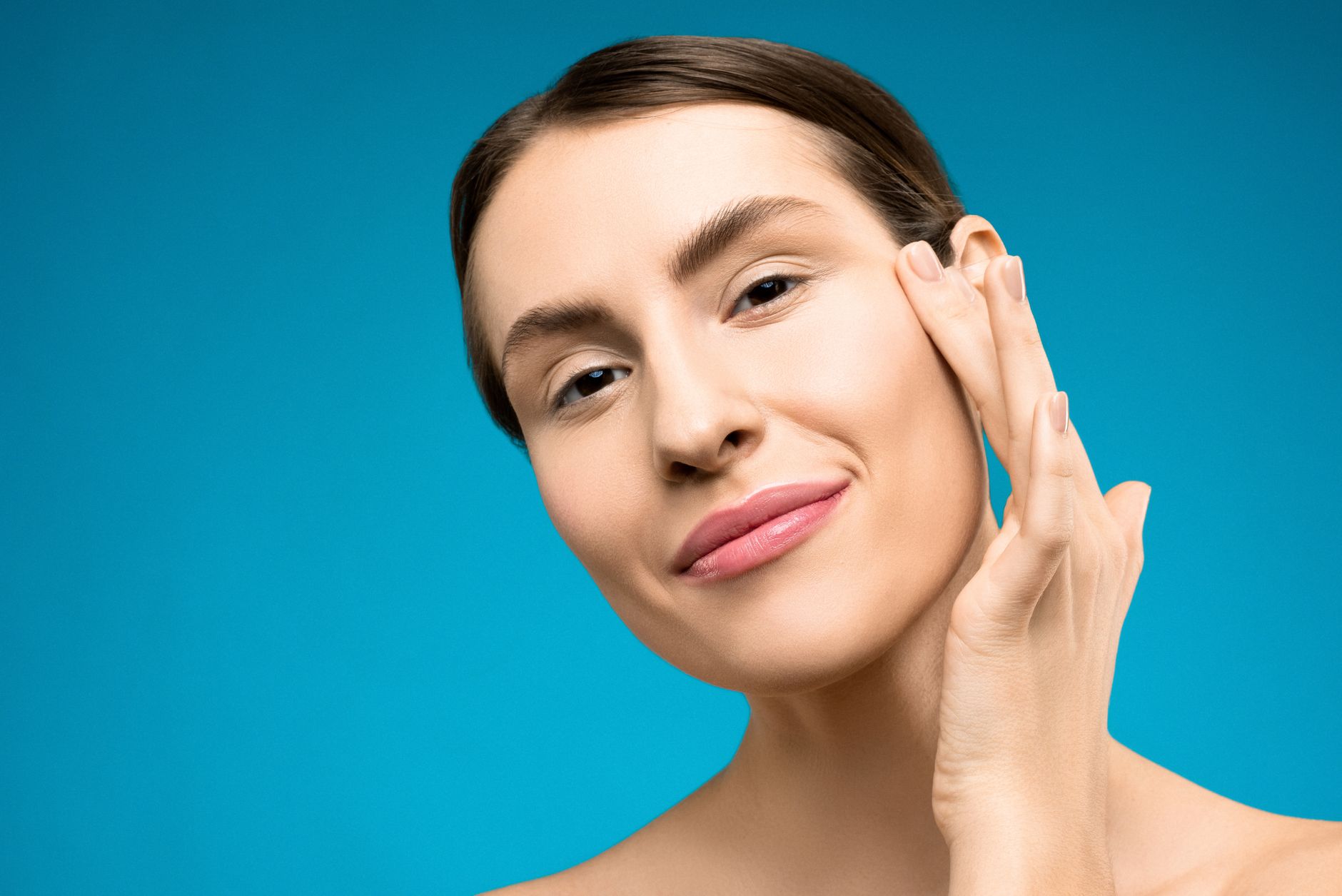
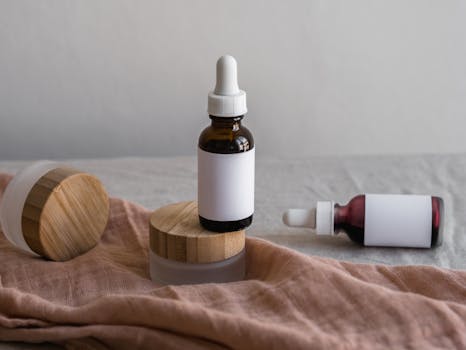 Photo: Polina ⠀ / Pexels
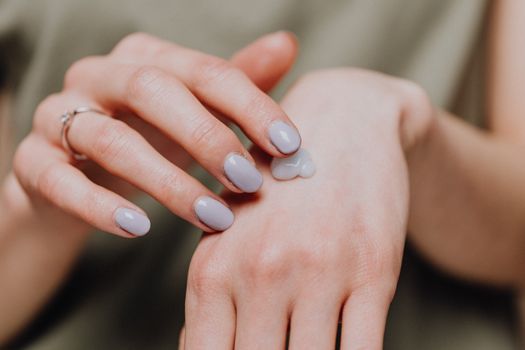 Photo: https://kaboompics.com/ / Pexels
 Photo: Mikhail Nilov / Pexels
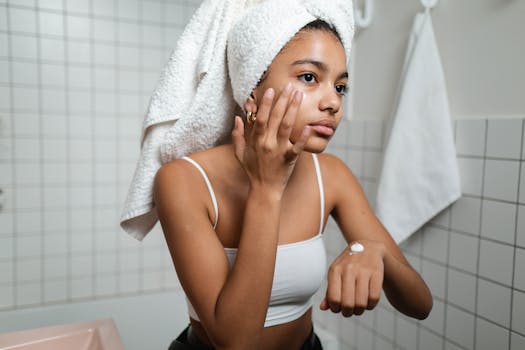 Photo: Ron Lach / Pexels