✓ Toner primarily balances pH and removes residual impurities.
✓ Essence delivers concentrated active ingredients for targeted skin concerns.
✓ Toners are typically applied immediately after cleansing.
✓ Essences follow toner, preparing skin for serums and moisturizers.
How It Works
1
Cleanse Thoroughly
Start with a clean canvas. Use a gentle cleanser to remove makeup, dirt, and oil, preparing your skin for subsequent steps.
2
Apply Toner
After cleansing, apply toner to rebalance skin's pH, remove any lingering impurities, and prime the skin for better absorption.
3
Introduce Essence
Following toner, pat essence onto your face. Its concentrated formula penetrates deeply to address specific concerns and boost hydration.
4
Layer Serums & Moisturize
With skin prepped by toner and essence, layer your serums and finish with a moisturizer to lock in all the beneficial ingredients.
Understanding the Foundational Role of Toner in Skincare
Photo: Sarah Chai / Pexels
For many, the skincare journey begins and ends with cleansing and moisturizing. However, diving deeper into the nuances of a comprehensive routine reveals the unsung hero: toner. But what exactly is a toner, and why has its role evolved so significantly over the years? Historically, toners were often harsh, alcohol-based concoctions designed to strip away oils and tighten pores, leaving skin feeling taut and dry. This outdated perception still lingers for some, leading to misconceptions about their true value. Today's toners, however, are a far cry from their astringent ancestors. Modern formulations are gentle, hydrating, and packed with beneficial ingredients designed to restore balance and prepare the skin for subsequent treatments. This transformation is crucial to understanding what is the difference between toner and essence.
The primary function of a contemporary toner is multi-faceted. Firstly, it acts as a final cleansing step, sweeping away any residual dirt, makeup, or cleanser that your primary wash might have missed. This ensures your skin is impeccably clean, creating a clear pathway for the next steps in your routine. Secondly, and perhaps most importantly, toner helps to rebalance your skin's pH level. Our skin has a natural slightly acidic pH, typically around 5.5. Cleansing, especially with certain types of cleansers, can temporarily disrupt this delicate balance, making the skin either too alkaline or too acidic. A well-formulated toner brings the skin back to its optimal pH, which is vital for maintaining a healthy skin barrier function. A balanced pH ensures the skin's protective barrier remains intact, warding off environmental aggressors and preventing moisture loss. Without this crucial rebalancing step, your skin can become more vulnerable to irritation, dryness, and even breakouts.
Beyond pH rebalancing, modern toners also come infused with a variety of skin-loving ingredients tailored to specific concerns. Hydrating toners, often containing humectants like hyaluronic acid or glycerin, replenish moisture immediately after cleansing, preventing that tight, uncomfortable feeling. Exfoliating toners, featuring AHAs or BHAs, gently slough off dead skin cells, promoting cell turnover and revealing a brighter, smoother complexion. Calming toners incorporate ingredients such as chamomile or centella asiatica to soothe redness and irritation. Antioxidant-rich toners protect the skin from free radical damage. The application method is typically simple: after cleansing, dispense a small amount onto a cotton pad and gently swipe across the face, or pour a few drops into your palms and pat directly onto the skin. This step is not just about cleansing; it's about preparing your skin to absorb the more active ingredients that follow, making every subsequent product more effective. Neglecting toner can mean your serums and moisturizers aren't working to their full potential, which undermines your entire skincare investment. Understanding toner's foundational role sets the stage for appreciating the distinct, yet complementary, function of essences.
Essence: The Heart of Hydration and Targeted Treatment
Photo: Shiny Diamond / Pexels
If toner is the preparatory step, essence is where the real work begins for targeted treatment and deep hydration. The concept of essence originates from Korean beauty (K-beauty) routines, where it holds a revered place as a cornerstone for achieving that coveted 'glass skin' effect. Unlike toners, which are typically thinner and designed for rebalancing, essences are often more viscous, though still lightweight, and are packed with highly concentrated active ingredients. This higher concentration is a key differentiator when asking what is the difference between toner and essence.
The primary purpose of an essence is to deliver a potent dose of active ingredients directly to the skin, addressing specific concerns such as dehydration, dullness, fine lines, or uneven skin tone. Think of it as a pre-serum treatment, designed to penetrate deeply and kickstart the skin's cellular processes. Essences are formulated with ingredients like fermented extracts, peptides, antioxidants, vitamins, and various botanical extracts, all chosen for their ability to rejuvenate, brighten, and strengthen the skin from within. Fermented ingredients, in particular, are a hallmark of many K-beauty essences, as fermentation breaks down molecules into smaller, more easily absorbed forms, enhancing their efficacy.
One of the most significant benefits of incorporating an essence into your routine is its unparalleled ability to boost hydration. While toners can offer initial hydration, essences dive deeper, saturating the skin with moisture and creating a plump, supple canvas. This deep hydration is crucial because well-hydrated skin is more resilient, functions better, and is more receptive to subsequent products. When your skin is adequately hydrated, it allows serums and moisturizers to penetrate more effectively, maximizing their benefits. This 'layering' approach, where each product builds upon the last, is central to the effectiveness of essences. They don't just sit on the surface; they work to improve skin health at a cellular level, promoting regeneration and repair.
Applying essence is also a tactile, mindful experience. After cleansing and toning, dispense a few drops of essence into the palms of your hands. Gently pat and press the essence into your face and neck, using the warmth of your hands to aid absorption. Avoid rubbing, as this can tug at the skin and reduce efficacy. The patting motion encourages better penetration and stimulates circulation, enhancing the overall glow. The result is skin that feels not only hydrated but also more elastic, radiant, and prepared to absorb the heavier, more occlusive products that follow. For those seeking to elevate their skincare game beyond basic steps, essence is the transformative product that truly bridges the gap between preparation and targeted treatment, setting it distinctly apart from the functional role of a toner.
The Skincare Routine: When and How to Use Each Product
Photo: Elena Druzhinina / Pexels
Navigating the correct order of skincare products can feel like deciphering a complex code, but understanding the logic behind it simplifies everything, especially when it comes to knowing what is the difference between toner and essence and how they fit in. The general rule of thumb in skincare is to apply products from thinnest to thickest consistency, allowing each layer to absorb properly before the next. This ensures maximum efficacy and prevents products from pilling or simply sitting on the skin's surface without delivering their benefits.
Your skincare routine should always begin with a thorough cleanse. This removes makeup, dirt, and impurities, providing a clean slate. After cleansing, the very next step is toner. As discussed, toner's primary role is to rebalance the skin's pH and ensure any lingering impurities are removed. You can apply toner with a cotton pad for an extra cleansing sweep, or, for a more eco-friendly and gentle approach, simply pour a few drops into your palms and pat it onto your face. Allow the toner a moment to absorb; your skin should feel refreshed but not tight or dry. This brief pause is crucial, as it allows the skin to fully benefit from the toner's rebalancing properties before the next product is introduced.
Following toner, the spotlight shifts to essence. Essences are designed to be applied after toner but before serums. Their lightweight, often watery consistency allows them to penetrate deeply, delivering a concentrated dose of active ingredients. Dispense a small amount of essence into your clean hands – typically a few drops are sufficient – and gently press it into your face and neck. The patting motion is key here, encouraging absorption and avoiding unnecessary friction. The skin should feel slightly damp and plump after essence application, indicating that it's well-hydrated and ready for the next step. This sequence ensures that the essence can effectively prepare the skin, making it more receptive to the more potent serums that follow. Think of essence as a booster shot for your skin, enhancing its ability to absorb and utilize subsequent treatments.
After essence, you would typically move on to serums, which are highly concentrated treatments designed to target specific concerns like hyperpigmentation, wrinkles, or acne. Serums are usually thicker than essences but thinner than moisturizers. Finally, you seal everything in with a moisturizer, which creates an occlusive barrier to prevent moisture loss and lock in all the beneficial ingredients you've just applied. Sunscreen is always the last step in your morning routine. By adhering to this layered approach, where toner prepares the skin, essence treats and hydrates, and subsequent products build upon this foundation, you optimize your entire skincare routine for maximum results. Each product has a distinct role, and understanding their individual contributions is key to achieving a healthy, radiant complexion.
Choosing the Right Product: Toner vs. Essence for Your Skin Concerns
Photo: Andrea Piacquadio / Pexels
Deciding whether to incorporate a toner, an essence, or both into your routine hinges entirely on your individual skin type, concerns, and desired outcomes. While understanding what is the difference between toner and essence is crucial, knowing which one aligns best with your skin's needs is even more important. It's not necessarily about choosing one over the other; often, they work synergistically to create a more effective routine.
**When to Prioritize Toner:**
* **Oily/Acne-Prone Skin:** If you struggle with excessive oil, clogged pores, or breakouts, a toner can be highly beneficial. Look for toners containing salicylic acid (BHA) to gently exfoliate inside pores, or witch hazel (alcohol-free versions) to control oil. Hydrating toners can also be excellent for acne-prone skin, as dehydration can sometimes trigger more oil production. The key is to avoid harsh, alcohol-laden astringents that strip the skin, as this can exacerbate oiliness.
* **Dull/Uneven Skin Tone:** Exfoliating toners with AHAs (glycolic, lactic acid) can help remove dead skin cells, revealing a brighter complexion and improving skin texture. These are great for surface exfoliation.
* **Sensitive Skin:** Opt for calming, alcohol-free toners rich in soothing ingredients like chamomile, aloe vera, or centella asiatica. These will help reduce redness and irritation while rebalancing the skin after cleansing.
* **Basic Hydration & pH Balancing:** Even if you don't have major concerns, a simple hydrating toner is an excellent foundational step to ensure your skin's pH is optimal and to provide a first layer of moisture.
**When to Incorporate Essence:**
* **Dehydrated Skin:** Essences are hydration powerhouses. If your skin feels tight, looks crepey, or lacks plumpness, an essence with hyaluronic acid, glycerin, or fermented ingredients will provide deep, lasting moisture.
* **Anti-Aging Concerns:** Many essences are formulated with peptides, antioxidants, and growth factors to address fine lines, wrinkles, and loss of elasticity. They help to promote cellular regeneration and protect against environmental damage.
* **Brightening & Radiance:** For a dull complexion or uneven skin tone (not necessarily hyperpigmentation, but overall lack of glow), essences with niacinamide, vitamin C derivatives, or licorice root extract can significantly improve radiance.
* **Boosting Overall Skin Health:** If you're looking to elevate your routine and provide your skin with a concentrated dose of nutrients to improve its overall resilience and vitality, an essence is a fantastic addition.
**Can You Use Both?**
Absolutely! For many, the most effective routine incorporates both. A toner cleanses and rebalances, creating a perfect canvas. Then, an essence delivers targeted treatments and deep hydration, preparing the skin for maximum absorption of subsequent serums and moisturizers. This layered approach allows you to address multiple concerns simultaneously and amplify the benefits of each product. For example, a person with oily, dehydrated skin might use a salicylic acid toner followed by a hydrating essence. Someone with mature, dull skin might opt for a gentle hydrating toner followed by an anti-aging, brightening essence. The synergy between these two distinct products can truly transform your complexion, making your skincare routine more potent and effective.
Comparison
Feature
Toner
Essence
Serum
Primary Purpose
pH balance, final cleanse
Deep hydration, targeted treatment
Highly concentrated treatment
Consistency
Watery, thin
Slightly viscous, watery gel
Gel-like, slightly thicker
Key Ingredients
Hydrators, exfoliants, botanicals
Fermented extracts, peptides, antioxidants
Potent actives (Retinol, Vit C, HA)
Application Order
After cleanser
After toner
After essence
Penetration
Surface level
Deeper, cellular level
Deepest, targeted delivery
Benefit Focus
Prep, refine, rebalance
Hydrate, nourish, boost efficacy
Specific concern resolution
Origin
Western skincare
K-Beauty innovation
Western skincare
What Readers Say
★★★★★
"I always wondered what is the difference between toner and essence. This article clarified everything! My skin used to feel tight after cleansing, but adding a hydrating toner and then an essence has made a massive difference in my hydration levels. My skin has never looked better."
Sarah J. · Austin, TX
★★★★★
"As a guy, skincare felt complicated. This breakdown of what is the difference between toner and essence made it simple. I now use a calming toner for my sensitive skin and a brightening essence, and I've seen a noticeable reduction in redness and a much healthier glow."
Michael P. · Chicago, IL
★★★★★
"My esthetician recommended adding an essence, but I wasn't sure why. This article explained what is the difference between toner and essence so well. Since incorporating an anti-aging essence after my exfoliating toner, my fine lines appear softer and my skin feels incredibly plump."
Jessica L. · Los Angeles, CA
★★★★★
"I've been using a toner for years, but never an essence. After reading this, I tried a fermented essence. While I don't see dramatic changes yet, my skin feels much more hydrated throughout the day, which is a great start. It's definitely a worthwhile addition."
David W. · Miami, FL
★★★★★
"I have combination skin and always struggled with dry patches and an oily T-zone. Understanding what is the difference between toner and essence helped me choose an oil-balancing toner and a hydrating essence. My skin is finally balanced and radiant!"
Emily R. · Seattle, WA
Frequently Asked Questions
What is the primary difference between toner and essence?
The primary difference lies in their function and concentration. Toner primarily rebalances skin pH and removes residual impurities after cleansing, acting as a preparatory step. Essence, on the other hand, is a more concentrated treatment designed to deliver active ingredients deep into the skin for targeted concerns and intense hydration, acting as a pre-serum booster.
Can I use both toner and essence in my skincare routine?
Yes, absolutely! In fact, using both is highly recommended for many skin types. Toner prepares your skin by balancing its pH and ensuring it's clean, while essence then provides a concentrated dose of beneficial ingredients and deep hydration, optimizing your skin's receptiveness for subsequent serums and moisturizers.
In what order should I apply toner, essence, and serum?
The correct order is typically: cleanse, then toner, then essence, followed by serum. This follows the general rule of applying products from thinnest to thickest consistency, allowing each lightweight product to penetrate before layering on heavier treatments.
Are essences expensive, and are they worth the investment?
Essences can range in price, often being more expensive than toners due to their higher concentration of active ingredients and advanced formulations. For many, they are considered a worthwhile investment, especially if you have specific skin concerns like dehydration, dullness, or anti-aging, as they significantly boost the efficacy of your overall routine.
Is an essence just a fancy toner, or is there a real distinction?
There is a very real and important distinction. While both are liquid skincare steps, toners are more about rebalancing and prepping the skin's surface, often with a focus on pH and cleansing. Essences are about deep penetration of active ingredients to nourish, hydrate, and address specific skin concerns at a cellular level, making them more akin to a diluted serum than a toner.
Who should use what is the difference between toner and essence?
Anyone looking to elevate their skincare routine beyond basic cleansing and moisturizing can benefit from understanding what is the difference between toner and essence. Individuals with dehydrated skin, dullness, early signs of aging, or those wanting to maximize the absorption of their serums will find essences particularly beneficial. Toners are suitable for all skin types for pH balancing and final cleansing.
Can using too many liquid steps like toner and essence irritate my skin?
When chosen correctly, using both toner and essence should not irritate your skin. The key is to select gentle, alcohol-free formulations that suit your skin type. Over-exfoliating toners or essences with very high concentrations of strong actives might cause irritation if used incorrectly or too frequently, so always patch test new products.
What are the emerging trends in toner and essence formulations?
Current trends for toners include multi-tasking formulas that hydrate, exfoliate, and soothe simultaneously, often with prebiotics for microbiome support. Essences are seeing innovation in highly personalized formulations, advanced fermentation technologies, and sustainable, clean beauty ingredients. Both categories are moving towards more gentle, skin-barrier-supporting ingredients.
Now that you understand what is the difference between toner and essence, you're empowered to build a smarter, more effective skincare routine. Explore our curated selections to find the perfect toner and essence to transform your complexion and unlock your best skin yet.

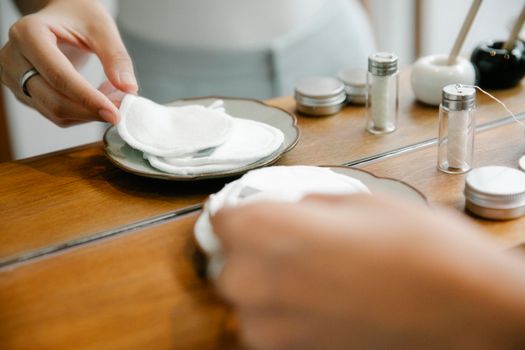 Photo: Sarah Chai / Pexels
 Photo: Shiny Diamond / Pexels
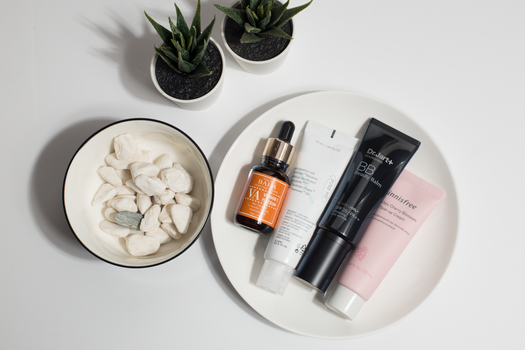 Photo: Elena Druzhinina / Pexels
 Photo: Andrea Piacquadio / Pexels