✓ Hot showers can exacerbate skin dryness by damaging the skin barrier.
✓ Your skincare routine needs seasonal adjustments for optimal hydration.
How It Works
1
Identify Environmental Stressors
Understand how low humidity, cold winds, and indoor heating contribute to moisture loss. Recognizing these factors is the first step to mitigation.
2
Evaluate Your Current Skincare
Assess if your cleansers, moisturizers, and treatments are suitable for winter conditions. Many common products can be too harsh or not hydrating enough.
3
Implement Barrier-Boosting Practices
Introduce ingredients and techniques that strengthen your skin's natural protective barrier. This is crucial for retaining moisture and preventing irritation.
4
Maintain Consistent Hydration
Establish a consistent routine that includes layering hydrating products and making lifestyle adjustments. Continuous effort yields the best long-term results for supple skin.
The Science Behind Winter Skin Dryness: Environmental Factors
Photo: Mareefe / Pexels
As the leaves fall and temperatures drop, many of us notice an unwelcome change in our skin: it becomes dry, flaky, tight, and sometimes even itchy. This isn't just a coincidence; there's a compelling scientific explanation for why is my skin so dry in winter. The primary culprit is the dramatic shift in environmental conditions. First, consider the outdoor air. Winter air naturally holds less moisture than warmer air. When cold, dry air sweeps across your skin, it acts like a sponge, drawing out the precious water content from your epidermal layers. This process, known as transepidermal water loss (TEWL), accelerates in low-humidity environments, leaving your skin parched and vulnerable.
Adding to this outdoor assault is the pervasive presence of indoor heating. Whether it's forced-air furnaces, radiators, or electric heaters, these systems, while keeping us warm, drastically deplete the humidity levels within our homes and workplaces. The average indoor humidity in winter can drop to as low as 10-20%, significantly lower than the ideal 40-60% for skin health. This creates an even drier microclimate that continuously saps moisture from your skin, making it feel tight and uncomfortable. The constant fluctuation between biting cold outside and arid warmth inside puts immense stress on your skin's natural barrier. This barrier, composed of lipids and skin cells, is your first line of defense against moisture loss and environmental aggressors. When it's compromised by these harsh conditions, it becomes less effective at holding onto water, leading to increased dryness, sensitivity, and a dull complexion.
Furthermore, the winter winds, often harsher and more relentless, contribute to this cycle of dehydration. They physically strip away the protective layer of oils and moisture from the skin's surface, leaving it exposed and prone to irritation. It's a cumulative effect: low outdoor humidity, powerful indoor heating, and blustery winds all conspire to create an environment where your skin struggles to maintain its natural hydration balance. Understanding these external factors is the first critical step in developing an effective strategy to combat winter dryness and restore your skin's health and comfort. Without addressing these environmental challenges, even the best skincare products will struggle to provide lasting relief. Learn more about skin barrier repair to truly understand how to fortify your skin against these seasonal stresses.
Unpacking Lifestyle and Skincare Habits That Worsen Dryness
Photo: Ron Lach / Pexels
Beyond the environmental onslaught, several lifestyle choices and skincare habits can inadvertently exacerbate the question of why is my skin so dry in winter. It's not just about what the weather does to your skin, but also how you react to it. One of the most common culprits is taking overly hot showers or baths. While a steamy shower feels incredibly comforting on a cold day, very hot water strips your skin of its natural oils (sebum) much more aggressively than lukewarm water. These oils are crucial for maintaining the integrity of your skin's protective barrier and preventing moisture loss. Prolonged exposure to hot water can leave your skin feeling tight, itchy, and even red immediately after bathing, setting the stage for increased dryness throughout the day.
Another significant factor lies within your skincare routine. Many people continue to use the same products year-round, which might not be suitable for winter's demands. Harsh cleansers, especially those containing sulfates or strong foaming agents, can strip the skin of its natural moisture barrier, leaving it vulnerable. Similarly, relying on lightweight lotions that are perfect for summer might not provide adequate hydration and occlusion (the ability to form a protective layer) when humidity levels plummet. Products with high concentrations of alcohol or certain exfoliants, while beneficial in moderation, can also contribute to dryness if overused or if your skin barrier is already compromised.
Diet and hydration also play a role. While topical care is paramount, internal hydration is equally important. Not drinking enough water can impact your skin's overall moisture content. Furthermore, a diet lacking in essential fatty acids (like Omega-3s) can weaken the skin barrier from within, making it less resilient to external stressors. These fatty acids are vital components of your skin's lipid matrix. Lastly, friction from clothing, especially wool or synthetic fabrics rubbing against already dry skin, can cause irritation and further compromise the skin barrier. Understanding these habits allows for targeted adjustments, transforming your winter skincare from a struggle to a successful defense against dryness. It's a holistic approach that considers both external applications and internal well-being.
Building a Robust Winter Skincare Routine for Lasting Hydration
Photo: Đậu Photograph / Pexels
Once you understand why is my skin so dry in winter, the next crucial step is to build a skincare routine specifically designed to combat these challenges. This isn't just about adding more moisturizer; it's about strategic product selection and application to protect and repair your skin barrier. Start with your cleanser. Ditch harsh, foaming cleansers that leave your skin feeling 'squeaky clean' – a sign that natural oils have been stripped. Instead, opt for a creamy, hydrating, or oil-based cleanser that effectively removes impurities without compromising your skin's barrier. Look for ingredients like ceramides, hyaluronic acid, and glycerin in your cleanser, which help to retain moisture even during the cleansing process.
After cleansing, while your skin is still slightly damp, apply a hydrating toner or essence. These products deliver an initial layer of hydration and help subsequent products penetrate better. Ingredients like hyaluronic acid, glycerin, and urea are excellent humectants that draw moisture into the skin. Next, introduce a targeted serum. In winter, serums rich in antioxidants, ceramides, and peptides are invaluable. Ceramides are lipids that are naturally found in your skin barrier and are crucial for its integrity. Peptides can support collagen production, and antioxidants protect against environmental damage. Layering these active ingredients addresses specific concerns while boosting overall skin health.
The cornerstone of your winter routine is a rich, occlusive moisturizer. Unlike lightweight lotions, a winter moisturizer should be thicker, often a cream or balm, designed to create a protective seal over your skin, preventing TEWL. Look for ingredients such as shea butter, petrolatum, lanolin, squalane, and dimethicone. These ingredients not only hydrate but also lock in existing moisture. Apply your moisturizer generously and frequently, especially after washing your hands or showering. Don't forget to extend your moisturizing efforts to your body, using a thick body cream or oil immediately after showering to trap moisture. Discover the best hydrating serums to supercharge your winter routine. Finally, even in winter, daily SPF is non-negotiable. While UV rays might feel less intense, they are still present and can contribute to barrier damage. Choose a broad-spectrum sunscreen, ideally one that also offers moisturizing benefits, to protect your skin from both sun damage and environmental stressors.
Essential Tips and Common Mistakes to Avoid for Winter Skin
Photo: Ketut Subiyanto / Pexels
Navigating winter with dry skin requires more than just a good routine; it also demands smart habits and an awareness of common pitfalls. Here are essential tips to embrace and mistakes to avoid to keep your skin hydrated and healthy:
**Essential Tips for Hydrated Winter Skin:**
* **Invest in a Humidifier:** Place a humidifier in your bedroom or main living areas to add moisture back into the dry indoor air. Aim for 40-60% humidity. This simple device can make a dramatic difference in preventing skin dehydration overnight.
* **Lukewarm Showers, Not Hot:** Reduce your shower temperature and duration. Opt for lukewarm water and keep showers to 5-10 minutes. Pat your skin dry gently afterward, rather than rubbing vigorously.
* **Moisturize Immediately:** Apply your moisturizer within three minutes of stepping out of the shower or washing your face. This locks in the water that's still on your skin's surface, maximizing hydration.
* **Layer Your Products:** Think of your skincare like clothing for your skin. Start with lighter, humectant-rich products (toners, serums) and finish with thicker, occlusive moisturizers or balms to seal everything in.
* **Hydrate Internally:** Drink plenty of water throughout the day. While its direct impact on skin hydration is debated, overall body hydration is crucial for healthy skin function.
* **Protect Exposed Skin:** Wear gloves, scarves, and hats when venturing outdoors to shield your skin from harsh winds and cold temperatures.
* **Gentle Exfoliation:** While exfoliation is important, over-exfoliating in winter can strip your skin further. Opt for gentle chemical exfoliants (like lactic acid) once or twice a week, or skip it if your skin is very irritated.
**Common Mistakes to Avoid:**
* **Using Alcohol-Based Products:** Astringents and toners with high alcohol content can be incredibly drying. Check ingredient lists and choose alcohol-free alternatives.
* **Forgetting Lip and Hand Care:** Your lips and hands are often the first to show signs of dryness. Keep a rich lip balm and hand cream handy and apply them frequently.
* **Over-Cleansing:** Washing your face too often, especially with harsh cleansers, can strip essential oils. Stick to cleansing twice a day, or even once in the morning if your skin is extremely dry.
* **Ignoring Itchiness:** Persistent itching is a sign of severe dryness and possibly a compromised skin barrier. Address it promptly with soothing, emollient products to prevent further irritation or potential infection.
* **Skipping Sunscreen:** UV rays are present year-round and can still damage your skin barrier, making it more susceptible to dryness. Use a broad-spectrum SPF 30+ daily.
By incorporating these tips and avoiding these common mistakes, you can significantly improve your skin's resilience and comfort throughout the winter months, transforming your experience from 'why is my skin so dry in winter?' to 'my skin feels amazing all winter long!'.
Comparison
Feature
Best Option (Winter)
Alternative 1 (Summer)
Alternative 2 (Sensitive Skin)
Cleanser Type
Cream/Oil Cleanser
Foaming Gel Cleanser
Micellar Water
Moisturizer Texture
Thick Cream/Balm
Lightweight Lotion
Hypoallergenic Cream
Key Ingredients
Ceramides, Shea Butter, Petrolatum
Hyaluronic Acid, Niacinamide
Oat Extract, Squalane
Exfoliation Frequency
1-2x/week (gentle)
2-3x/week (moderate)
As tolerated (mild)
Humidifier Recommended
✓
✗
✓
Hot Showers
✗
✗
✗
Sunscreen SPF
SPF 30+
SPF 30+
SPF 30+ (Mineral)
What Readers Say
★★★★★
"Every winter my skin would turn into a desert. This guide finally explained why is my skin so dry in winter and gave me actionable steps. My skin feels plump and hydrated for the first time in years!"
Sarah J. · Boston, MA
★★★★★
"I used to think my skin was just 'winter skin.' Following these tips, especially about the humidifier and switching cleansers, has made a huge difference. No more itchy, flaky patches."
Mark D. · Denver, CO
★★★★★
"My dermatologist recommended this article when I asked why is my skin so dry in winter. The advice on layering products and using thicker creams was a game-changer. My redness has significantly reduced."
Emily R. · Chicago, IL
★★★★★
"The information on environmental factors was very insightful. While some products are a bit pricey, the overall routine adjustments, like lukewarm showers, were easy to implement and helped a lot."
David L. · Minneapolis, MN
★★★★★
"As someone who spends a lot of time outdoors even in winter, protecting my skin was essential. This guide's holistic approach to hydration, from inside out, really resonated and delivered great results."
Jessica T. · Seattle, WA
Frequently Asked Questions
Why is my skin suddenly so dry in winter even though I moisturize?
Your skin is likely experiencing increased transepidermal water loss (TEWL) due to low outdoor humidity and indoor heating. While moisturizing is good, you might need a richer, more occlusive moisturizer, and to adjust your entire routine, including using a humidifier and avoiding hot showers, to truly combat the severe environmental dryness.
Can drinking more water help with my dry winter skin?
While topical hydration is most direct, staying well-hydrated internally by drinking plenty of water is crucial for overall bodily functions, including skin health. It helps maintain skin turgor and supports cellular function, making it an important complementary strategy to topical skincare for combating dryness.
How do I choose the right moisturizer for very dry winter skin?
Look for moisturizers with a thicker consistency, often labeled as creams or balms, rather than lotions. Key ingredients to seek out include ceramides, hyaluronic acid, glycerin, shea butter, petrolatum, and squalane. These provide both humectant (drawing moisture) and occlusive (sealing moisture) benefits. Apply it to damp skin.
Is it worth investing in a humidifier for winter dry skin?
Absolutely. A humidifier can significantly increase the ambient humidity in your home, directly counteracting the drying effects of indoor heating. Maintaining indoor humidity between 40-60% can drastically reduce TEWL and make a noticeable difference in your skin's comfort and hydration levels.
How is winter dry skin different from generally dry skin?
Winter dry skin is primarily 'situational' or 'environmental' dryness, exacerbated by external factors like cold, dry air and indoor heating. Generally dry skin (xerosis) is often a genetic skin type with a naturally lower oil production. While both benefit from hydration, winter dry skin is a temporary condition that requires specific seasonal adjustments to an otherwise potentially normal skin type.
Who is most susceptible to severe dry skin in winter?
Individuals with naturally dry skin types, those prone to eczema or psoriasis, older adults (whose skin produces less oil), and people living in extremely cold or arid climates are most susceptible. Also, those who take very hot showers or use harsh skincare products without adjusting for the season are at high risk.
Are there any risks associated with trying new products for winter dryness?
Yes, introducing many new products at once can sometimes lead to irritation or breakouts, especially if your skin is already sensitive from dryness. It's best to introduce one new product at a time and patch test it first. If you have extremely sensitive skin or a skin condition, consult a dermatologist before making significant changes.
What are the future trends in combating winter dry skin?
Future trends include more personalized skincare based on individual skin microbiome analysis, advanced humectants and biomimetic ingredients that perfectly mimic skin's natural lipids, and smart home devices that integrate humidity control with air purification. Expect more sustainable, multi-functional products that address barrier repair and environmental protection simultaneously.
Don't let winter dryness dictate your comfort. By understanding why is my skin so dry in winter and implementing these expert strategies, you can transform your skin. Take control of your hydration and embrace a winter of soft, supple, radiant skin.

 Photo: Mareefe / Pexels
 Photo: Ron Lach / Pexels
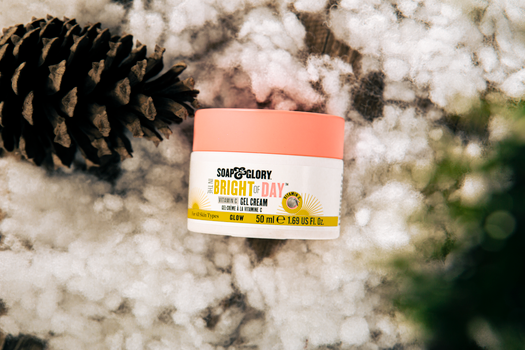 Photo: Đậu Photograph / Pexels
 Photo: Ketut Subiyanto / Pexels